Top Trusted Fancy Plywood Manufacturers & Factory Serving the Konya Market
A technical sourcing guide for Konya furniture factories, joinery contractors, and importers comparing veneer-faced plywood suppliers by veneer consistency, emission control, dry-climate stability, mixed-container flexibility, and delivered cost to Konya.
Eight Factory-Direct Products for Konya Buyers
Fancy plywood is rarely purchased in isolation by serious Konya buyers. Furniture factories, joinery workshops, and contractors usually need a coordinated package: decorative veneer faces for visible surfaces, raw MDF/HDF for substrates and CNC work, moisture-resistant boards for utility areas, WPC cladding for feature walls, and H20 beams for concrete formwork. The eight products below can be reviewed together with a fancy plywood quotation to reduce supplier complexity and container planning risk.
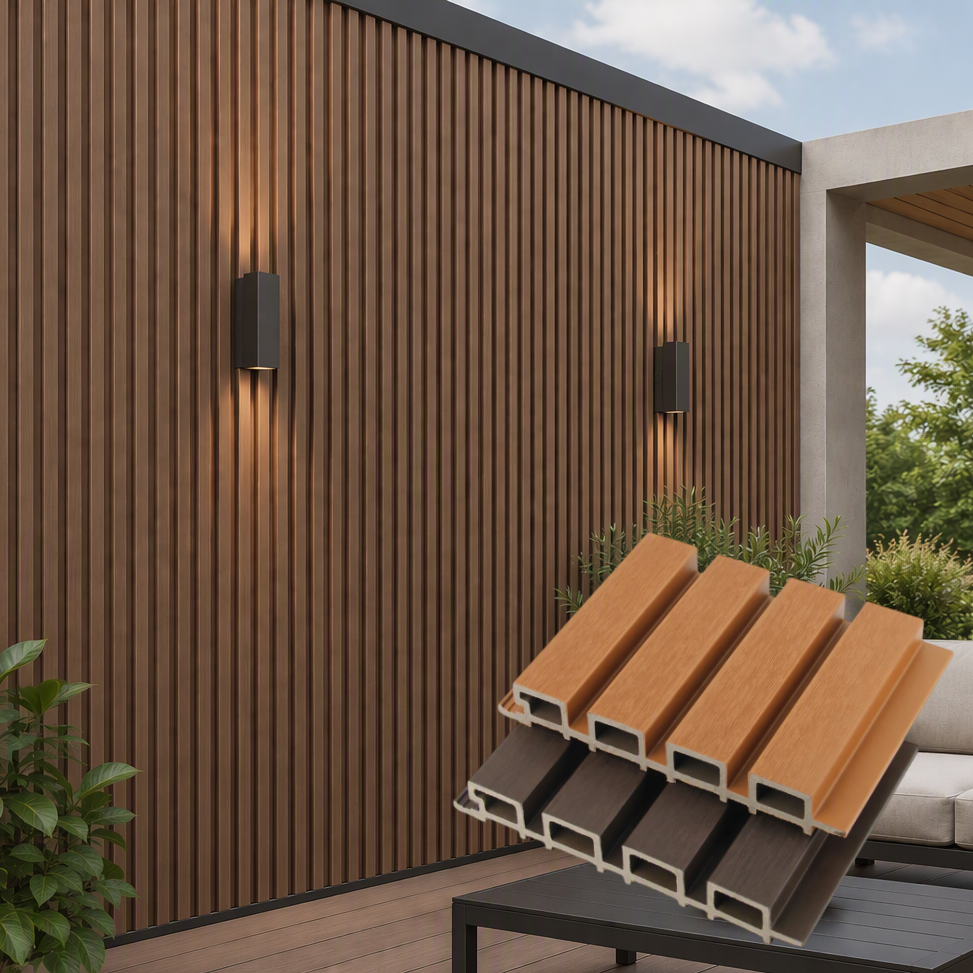
New Style Outdoor WPC Wall Cladding Panels Waterproof Villa Textured Co-Extruded Fluted Facade
Waterproof co-extruded fluted facade panels for hospitality, retail, and residential exteriors. Useful for Konya projects that combine premium interior fancy plywood with low-maintenance exterior cladding.
View product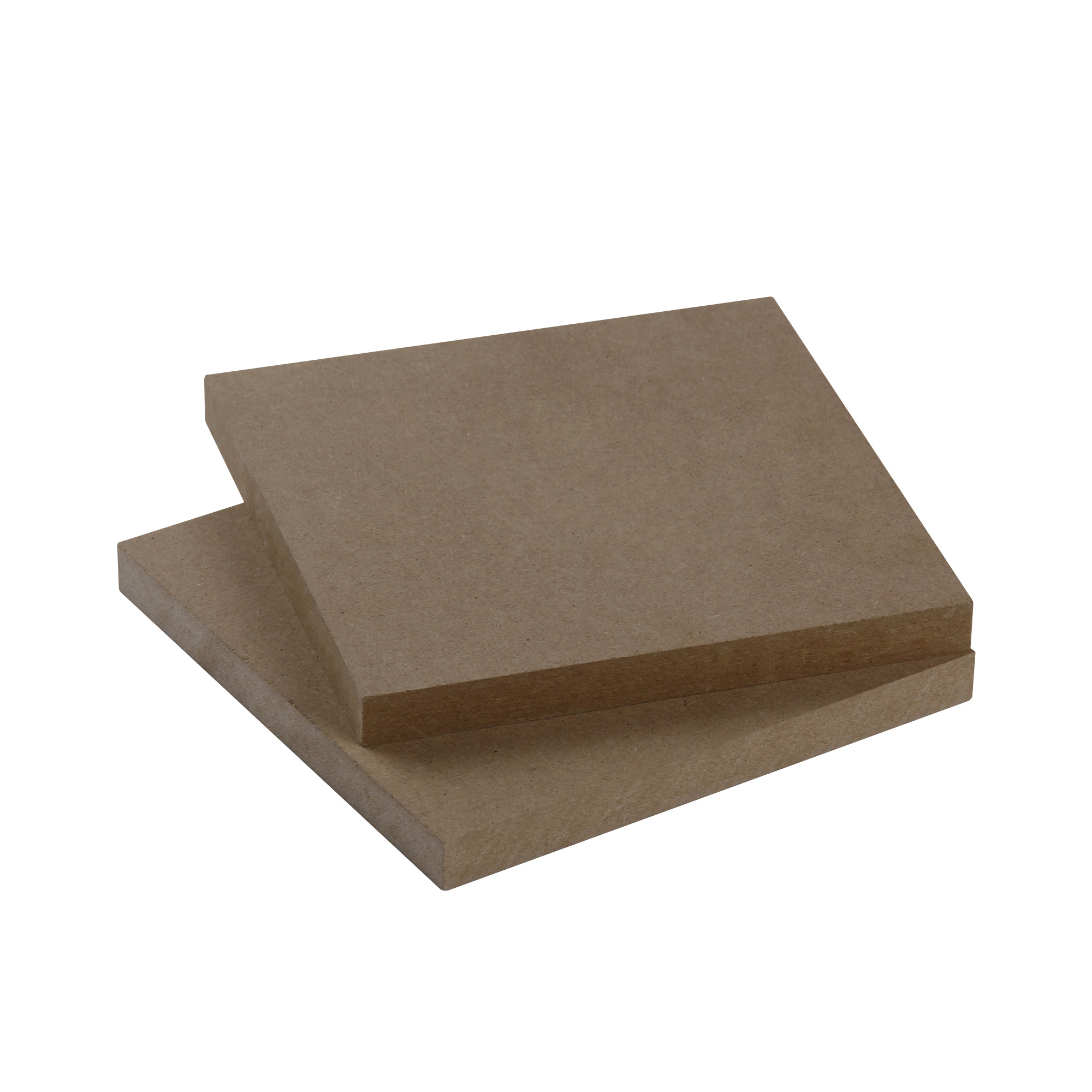
Dexin First-Class Plain Particle Board & MDF Wood Board E2 Emission Moisture-Proof for Bangladesh
First-class plain particle board and MDF for dry interior cores, shop fitting, and value-engineered furniture programmes. Confirm E1/E0 alternatives where your Konya customer or final export market requires a lower emission class.
View product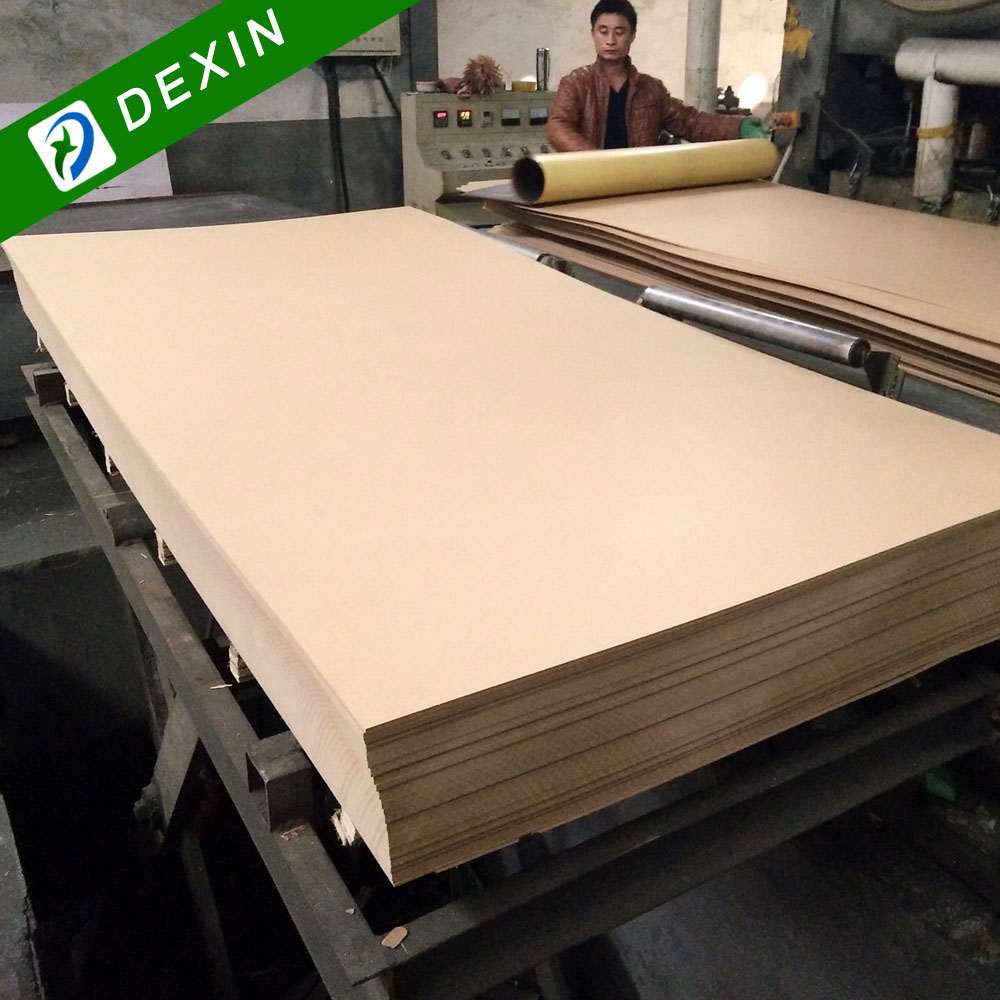
Factory Directly Sale Plain Mdf 12mm 15mm 18mm Raw HDF Board
Raw MDF and HDF boards for veneering, laminating, painting, and CNC routing. A practical companion product when Konya buyers need both fancy plywood faces and reliable substrate in one container plan.
View product
Customized Length Water Resistant Spruce Wooden H20 Timber Beam with 80x200mm for Concrete Formwork System
Water-resistant spruce H20 timber beams for concrete formwork systems. Relevant where Konya contractors prefer a single sourcing channel for interior panel packages and structural site materials.
View product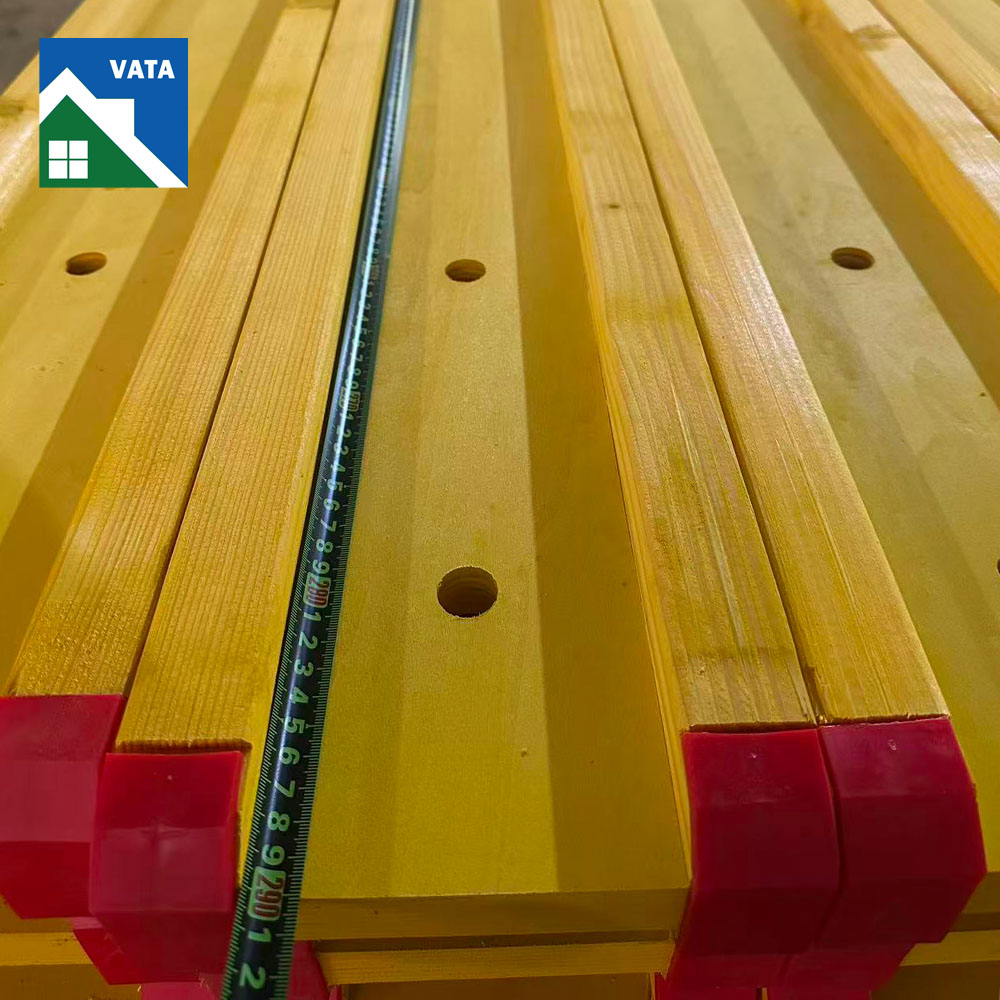
Custom Exterior Use Stable Timber Formwork Beams with WBP Glue Pine or Spruce Flange for Wall Formwork
Stable timber formwork beams with WBP glue and pine or spruce flanges for exterior wall formwork. Designed for buyers who need predictable reuse and proper packing across inland delivery routes.
View product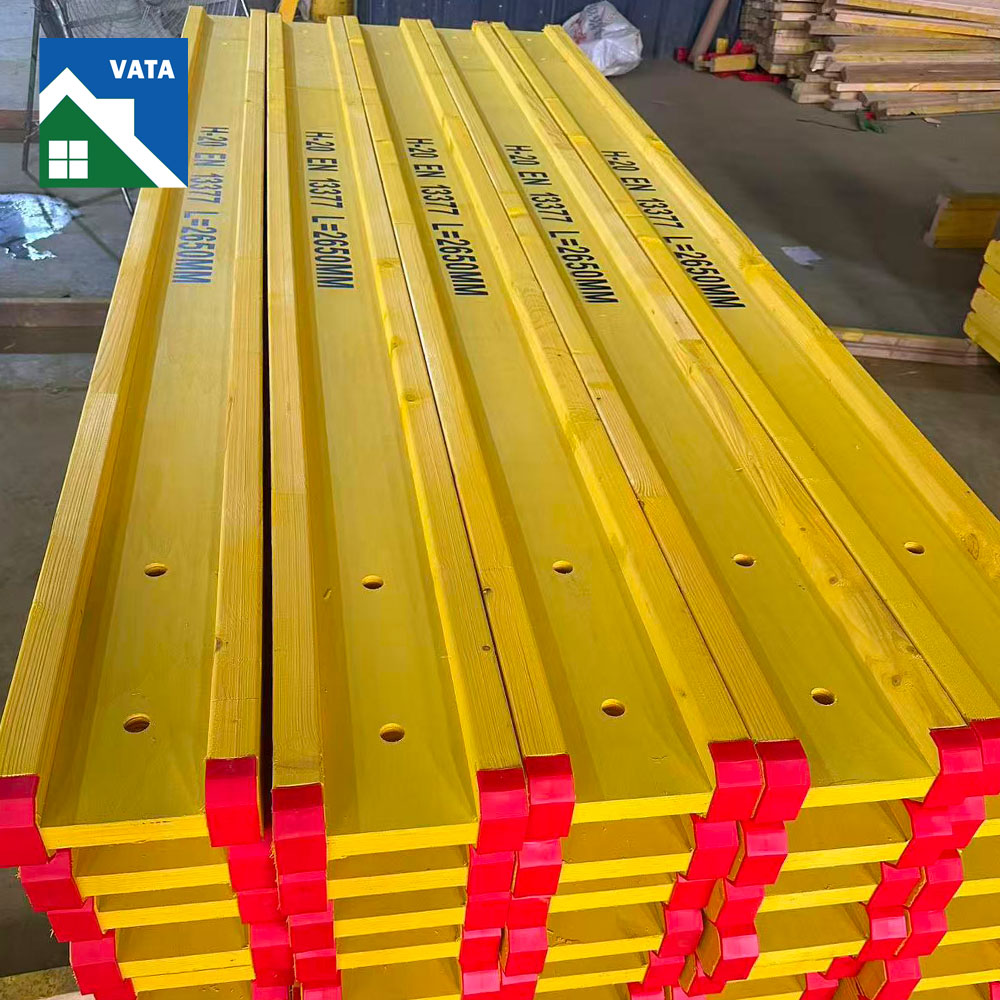
Factory Direct High Strength H20 Timber Beam Waterproof LVL Structural I Beams for Concrete Formwork
High-strength H20 LVL structural I-beams for demanding concrete formwork. A stronger option for contractors who prioritise dimensional stability and waterproof performance on repeated site use.
View product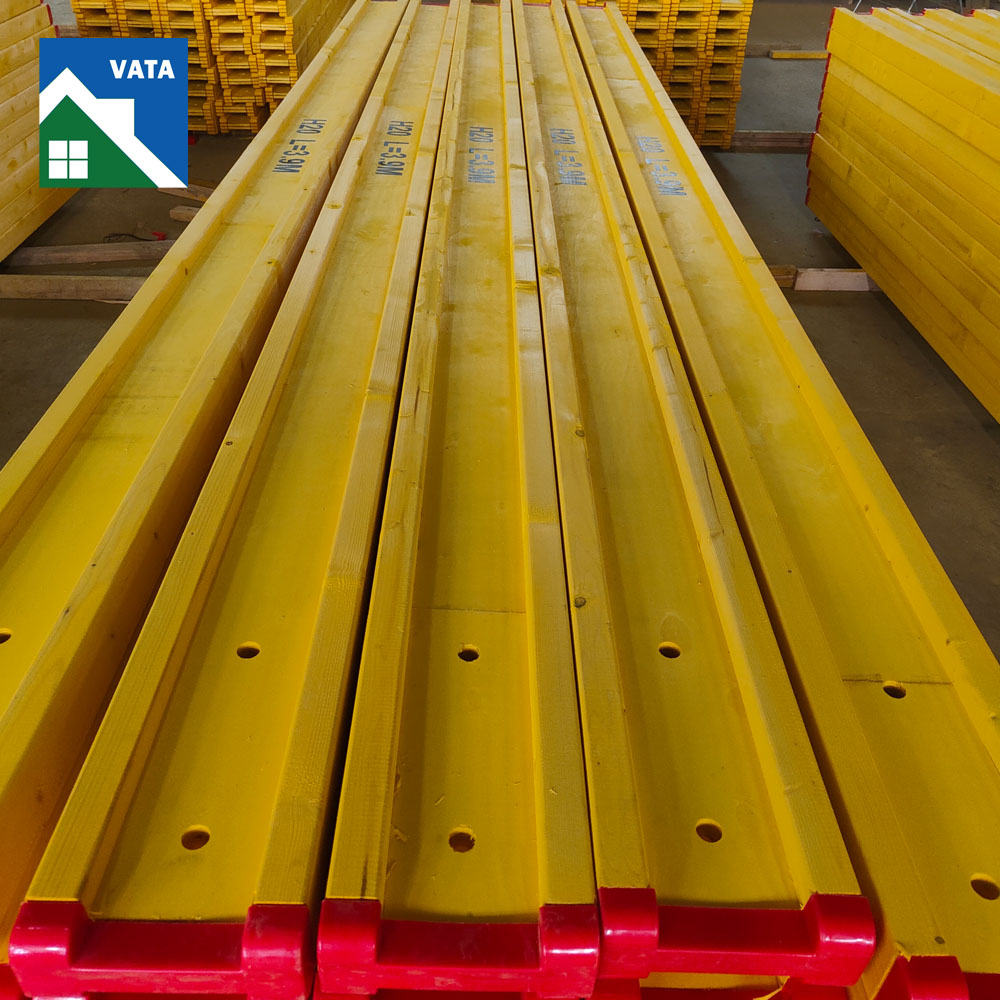
Manufacturer Reusable Yellow Painted H20 Wooden Formwork Beam with Plastic End Caps for Construction Building Projects
Reusable yellow-painted H20 wooden formwork beams with plastic end caps for construction projects. End caps and coating help protect beam ends during handling, storage, and inland transport.
View product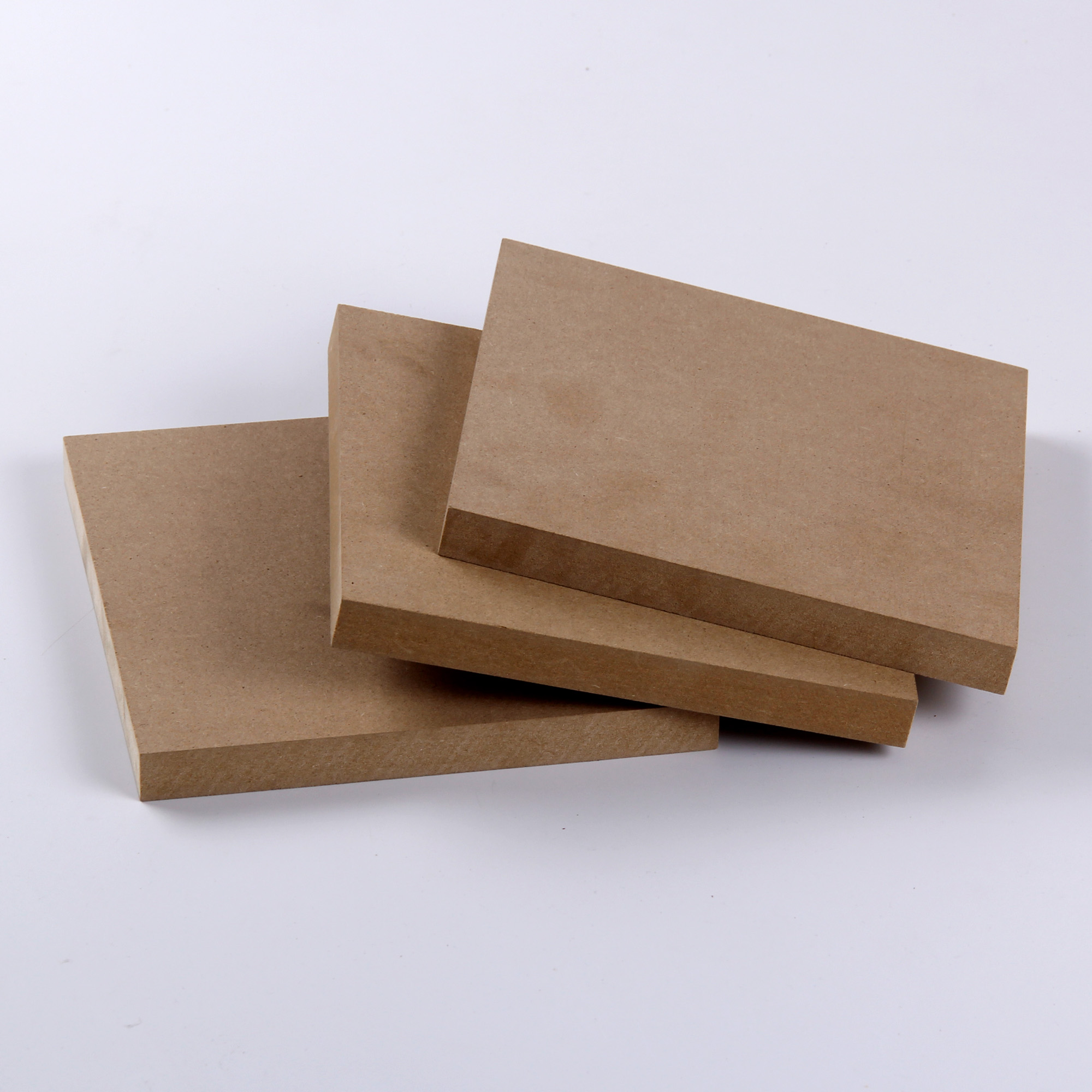
Factory Standard Size with Thickness of 5mm, 6mm, 8mm, 9mm, 18mm Raw MDF/HDF Board
Raw MDF/HDF in commonly requested factory thicknesses for mixed containers, sample rooms, and fast-moving furniture production. Ideal for Konya buyers building a repeatable substrate inventory.
View productWhat Konya Buyers Really Mean When They Search for “Trusted Fancy Plywood Manufacturers”
Most buyers searching for a trusted fancy plywood manufacturer or factory serving the Konya market are not simply looking for the lowest price per sheet. They are trying to reduce finish risk. A Konya cabinet maker needs veneer faces that match across a production run. A joinery contractor needs boards that machine cleanly, accept lacquer or UV finish, and stay flat after installation. An importer needs documentation that satisfies the buyer, the customs broker, and the final project specification. These risks explain why veneer consistency, emission grade, moisture content, glue type, packing quality, and batch traceability matter more than a catalogue photograph.
Konya is an inland manufacturing city with a strong furniture, woodworking, joinery, construction, and engineering base. Its dry continental climate, with hot summers and cold winters, creates a different performance profile from coastal Turkish cities. Boards may be exposed to dry heated interiors in winter and warm, dusty conditions in summer. When fancy plywood is not properly balanced or acclimatised before machining, visible veneer faces can telegraph substrate defects, show edge checking, or develop joint gaps after installation. A factory that understands these conditions will discuss veneer grade, core construction, glue line, moisture content, stacking, and edge sealing before the order is placed.
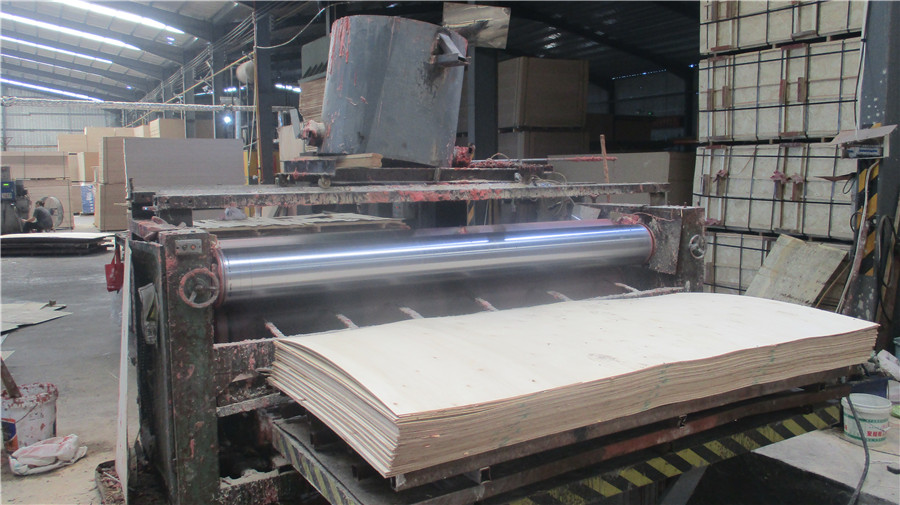
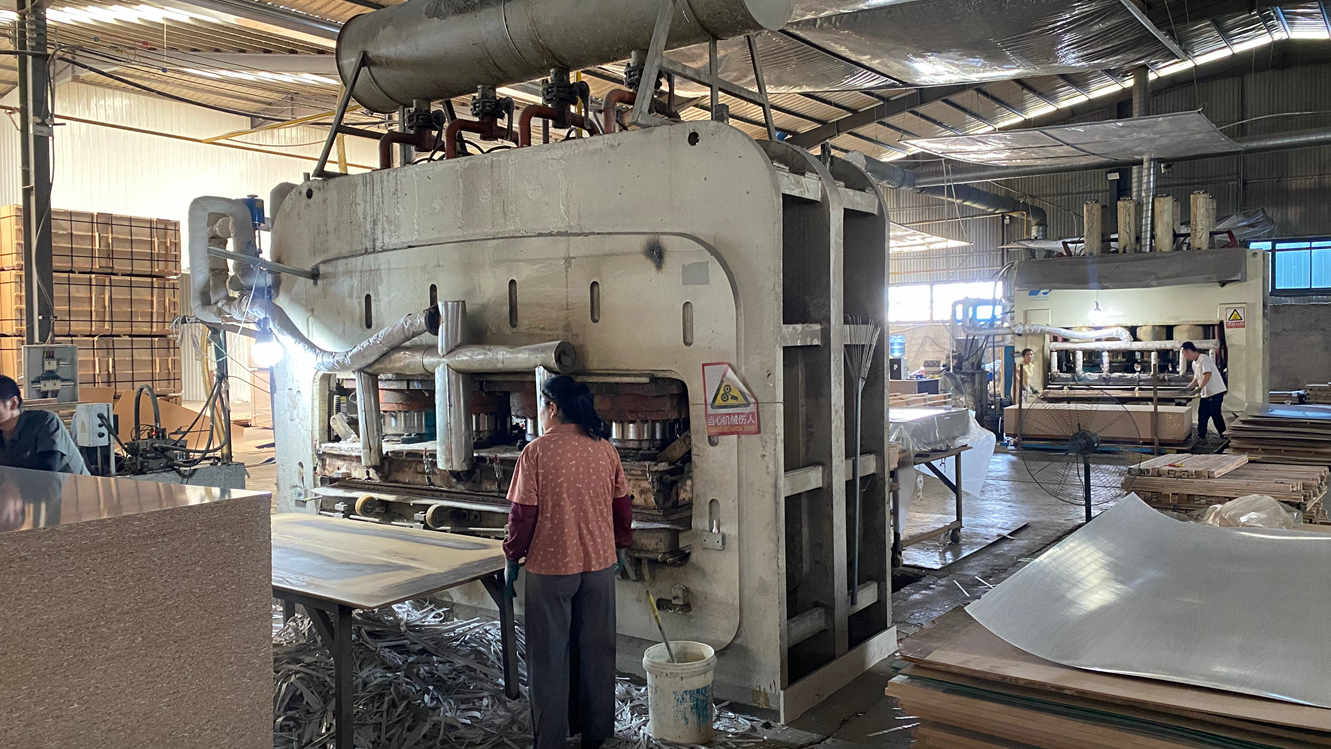
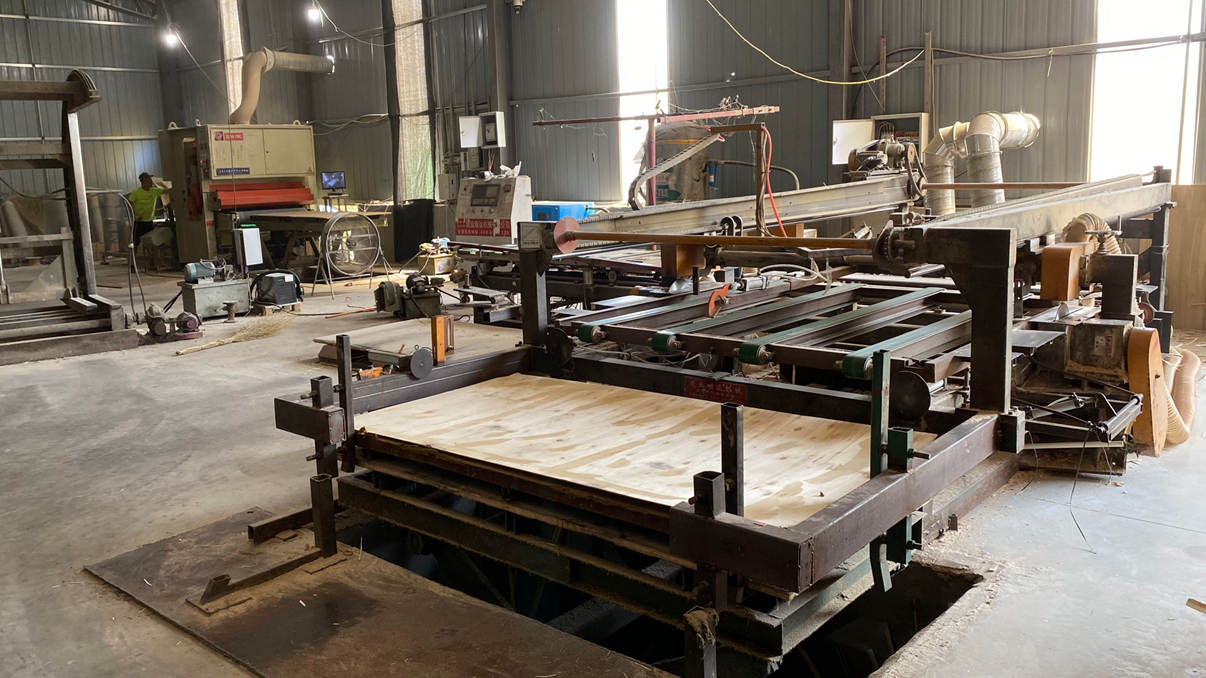
That is why this Konya-focused guide is structured around verifiable factory evidence rather than advertising language. KUDE’s manufacturing group has operated since 1998 in Linyi, Shandong, China’s largest wood-based panel production cluster. The group runs more than 30 sets of production machines across 30,000 m² of workshops, employs over 300 workers, and produces around 60,000 m³ of plywood, blockboard, MDF, and particle board annually. For buyers, the practical value is not just capacity. It is the ability to combine fancy plywood with substrate boards, decorative wall panels, and formwork products while keeping quality control, export packing, and documentation under one factory-direct team.
Konya buyer due-diligence checklist
- Confirm veneer species, face grade, cut, and colour tolerance before sampling.
- Specify MR or WBP glue according to dry interior, kitchen, bathroom, or project use.
- Match E1 or E0 emission requirements to the final customer and destination market.
- Ask for thickness tolerance, moisture content, and edge-sealing details in writing.
- Request batch photos, loading photos, and live video inspection before shipment.
- Plan mixed-container loading with MDF, HDF, WPC, or H20 beams where needed.
Four Trust Filters That Separate a Factory from a Catalogue Seller
For Konya importers, the strongest supplier is the one that can prove process control, not just list products. These four filters reflect what experienced buyers usually test during sampling and first-order validation.
Veneer Consistency
Fancy plywood is judged at the surface. Ask how face veneer is graded, how colour is matched, and how sequential sheets are packed. For hotel, retail, and wardrobe projects, batch-to-batch consistency matters more than a single perfect sample.
Climate-Ready Construction
Konya’s dry continental climate rewards balanced construction and controlled moisture. Specify core type, glue line, pressing, sanding tolerance, and stacking method so the boards remain stable through machining, finishing, and installation.
Verifiable Compliance
CE, ISO 9001, ISO 14001, FSC, and CARB credentials, plus E0/E1/E2 emission options, should be supported by documents. For furniture exported from Turkey to stricter markets, FSC and CARB documentation can become a commercial advantage.
Export-Ready Flexibility
MOQ typically ranges from 50 to 500 sheets depending on the product line. Several products can be combined in one container after specification approval, with T/T or L/C payment and FOB, CFR, CIF, or EXW terms.
Choosing the Right Fancy Plywood Build for Konya Projects
Fancy plywood is a decorative veneered plywood, not a melamine paper board. The visible face is natural wood veneer, so selection should start with the final visual effect and then work backward to substrate, glue, thickness, and finishing method.
| Konya application | Suggested fancy plywood build | Veneer direction | Glue / emission | Why it fits |
|---|---|---|---|---|
| Kitchen and bathroom cabinet fronts | 5–18 mm veneered plywood with sealed edges and balanced reverse face | Oak, ash, walnut, or engineered veneer with controlled colour range | WBP glue; E1 or E0 where specified | Better resistance to occasional humidity and cleaning cycles than dry-use-only constructions. |
| Wardrobes and bedroom furniture | 3–9 mm decorative faces over MDF/particle board, or 9–18 mm self-supporting panels | Ash, oak, cherry, maple, or walnut for warm interior tones | MR glue; E1 as standard, E0 available | Stable in Konya’s dry heated interiors when boards are acclimatised and edges are sealed. |
| Hotel, office, and retail fit-out | 9–18 mm architectural-grade fancy plywood with sequential veneer packing | Walnut, oak, ash, or dark exotic faces for feature walls and reception counters | MR or WBP; E1 / E0 | Long-run colour matching and tight joint control are critical in contract interiors. |
| Doors, panels, and joinery | 5–18 mm veneered plywood with consistent thickness and clean machining | Oak, cherry, maple, or sapele-style faces depending on project design | WBP for wet areas; MR for dry interiors | Supports router work, edge detailing, lacquer, and natural-oil finishing. |
| Sample rooms and mixed containers | Small-batch fancy plywood plus raw MDF/HDF and WPC wall panel samples | Multi-species veneer set for Konya showroom presentations | E1 / E0 options documented by batch | Lets distributors test market demand before committing to repeat container volumes. |
Final thickness, glue, emission class, veneer grade, and packing must be confirmed against the purchase specification and destination requirements. Values above are typical selection guidance, not a substitute for order-specific approval.
Where Fancy Plywood Creates the Most Value in Konya
Kitchen and Wardrobe Manufacturing
Konya’s furniture workshops need decorative faces that match across cabinet doors, drawer fronts, and visible side panels. Fancy plywood offers a natural wood appearance without the handling limitations of thin solid veneer on site.
Contract Furniture Projects
Hotels, student housing, clinics, and offices require repeatable colour and reliable delivery. Sequential veneer packing and factory batch photos reduce the risk of visible shade differences between rooms or floors.
Retail and Commercial Joinery
Reception counters, display fixtures, wall panels, and door surrounds benefit from veneer faces that accept lacquer, stain, and protective coatings while holding crisp edges after CNC machining.
Mixed Interior and Site Packages
Importers can combine fancy plywood with raw MDF/HDF, WPC cladding, and H20 formwork beams. This simplifies supplier management and helps fill containers with products that serve both interior and construction customers.
Konya Market Trends Reshaping Decorative Panel Demand
Konya buyers are becoming more specification-led. The strongest growth is not simply in cheaper boards, but in suppliers who can document performance, match decorative faces, and support mixed-product sourcing.
Natural Veneer Returns in Premium Work
As Konya furniture makers compete for higher-value residential and hospitality projects, natural oak, walnut, ash, and cherry looks are being used to differentiate cabinetry and feature walls from standard paper-laminated boards.
Vendor Consolidation
Importers prefer a factory that can supply fancy plywood alongside MDF/HDF, WPC cladding, and formwork beams. Mixed containers reduce administrative load, improve freight utilisation, and simplify quality follow-up.
Compliance Becomes Project-Specific
E1 emission is widely referenced, while E0, FSC, and CARB documentation are increasingly requested when finished furniture is exported. Buyers now ask for test reports and batch traceability before confirming repeat orders.
Inland Logistics Discipline
Konya’s inland position makes packing and port-to-door planning important. Many buyers route sea freight through Mersin or other Turkish ports and then arrange truck or rail delivery, so corner protection and moisture-resistant export packing matter.
Why KUDE Is a Practical Fancy Plywood Partner for Konya Importers
KUDE is the export platform of a wood-based panel manufacturing group founded in 1998 in Linyi, Shandong, China’s largest man-made board production base. Being inside this cluster supports shorter supply chains for veneer, glue, and core materials, and gives buyers a more stable base for repeat orders than working through layers of unknown intermediaries.
The group operates more than 30 sets of production machines in 30,000 m² of workshops. With over 300 workers and annual output of 60,000 m³ of plywood, blockboard, MDF, and particle board, KUDE can support both sample-level development and repeat container supply. The company principle, survival by quality, development by prestige, is reflected in the way orders are handled: specification confirmation first, sample or batch evidence second, then packing and loading control.
KUDE holds CE, ISO 9001, ISO 14001, FSC, and CARB credentials, and the supplier profile has passed an on-site assessment by SGS. Formaldehyde grades E0, E1, and E2 are available depending on the product. For Konya buyers, this matters in two ways. First, a Turkish furniture producer can align documentation with domestic customer expectations. Second, an exporter based in Konya can use FSC and CARB evidence when selling finished furniture into markets that ask for stricter environmental documentation.
Customisation is another practical advantage. KUDE supports sample-based, design-based, and full customisation covering size, thickness, core species, face veneer or decor, glue type, logo printing, and export packaging. MOQ typically ranges from 50 to 500 sheets depending on the product line. Several products can be combined in one container after specification confirmation, and the export team works with T/T and L/C payment in USD, EUR, or CNY under FOB, CFR, CIF, and EXW terms. For risk control, buyers can request live video inspection of their own batch before shipment, in addition to the verified factory video available on the company profile.
Most importantly, KUDE understands that fancy plywood is a finish-critical product. A container of boards can meet thickness and glue specifications yet still fail commercially if veneer colour is inconsistent or packing allows edge damage. That is why the sales process should include veneer grade confirmation, reference photos, batch approval, packing details, and loading evidence. For Konya buyers, this is the information gain that separates a reliable factory relationship from a one-off price quotation.
Factory capability at a glance
Key facts buyers can verify during supplier qualification.
- Manufacturing group founded in 1998 in Linyi, Shandong.
- 30+ production machine sets in 30,000 m² of workshops.
- 300+ workers and 60,000 m³ annual panel output.
- 20+ years production experience and 15 years export experience.
- CE, ISO 9001, ISO 14001, FSC, and CARB credentials.
- SGS on-site assessed supplier profile.
- E0, E1, and E2 formaldehyde grades by product.
- OEM/ODM, custom size, face, core, glue, logo, and packing.
- MOQ from 50 to 500 sheets; mixed-container options.
- T/T and L/C; FOB, CFR, CIF, and EXW trade terms.





Common Questions from Konya Fancy Plywood Buyers
These are the practical issues that usually decide whether a first sample order becomes a repeat container programme.
What is the best fancy plywood specification for Konya’s dry continental climate?
Which veneer species are most requested by Konya furniture makers?
How should we control formaldehyde and document compliance for Turkey?
What is the typical MOQ and can fancy plywood be mixed with other products?
How long does production and shipping to Konya usually take?
Can you match veneer colour and grain across repeat orders?
Do you provide samples and live production inspection?
How can we reduce damage during inland delivery to Konya?
Send Your Fancy Plywood Specification for a Konya-Ready Quotation
Share veneer species, size, thickness, core type, glue, emission grade, target quantity, and whether you want a mixed container with MDF/HDF, WPC cladding, or H20 formwork beams. The export team will respond with a technical proposal, packing plan, certification checklist, and practical advice for delivery to Konya.