Top Trusted Melamine Particle Board Supplier & Exporter serving the Bologna Market
Factory-direct melamine particle board, moisture-resistant MDF and fitted-furniture panel solutions for Bologna’s furniture makers, contract fit-out teams and importers—supported by documented quality, FSC options and export packing designed for Italian warehouses.
Contact UsEight Factory-Direct Panel Lines for Bologna Buyers
Most Bologna enquiries start with melamine particle board, then expand into a mixed container as fabricators compare substrates, decors and delivery schedules. The eight product families below are the lines most often requested alongside our melamine-faced board programme. Every link below is preserved for direct specification review.
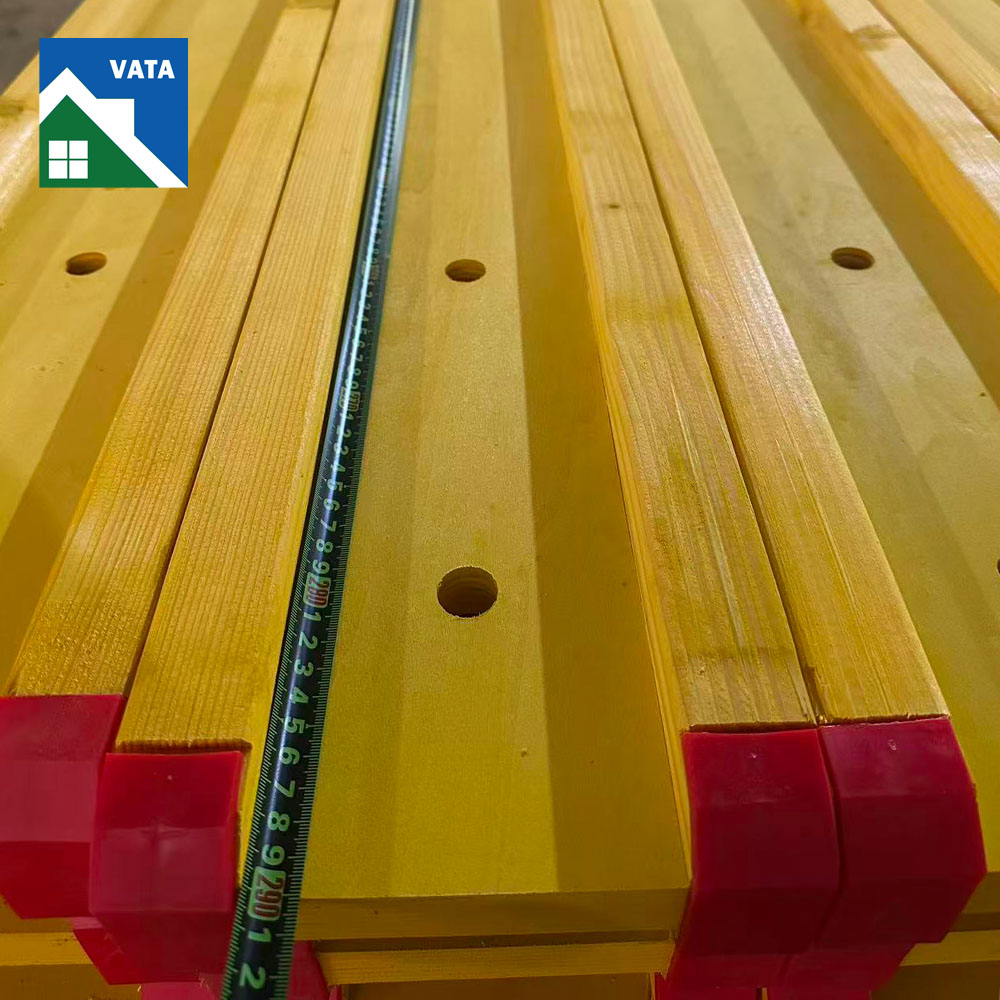
Custom Exterior Use Stable Timber Formwork Beams
Pine or spruce flange beams with WBP glue for exterior wall formwork. A practical add-on when a Bologna contractor needs concrete frames and furniture-grade panels in one export plan.
View product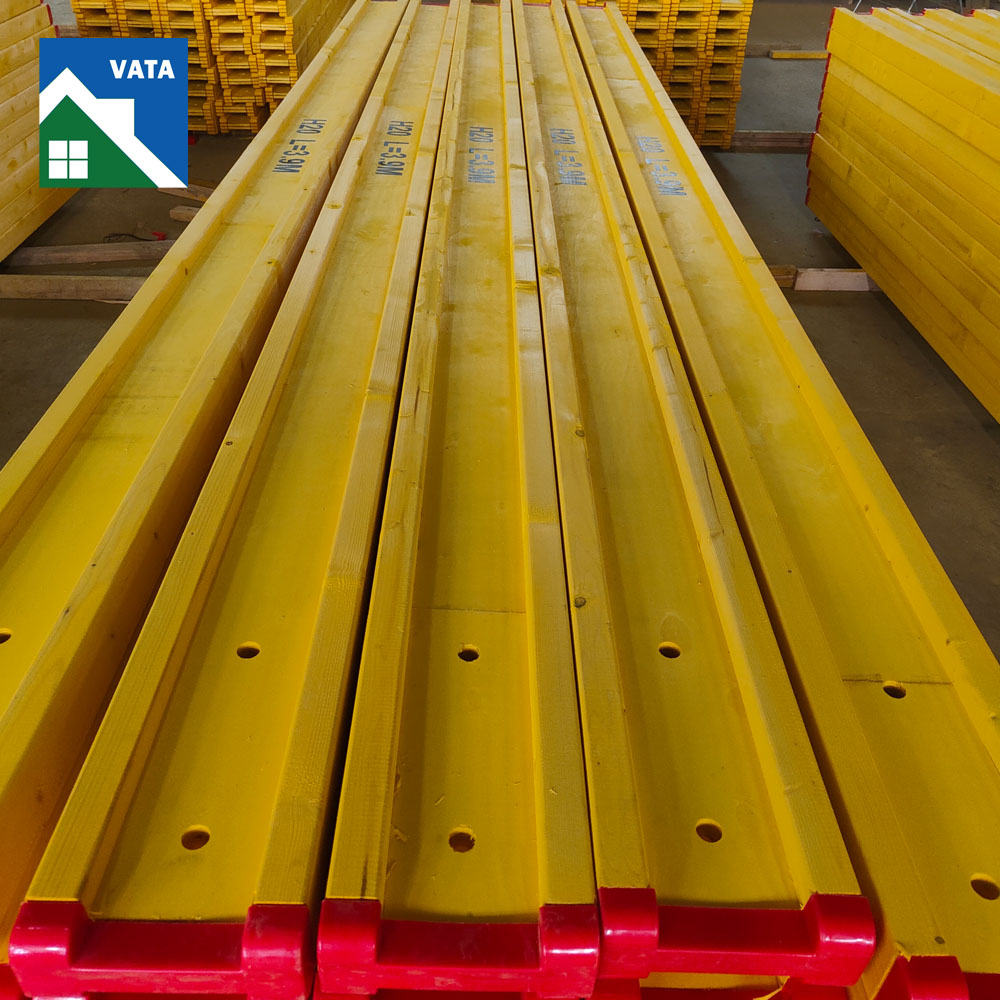
Manufacturer Reusable Yellow Painted H20 Wooden Formwork Beam
H20 beam with plastic end caps and painted finish for repeated construction cycles. Useful where Bologna site teams need predictable dimensions and lower replacement waste.
View product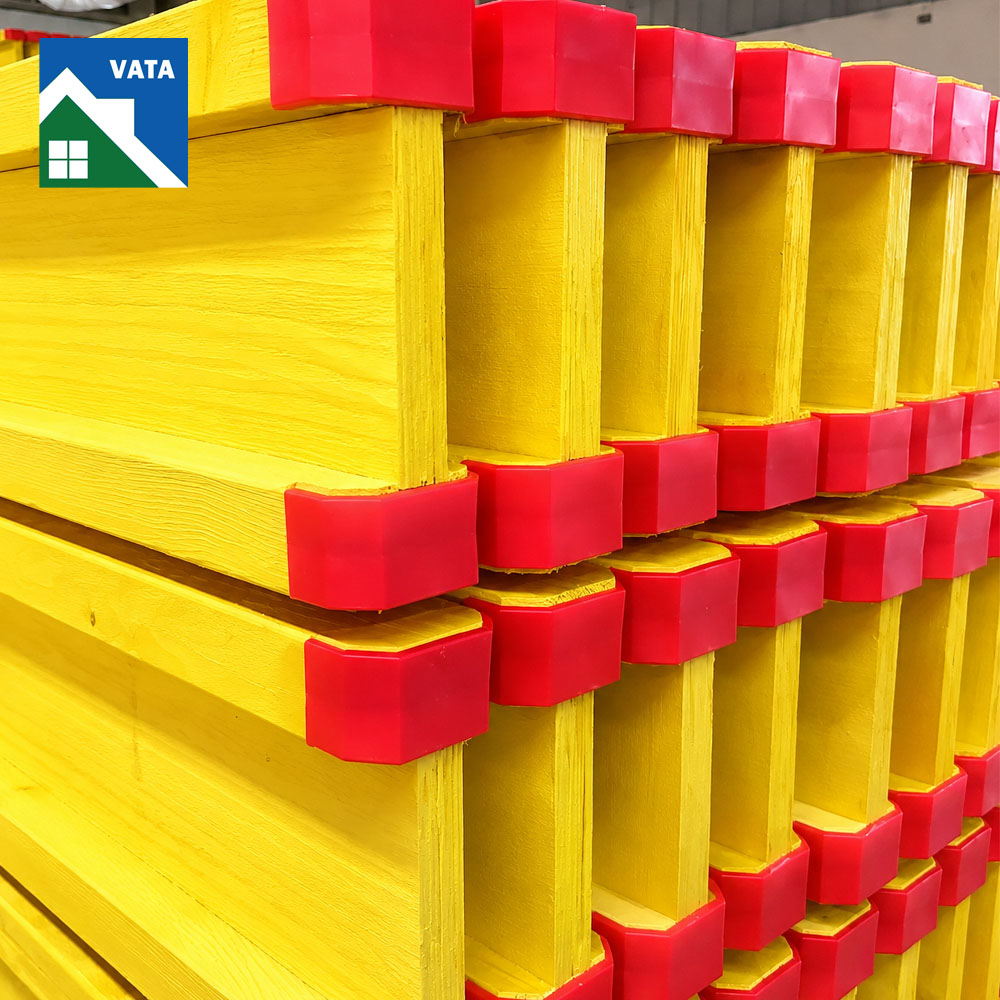
Wholesale Heavy Duty Wooden I-Beams Durable Spruce H20 Formwork Beams
Durable spruce H20 beams for slab formwork and modular support. A sensible enquiry item for contractors comparing local timber costs against factory-direct supply.
View product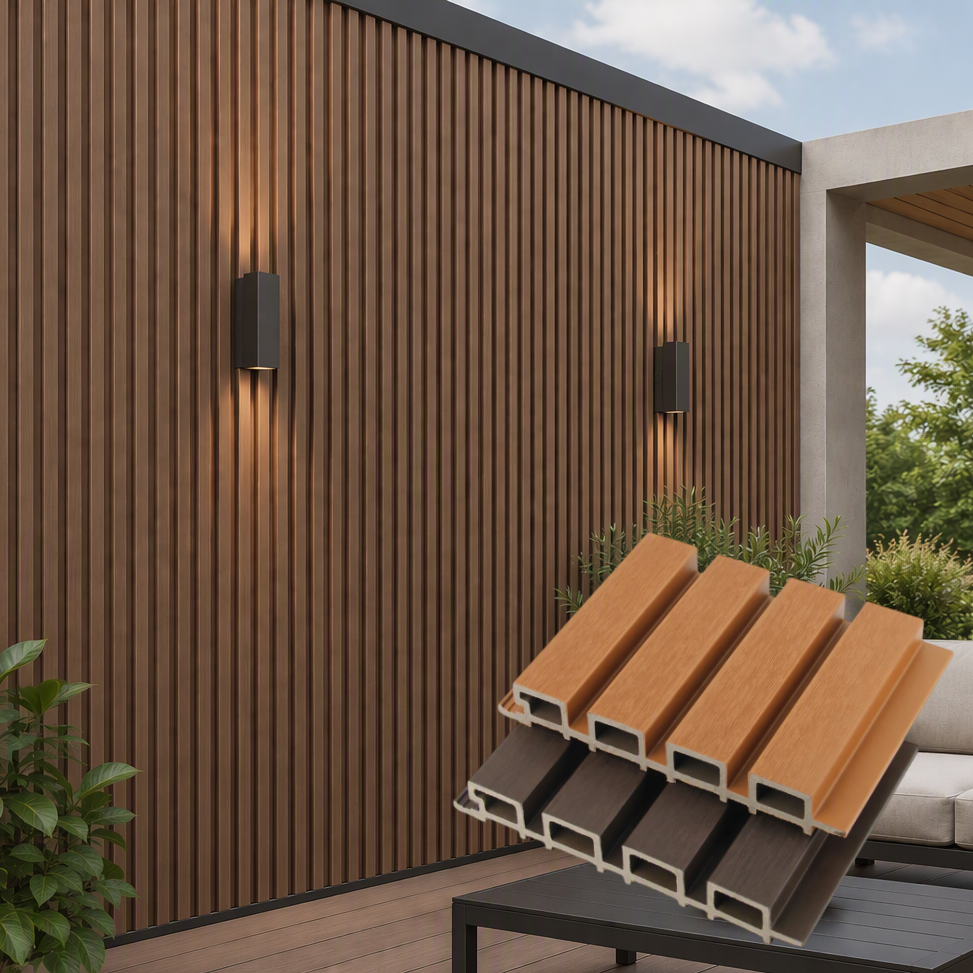
New Style Outdoor WPC Wall Cladding Panels
Co-extruded fluted façade panels with wood-texture options for villa renovations, hospitality exteriors and low-maintenance feature walls.
View product
1220x2440mm, 1525x2440mm, 1830x2440mm Plain MDF/HDF Board
Green, red and black core MDF/HDF in multiple sheet sizes for joinery, routing, cabinetry and painted components. Specify E1 and moisture-resistant variants where required.
View product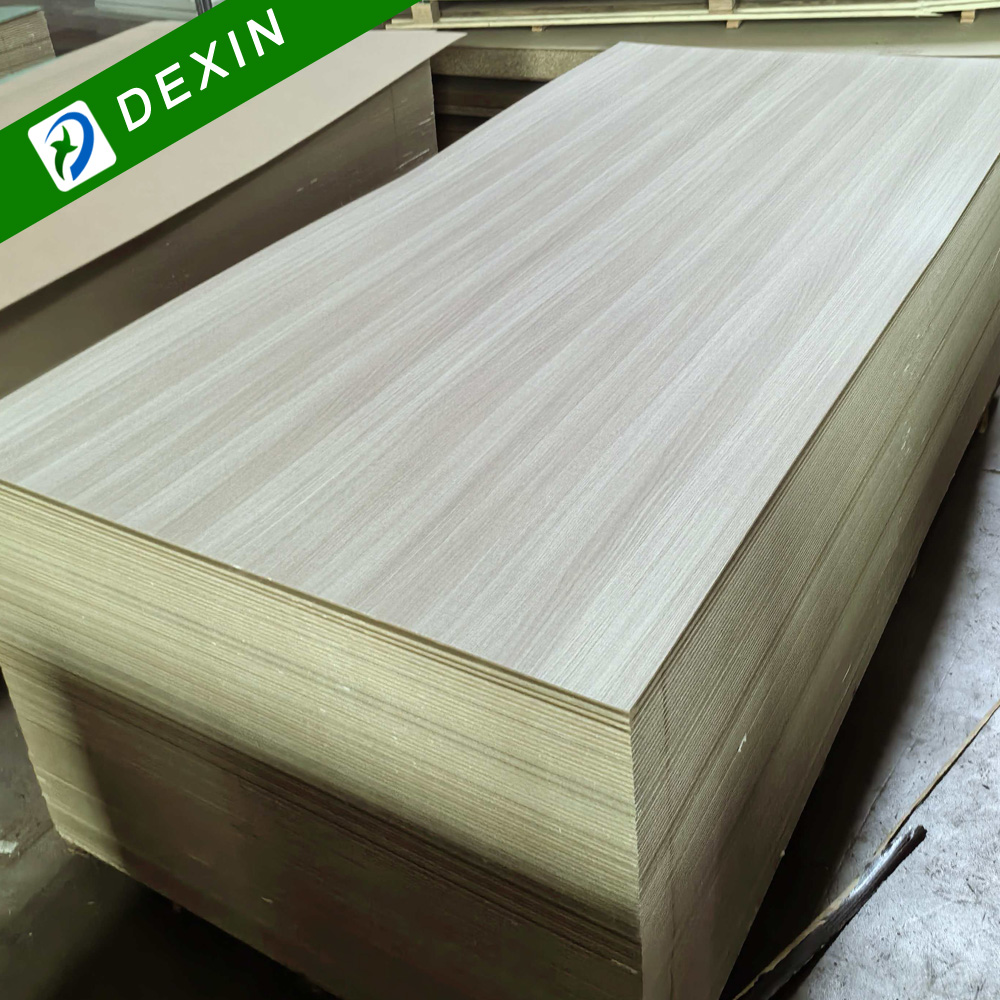
Moisture Resistant Melamine MDF Panels 1220x2440mm
White textured melamine MDF in 4mm to 18mm for kitchen, bathroom and wardrobe components. A direct complement to melamine particle board orders where routing and edge quality matter.
View product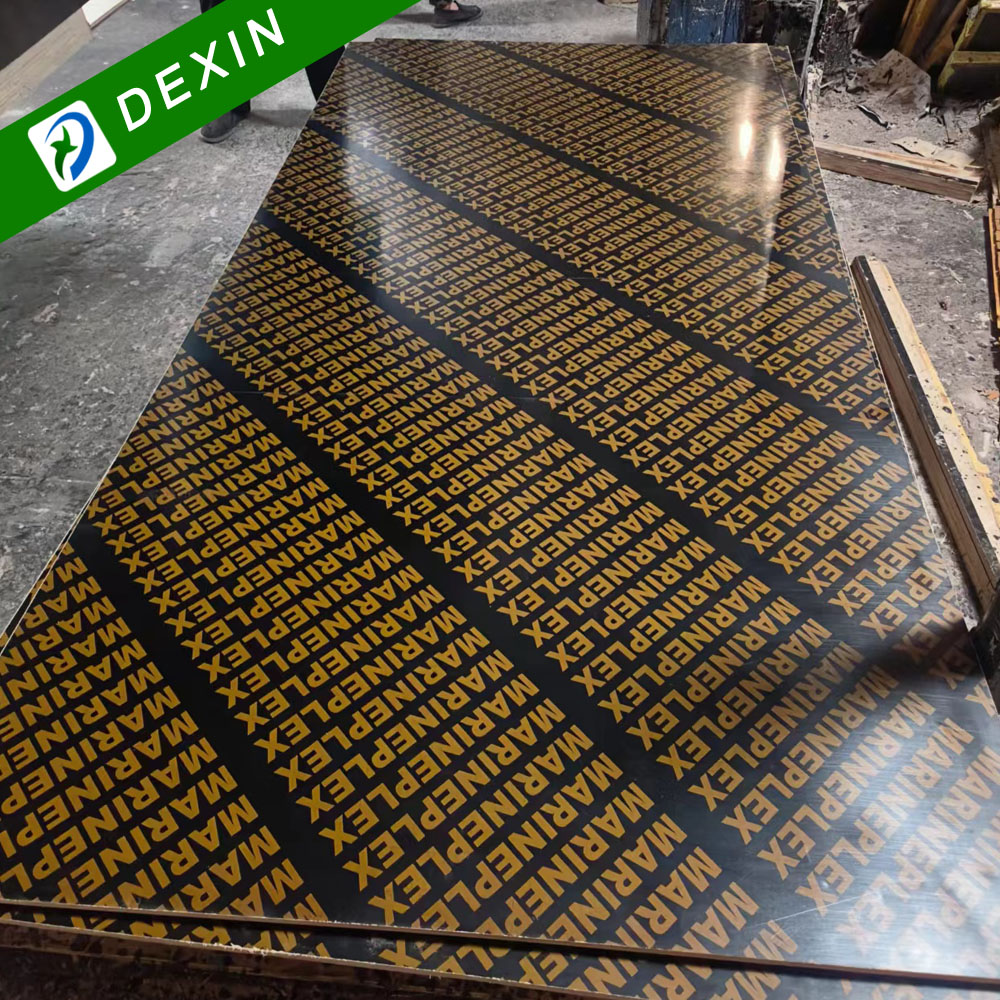
1220*2440*15mm / 9mm / 12mm / 18mm Film Faced Plywood
Film-faced marine plywood for concrete formwork and construction sites. Keep this family separate from furniture boards: it is a structural forming material, not a decorative carcass panel.
View product
1200x2400x18mm Melamine Coated Plywood for Furniture
Melamine-coated marine plywood with custom thickness options for furniture applications that need more moisture tolerance and screw-holding than standard chipboard.
View productNeed a dedicated melamine particle board quotation? Send thickness, decor, formaldehyde class, sheet size, edge-banding requirement and Bologna delivery schedule. We will reply with a specification-matched offer and container loading plan.
Contact UsWhere Melamine Particle Board Fits in Bologna’s Built Environment
Bologna is not a generic panel market. The city combines a strong design culture, a dense stock of older buildings, a large student population and a contract-furniture supply chain serving hotels, education, healthcare and retail. That mix changes what a supplier must prove.
Kitchens, wardrobes & cabinetry
Melamine particle board—often called truciolare melaminico or nobilitato in Italian procurement—is widely used for visible, non-structural cabinet carcasses, shelving, wardrobe internals and fitted storage. Stable 18mm board, matched edge banding and clean drilling are more important than a low headline price.
Contract & hospitality fit-outs
Hotel casegoods, student housing, reception desks and serviced apartments need repeatable decors across phases. Bologna contractors usually ask for a master sample, batch photos and a packaging standard that avoids damaged corners on site.
Retail, office & education
Shelving, lockers, workstations and classroom furniture benefit from consistent thickness tolerance and clean screw-holding. For high-traffic interiors, specify moisture-resistant grades near splash zones and confirm the load-bearing requirement with the furniture engineer.
Renovation & adaptive reuse
Bologna’s historic centre and post-war housing stock create steady interior refit demand. Fitted furniture can solve awkward wall geometry, but edges, backs and service cut-outs must be sealed where humidity and old masonry are present.
Four Local Signals Shaping Panel Procurement
Bologna buyers are not only comparing euros per sheet. They are managing design approvals, installation speed, indoor-air quality and the risk of a container arriving with mismatched decor. The following trends appear repeatedly in Bologna-area enquiries and project briefs.
- Renovation-led demand: older apartments and commercial spaces need fitted furniture that can be installed quickly, with low site waste and predictable edge quality.
- Contract and student housing: repeatable furniture packages require decor consistency, durable surfaces and a supplier who can hold a production batch for later phases.
- Low-emission documentation: Italian buyers increasingly ask for E1 declarations, test reports and FSC chain-of-custody options before approving a board for interiors.
- Mixed containers and inland logistics: Bologna importers want a container plan that combines particle board, MDF and plywood, then moves inland from Italian ports without unnecessary handling.
Indicative Bologna Quote-Intent Signals
Indicative enquiry-theme signals from Bologna-area sourcing conversations, not an official statistical forecast.
How to Specify Melamine Particle Board for Bologna Projects
The most common sourcing error is treating every board as interchangeable. Use this practical reference to separate substrate, surface, emission and packaging decisions before requesting a quotation.
| Buyer decision | Practical specification for Bologna | Evidence to request |
|---|---|---|
| Core and application | Non-structural furniture and interior fit-out; match the particle board grade to load and moisture exposure. Do not use it as a substitute for structural plywood or formwork panels. | Product data sheet, intended-use statement and grade reference such as EN 312 where applicable. |
| Formaldehyde class | E1 is the baseline expectation for many Italian interior projects; confirm the declared class and test method before approving. Low-emission options should be quoted separately, not implied. | Batch-linked test report, declaration and consistency statement for the production run. |
| Moisture exposure | Use moisture-resistant particle board or MDF near sinks, splash zones and laundry areas. Seal edges, back faces and service cut-outs during fabrication. | Grade confirmation, edge-sealing recommendation and handling guidance for the installer. |
| Thickness and span | 18mm is common for cabinet carcasses; 25mm may be requested for shelves or worktops only after a span review. Custom sizes and thicknesses are available for OEM programmes. | Thickness tolerance, density range and loading guidance from the furniture engineer. |
| Melamine surface | Specify matt, gloss, woodgrain or stone-effect decor with a master sample. Reference EN 14322 where the buyer requires a defined melamine-faced board standard. | Master sample, decor code, batch photo and surface-performance data. |
| Chain of custody | Ask for FSC options and EU Timber Regulation due diligence information where the project requires documented sourcing. Keep species and origin consistent with the invoice and packing list. | FSC claim on request, supplier due-diligence records and invoice traceability. |
| Export packaging | Use pallets, corner protection, moisture barrier and steel strapping suitable for Italian warehouse handling and inland trucking from the port. | Packing specification, loading photos and container plan before shipment. |
Standards and grades must be confirmed against the final project specification and destination-market requirements. This guide is a procurement reference, not a substitute for a designer’s or engineer’s approval.

Why KUDE Is a Lower-Risk Source for Bologna Importers
Linyi KUDE International Trading Co., Ltd. is the export platform of a wood-based panel manufacturing group founded in 1998 in Linyi, Shandong, China’s largest wood-based panel production cluster. Being inside the cluster shortens the supply chain for veneer, glue, core materials and packaging, which helps keep specifications stable across repeat orders.
The group operates more than 30 sets of production machines in 30,000 m² of workshops, with over 300 workers and annual output of 60,000 m³ of plywood, blockboard, MDF and particle board. Our operating principle is straightforward: survival by quality, development by prestige. For Bologna buyers, that means a quotation is only useful when the board grade, decor, emission class and packing standard are written down and repeatable.
- 20+ years production experience
- 15 years of export experience
- SGS on-site assessed
- OEM / ODM and custom specs
- CE, ISO 9001, ISO 14001
- FSC and CARB options
- E0 / E1 / E2 grades
- T/T and L/C accepted
Own production depth
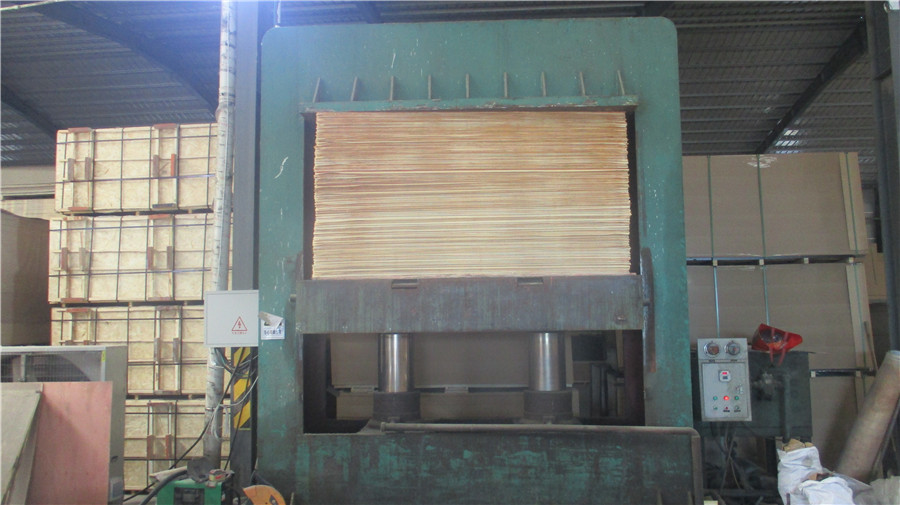
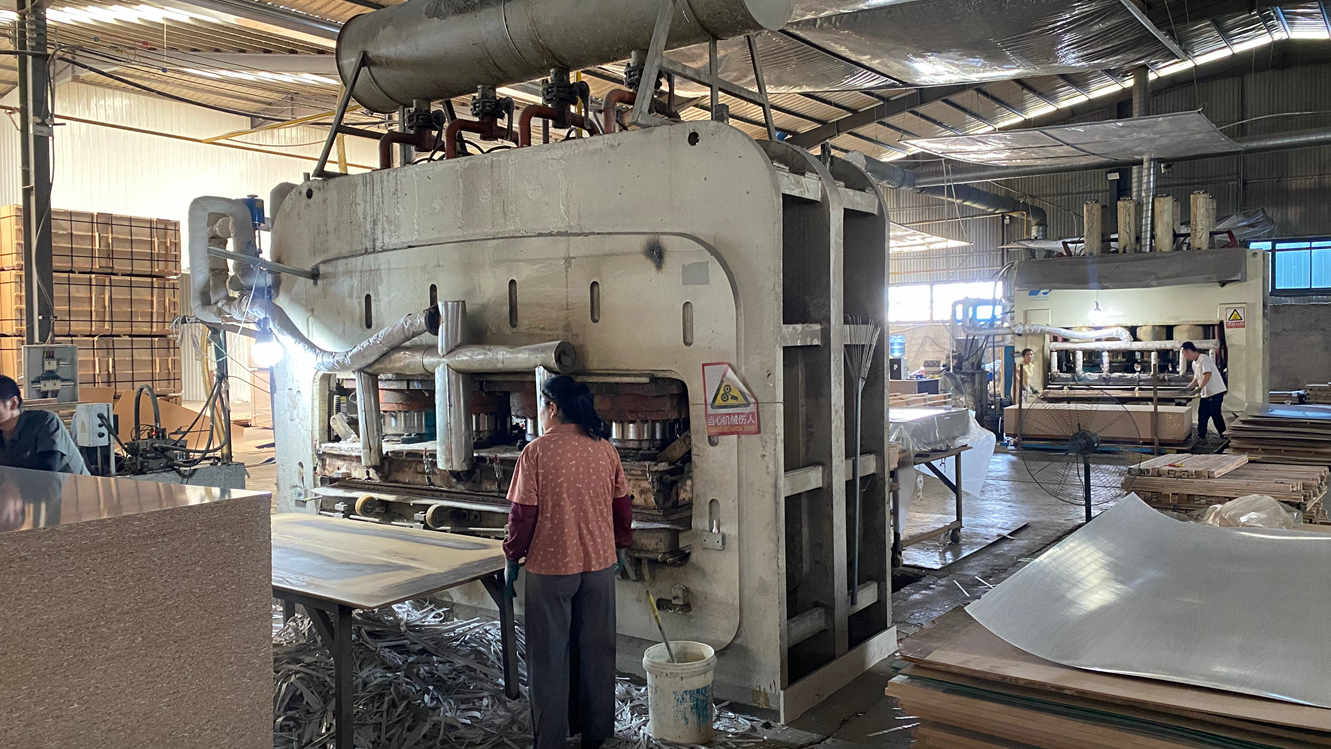
30+ machine sets covering peeling, gluing, hot pressing, sanding and laminating. Factory-direct control reduces middle-man markup and specification drift on core panel products.
Verified quality file
CE, ISO 9001, ISO 14001, FSC and CARB credentials, with E0, E1 and E2 grades available by product. We match the declaration to the destination market and the buyer’s approval process.
Flexible customization
Sample-based, design-based or full customization of size, thickness, core species, melamine decor, glue type, logo printing and export packaging. MOQ typically ranges from 50 to 500 sheets by product line.
Export-ready logistics
FOB, CFR, CIF and EXW terms; T/T and L/C payment in USD, EUR or CNY. Orders are loaded in containers through Qingdao and can be planned for onward delivery to Bologna via Italian ports.
Inside Our Linyi Production Base
Bologna buyers can request live video inspection, batch photos and loading images before shipment. Seeing the production and packing environment is part of reducing supply risk, not a marketing extra.




Questions Bologna Buyers Ask Before Ordering
These are the practical questions raised most often by Italian importers, furniture fabricators and contract fit-out teams when comparing a Chinese melamine particle board supplier with local distributors.
Can you supply melamine particle board, or only the eight panel lines shown above?
Yes. The eight product cards are adjacent panel families that Bologna buyers often combine in one container. For melamine particle board, send the required sheet size, thickness, core grade, decor, formaldehyde class, edge-banding requirement and order quantity. Our team will confirm the achievable specification before quoting.
Which formaldehyde and sourcing documents should a Bologna buyer request?
Ask for the declared formaldehyde class, a batch-linked test report where available, and a clear statement of the test method. For projects needing responsible sourcing, request FSC chain-of-custody options and EU Timber Regulation due-diligence information. These documents should match the invoice, packing list and actual production batch.
How is melamine particle board shipped from China to Bologna?
Orders are loaded in containers through Qingdao and can be routed to Italian ports such as Genoa or La Spezia, with onward trucking to Bologna. Ravenna may also be considered depending on the final destination and carrier schedule. The exact port pair, Incoterm and delivery window are confirmed per order.
What is the minimum order quantity and can I mix panel types?
MOQ depends on the product line, typically from 50 to 500 sheets. Mixed containers are possible after specifications are confirmed, for example melamine particle board with melamine MDF, plain MDF or film-faced plywood. Mixing is useful for Bologna distributors testing several categories without committing to a full container of one item.
How do you control decor matching and batch colour consistency?
We work from an approved master sample and record the decor reference before production. For repeat contract projects, request batch photos, retained samples and a written color-control procedure. Bologna buyers with phased installations should place repeat orders against the same approved reference rather than relying on a generic catalogue name.
Can you customize size, thickness, edge banding and packaging?
Yes. We offer sample-based, design-based and full customization, including sheet size, thickness, core, melamine decor, glue type, logo printing and export packaging. Edge banding and cut-to-size programmes can be discussed with the sales team, subject to the final specification and order volume.
What lead time should a Bologna buyer plan for?
Lead time depends on whether the decor is a stock item, a custom melamine paper, or part of a mixed container. Production scheduling, sample approval, sea freight and inland trucking all need to be planned together. Send your required installation date first; our export team will work backward from that date and state the assumptions clearly.
Send Your Bologna Specification
Share the board type, thickness, decor, formaldehyde class, sheet size, quantity, destination port and required delivery window. Our export team will reply with a specification-matched proposal, documentation checklist and container plan.
Contact Us