Top Trusted Sanded Chipboard Supplier & Suppliers in the United Kingdom market
Factory-direct sanded chipboard, melamine-faced boards, MDF and plywood for UK kitchen manufacturers, shopfitters, contract furniture makers and importers. E0/E1 options, FSC and CE documentation, and export packing engineered for British distribution.
Get a QuoteEight Panel Products UK Buyers Source with Sanded Chipboard
Sanded chipboard is rarely ordered in isolation. UK kitchen manufacturers, contractors and distributors often combine it with melamine-faced boards, MDF, plywood and decorative wall panels in the same container or project schedule. The eight product links below preserve the original KUDE product URLs and images and represent relevant adjacent board solutions for British importers.
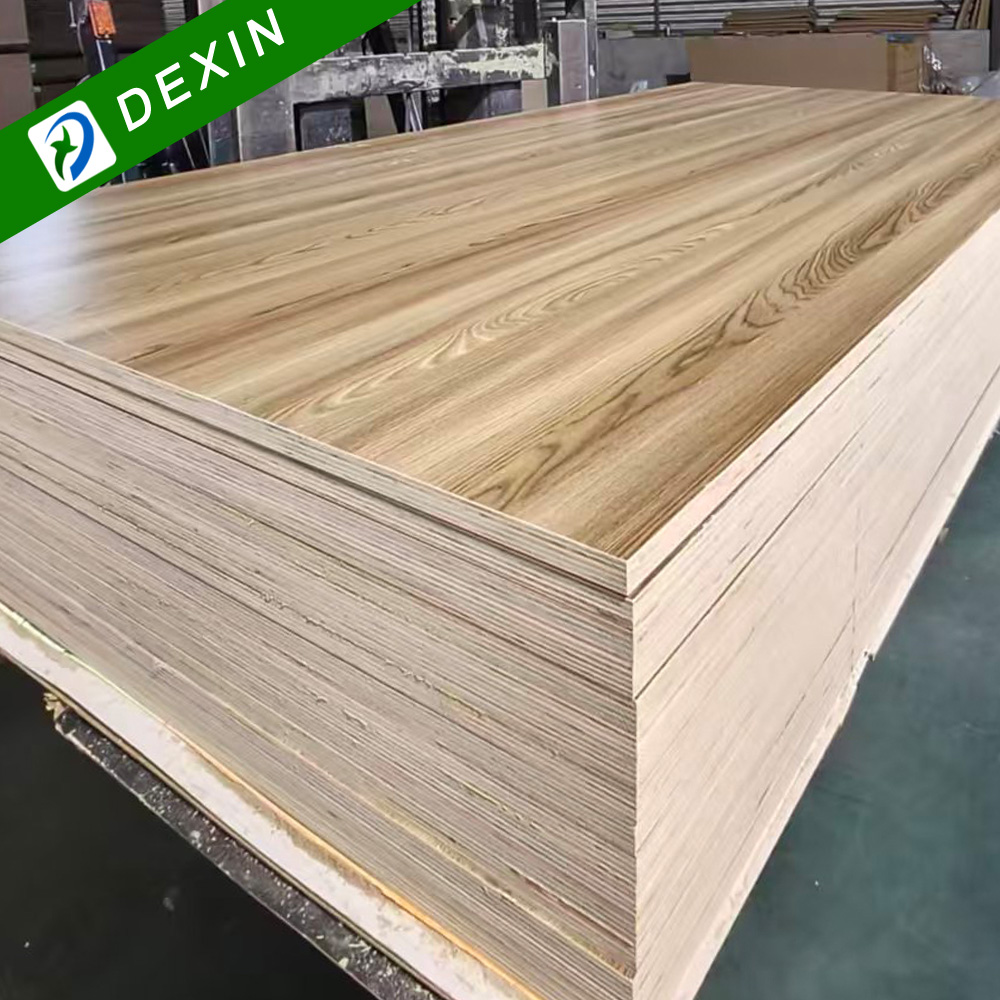
18mm Marine Laminated Melamine Plywood
A colourful melamine-faced plywood for furniture, cabinetry and decorative panels where moisture tolerance and a ready-to-clean surface matter.
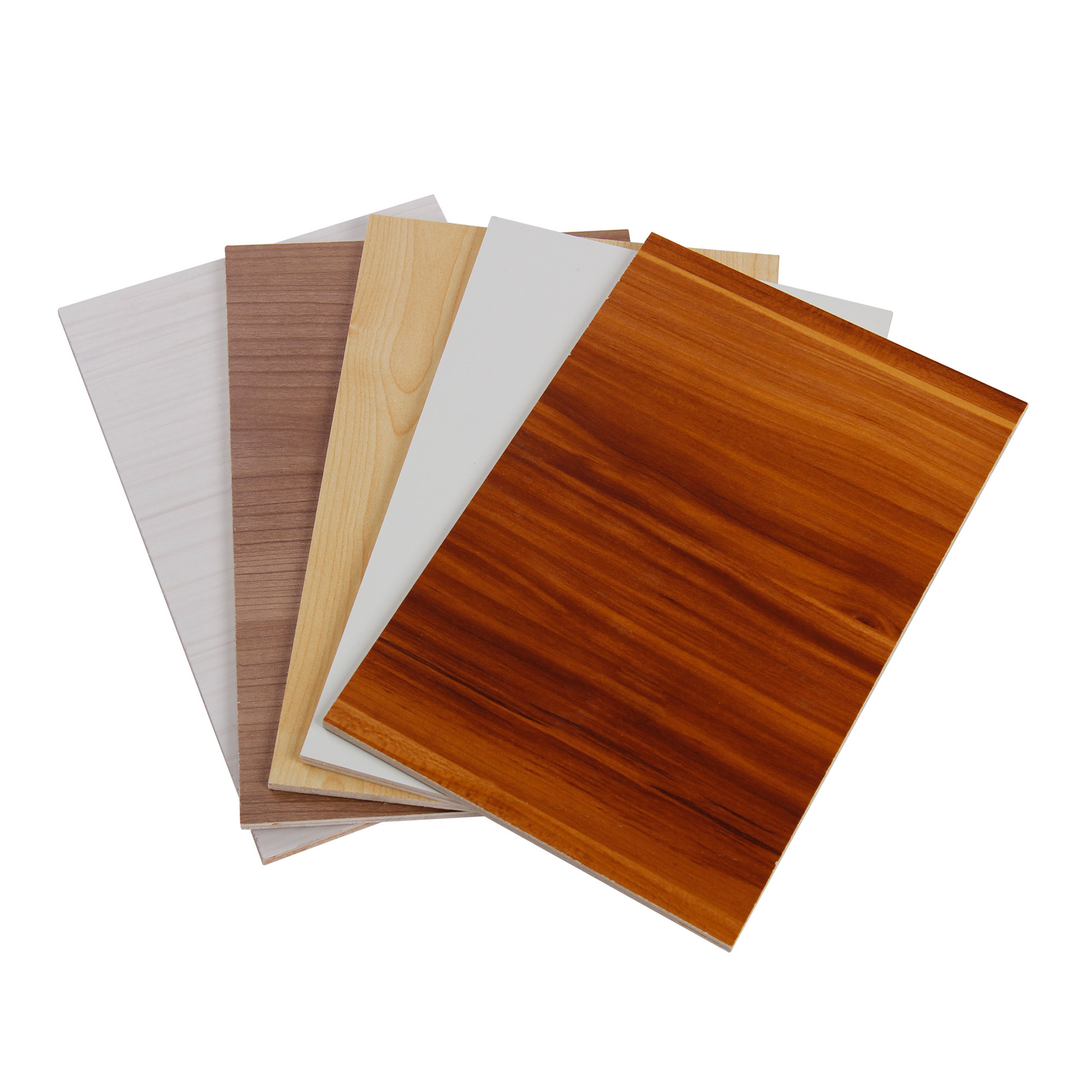
12–18mm Melamine Wood Board Plywood
A versatile melamine wood board for wardrobe interiors, cabinet panels and contract fit-out when a consistent decorative face is required.
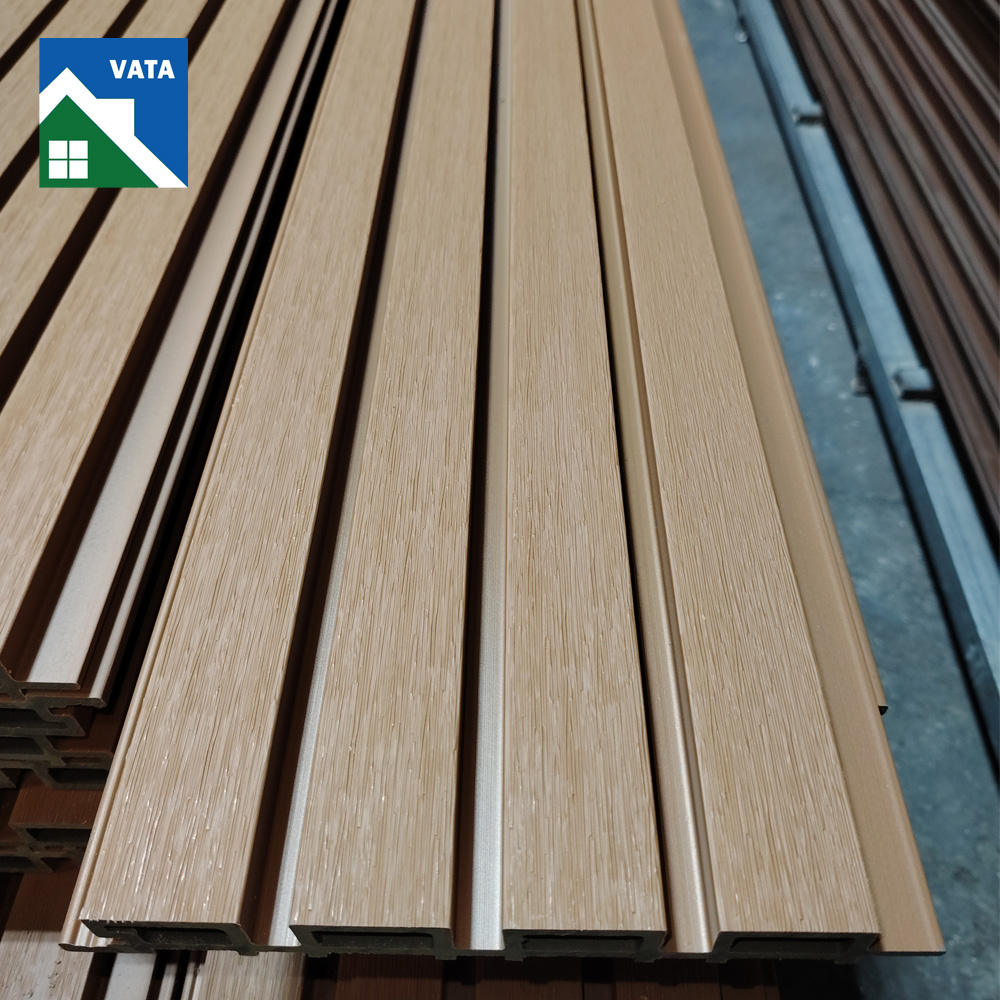
WPC Fluted Exterior Wall Cladding
Exterior-grade WPC fluted cladding for feature facades, garden rooms and retail exteriors; a low-maintenance alternative to timber battens.
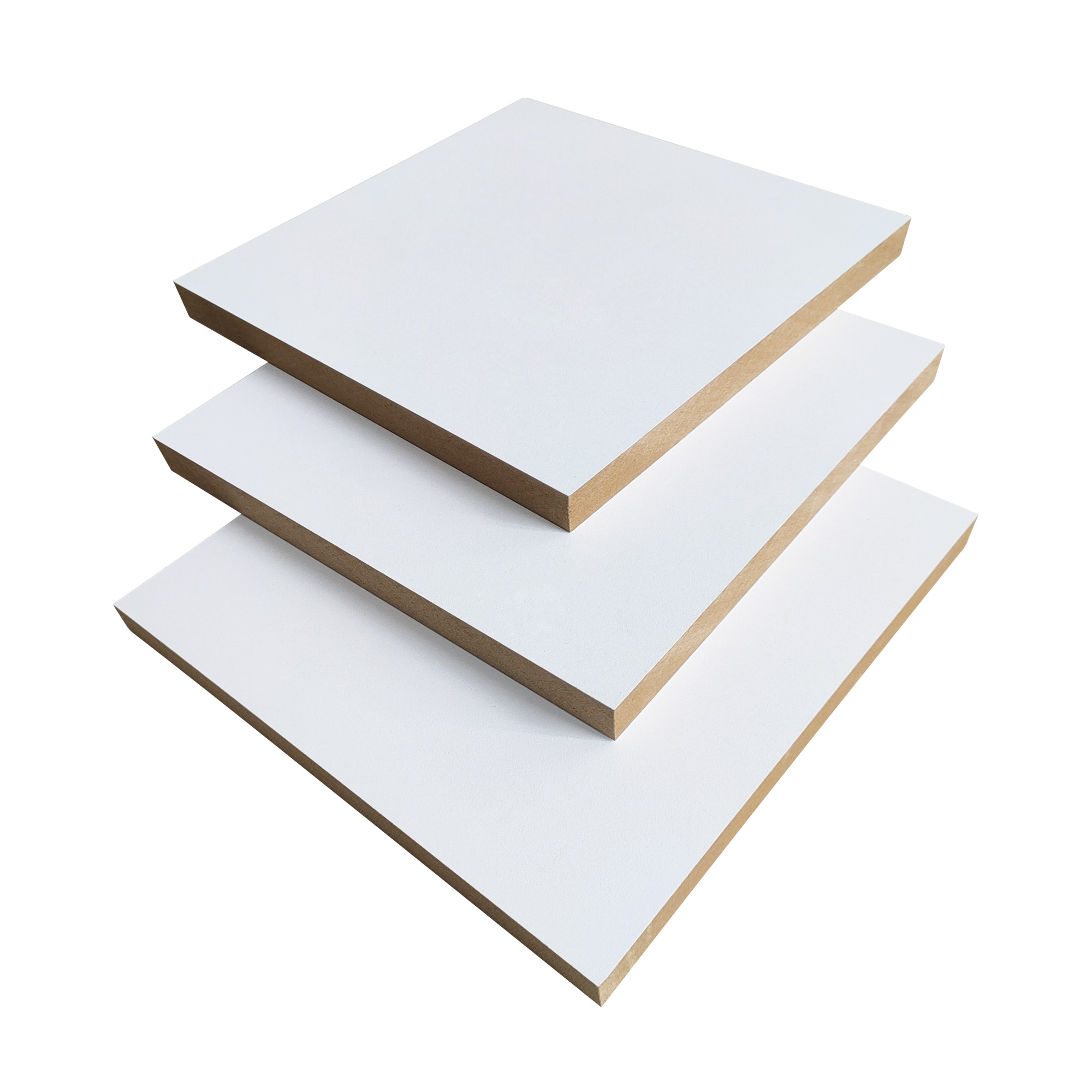
4x8ft White Melamine MDF for Kitchens
White melamine MDF for kitchen cabinets, shelving and clean-lined interiors; available in 3–16mm for doors, carcasses and back panels.
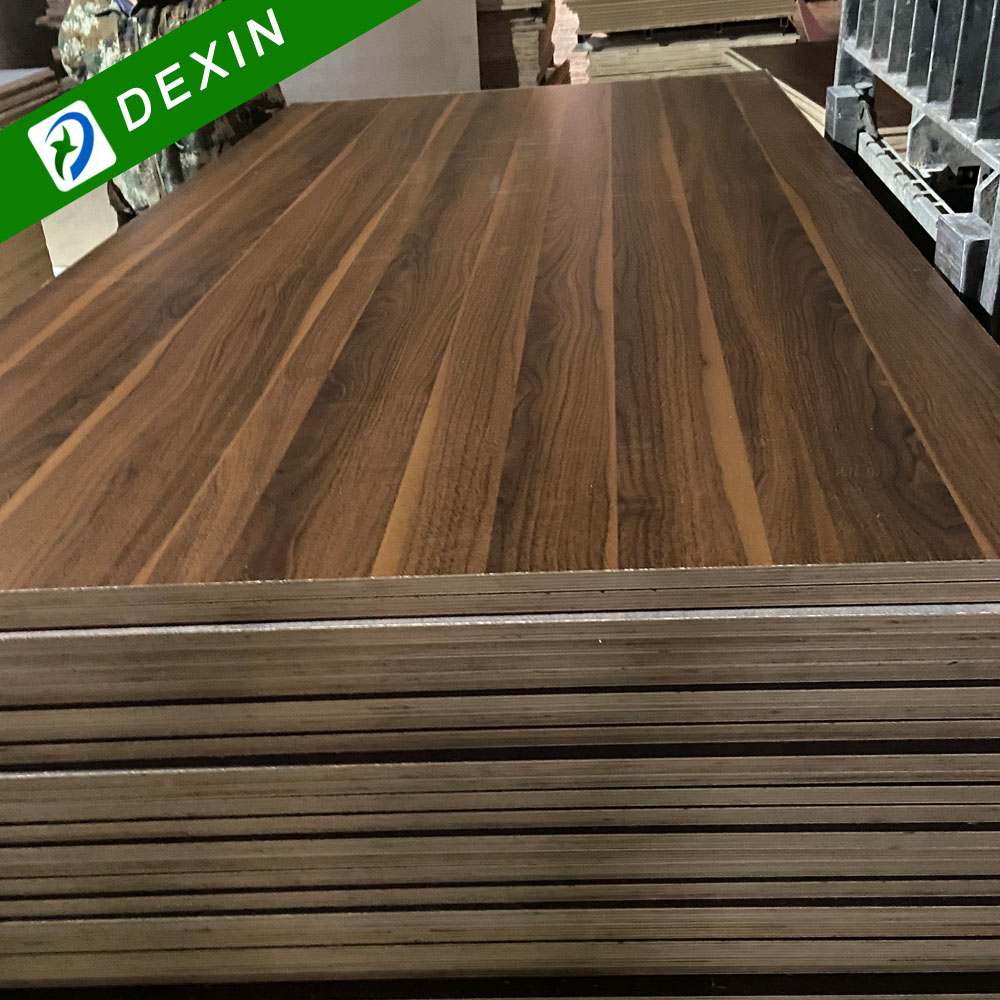
18mm Waterproof Melamine Faced Plywood
Waterproof 18mm melamine-faced plywood for wet-area furniture, utility rooms, commercial washrooms and marine-style joinery.

Eco-Friendly Melamine MDF for Cabinets
Eco-friendly melamine MDF with single or double-sided covering for cabinets and fitted furniture; suitable for E0/E1 low-emission specifications.
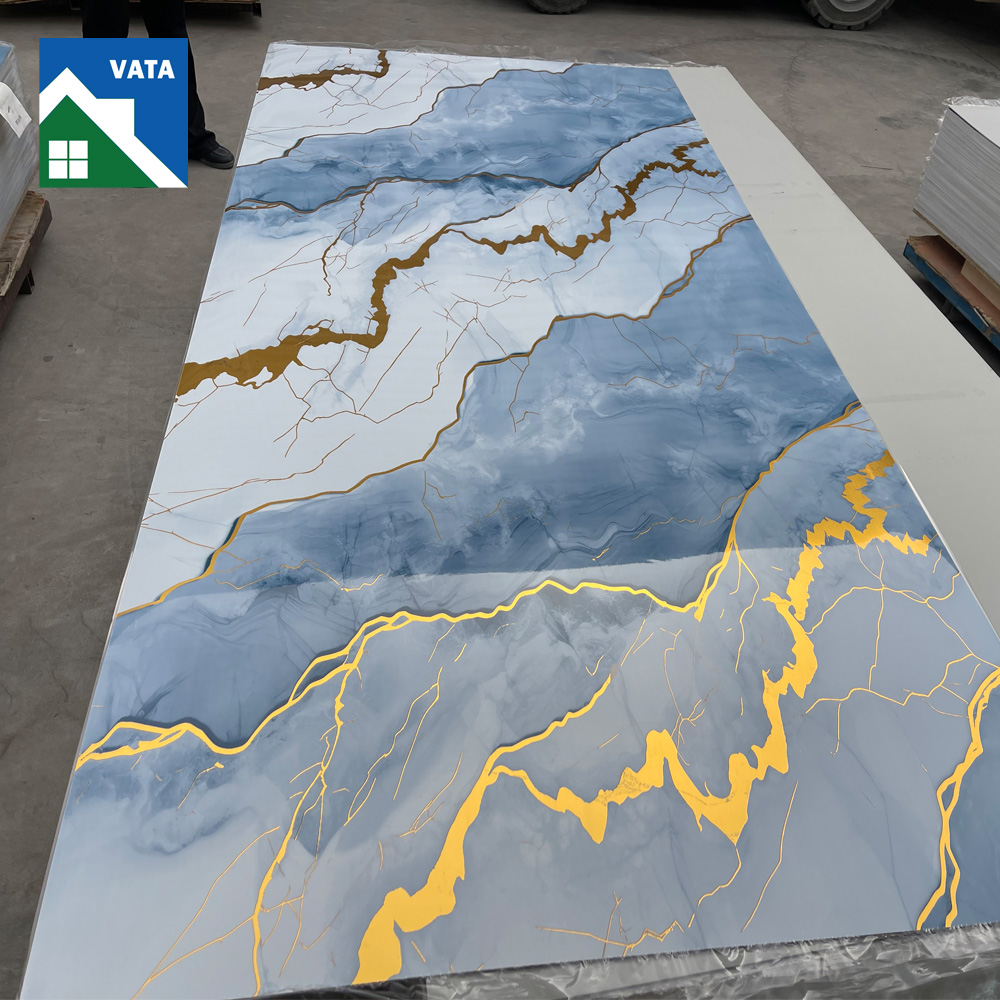
High-Gloss PVC UV Marble Wall Panel
High-gloss UV/PVC wall panel for quick interior upgrades, TV walls, shop displays and feature surfaces; bendable for curves and fast adhesive installation.
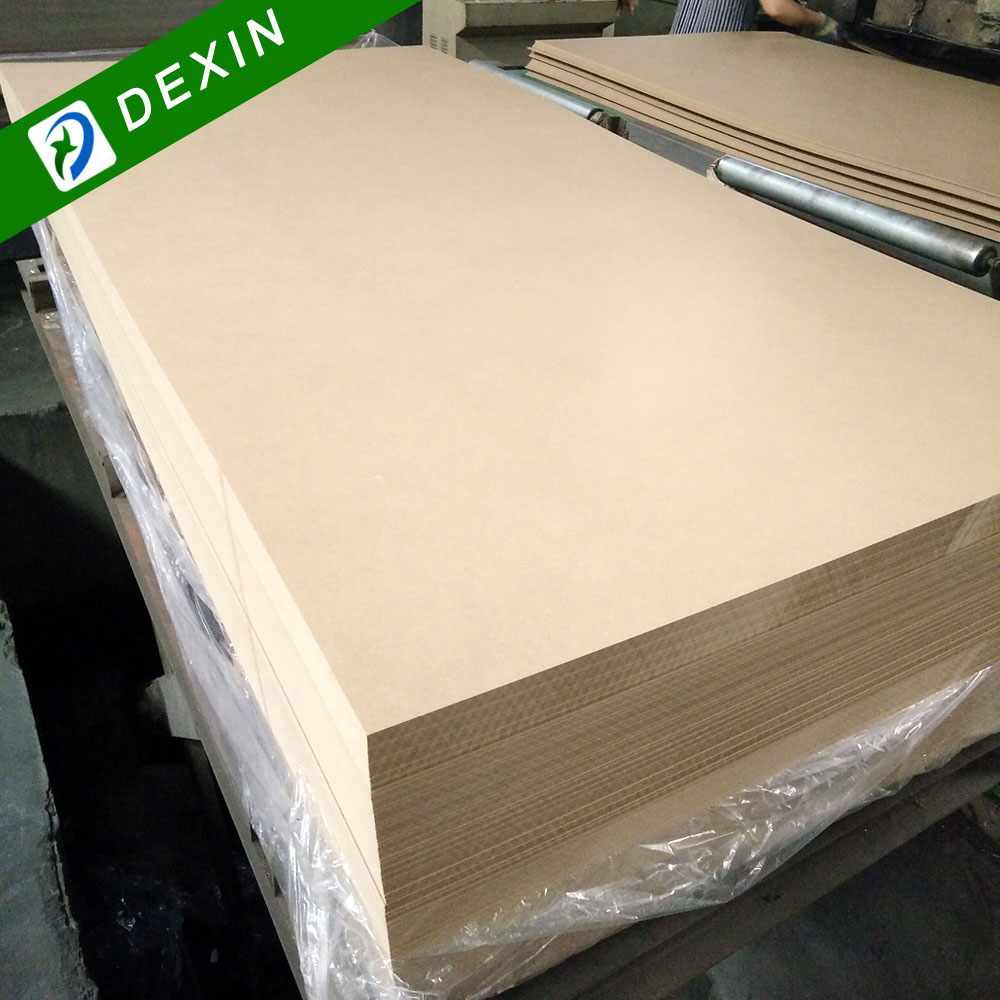
Raw / Plain MDF Board for Furniture
Raw sanded MDF for painting, CNC routing and lamination; a useful comparison product when specifying sanded chipboard against MDF.
Send your board grade, thickness, surface and target UK port for a factory-direct quotation.
Why sanded chipboard remains a specification-grade substrate in the United Kingdom
Sanded chipboard, also called sanded particleboard, is an engineered wood panel made from wood particles bonded with resin and then calibrated by sanding. The sanding process creates a flatter, more consistent face for melamine paper, laminate, veneer or paint. For UK kitchen manufacturers, shopfitters and contract furniture factories, the value lies in predictable thickness, good screw-holding and efficient use of a low-cost engineered substrate.
UK buyers are not purchasing “chipboard” as a generic commodity. They are specifying a panel that must match a CNC programme, edge-banding line, laminate press and installation team. The most common questions are: Is it E1 or E0? Is it moisture resistant? What is the thickness tolerance? Will it hold hinges and fittings? Can you supply FSC or CARB documentation? These are the practical details that separate a trusted sanded chipboard supplier from a low-cost supplier that creates rework.
At KUDE, our export team treats sanded chipboard as part of a broader panel system. That is why this page also shows melamine-faced plywood, MDF, WPC and PVC wall panels that British importers and fabricators often combine in mixed containers. A single technical conversation can therefore cover the carcass board, the decorative face, the moisture-resistant upgrade and the final wall finish.
UK supplier review scorecard
Use these review weights as a practical starting point for your own sanded chipboard supplier audit.
Where UK buyers use sanded chipboard and related panels
The same board specification can perform differently across a kitchen factory, a shop-fitting contractor and a flat-pack furniture producer. These are the local application scenarios that matter when comparing suppliers.
Kitchen carcasses and cabinet boxes
18mm sanded chipboard or melamine-faced chipboard is common for cabinet boxes where flatness, screw-holding and edge-banding quality drive the finished kitchen’s durability.
Contract furniture and flat-pack production
Consistent density helps fittings, dowels and cam locks hold correctly. UK contract furniture makers often require E1 or E0 grades and repeatable thickness for automated drilling lines.
Shop fitting and retail displays
Shopfitters use 18–25mm boards for counters, display units and back walls. Laminate or veneer facing requires a well-sanded substrate with stable thickness.
Fitted bedrooms and storage
Wardrobes, drawer boxes and shelving benefit from moisture-resistant options in UK homes. Clean sanding quality helps decorative paper and laminate bond without telegraphing surface defects.
Sanded chipboard procurement trends in the UK market
Price remains important, but UK importers are increasingly buying documentation, consistency and supply reliability alongside the board itself.
Documentation-first sourcing
FSC, CE, ISO and formaldehyde reports are now part of the buying file. UK distributors need traceable documentation to satisfy their own trade customers and project obligations.
Moisture resistance as standard
Kitchens, bathrooms and utility furniture face humid internal conditions. Moisture-resistant sanded chipboard is increasingly specified before a problem occurs, not after.
Tight tolerances for CNC lines
Automated cutting and edge-banding leave little room for thickness variation. Buyer audits now focus on caliper checks, sanding marks, flatness and batch-to-batch consistency.
Mixed containers and launch quantities
UK importers often combine sanded chipboard with melamine boards, MDF and wall panels. Flexible mixed-container planning helps distributors test demand without overstocking one SKU.
Sanded chipboard checklist for UK procurement teams
Use this practical matrix when you request samples, compare quotations or prepare a supplier due-diligence file.
| Specification area | UK buyer checklist | KUDE verification point |
|---|---|---|
| Panel grade | Confirm EN 312 P2, P3 or P5 where specified, and match the grade to load and moisture exposure. | Quote the agreed grade on the proforma invoice; provide order-specific test reports where required. |
| Thickness | 9, 12, 15, 18, 22 and 25mm are common starting points; agree tolerance for CNC cutting and edge-banding. | Caliper checks, sample approval and batch inspection records before shipment. |
| Panel size | 1220×2440mm remains the standard UK import size; cut-to-size and special dimensions require early review. | Custom size, thickness and packing can be quoted after specification confirmation. |
| Formaldehyde | Specify E1, E0 or E2 to match customer policy and destination-market documentation. | E0, E1 and E2 options are available depending on product; CE, CARB and test documentation can be discussed. |
| Surface | Decide whether the board is supplied sanded only, melamine faced, laminated, veneered or painted. | Custom face decor, glue type and surface finish subject to sample approval. |
| Moisture performance | Use moisture-resistant grades for kitchens, bathrooms and humid internal applications; avoid prolonged wetting. | MR options and alternative waterproof plywood solutions can be quoted together. |
| Certification | Request FSC, CE, ISO 9001, ISO 14001 and CARB documentation as applicable to the order. | KUDE holds CE, ISO 9001, ISO 14001, FSC and CARB certifications; supplier profile is assessed by SGS. |
| Packing & loading | Require seaworthy export pallets, corner protection, steel strapping and loading photographs. | Export packing, container loading and shipping documents are managed from Linyi through northern China ports. |
Final grades, tolerances and test reports are confirmed against each order. The table is a purchasing checklist, not a substitute for project-specific technical approval.
How to compare sanded chipboard suppliers in the United Kingdom market
Trusted suppliers make the technical and commercial basis of the order visible before the deposit is paid.
Technical file before price
A serious supplier will confirm board grade, density, thickness tolerance, surface quality, formaldehyde class and intended application before sending a final quotation. Ask for certificate scope, not just a logo.
Sanding and calibration evidence
Ask for close-up images of the sanded surface, caliper readings and batch inspection records. A consistent face protects your laminate, veneer, paint and edge-banding yield.
Commercial and logistics discipline
Check MOQ, mixed-container rules, payment terms, lead time, port of loading, packing method and loading-photo policy. Reliable communication before shipment is part of product quality.
Why KUDE is positioned as a trusted sanded chipboard supplier for UK buyers
Linyi KUDE International Trading Co., Ltd. is the export platform of a wood-based panel manufacturing group founded in 1998 in Linyi, Shandong — China’s largest wood-based panel production cluster.
The group operates more than 30 sets of production machines across 30,000 m² of workshops, employs over 300 workers and has an annual output of 60,000 m³ of plywood, blockboard, MDF and particle board. Our principle is simple: survival by quality, development by prestige. That principle applies to sanded chipboard, melamine-faced boards and every related panel we discuss with UK importers.
KUDE holds CE, ISO 9001, ISO 14001, FSC and CARB certifications, and our supplier profile has passed an on-site assessment by SGS. Formaldehyde grades E0, E1 and E2 are available depending on product. We offer sample-based, design-based and full customisation, including size, thickness, core species, face veneer or decor, glue type, logo printing and export packaging. We accept T/T and L/C in USD, EUR or CNY, and work on FOB, CFR, CIF and EXW terms.
Located in Linyi, we load through nearby northern China seaports such as Qingdao. That gives UK importers access to a broad panel cluster, shorter supply chains for veneer, glue and core materials, and flexible mixed-container planning across multiple board products.
Manufacturing group founded
More than two decades of production experience and 15 years of export experience support stable sourcing for UK buyers.
Production workshops
Workshop capacity covers peeling, gluing, hot pressing, sanding and laminating for panel products.
Production machine sets
Multiple machine sets help manage repeatability across cutting, sanding, pressing and lamination.
Annual panel output
Annual output covers plywood, blockboard, MDF and particle board for distributors and project buyers.
Workers in the group
A larger team supports production control, quality inspection, packing and export documentation.
Certification file
CE, ISO 9001, ISO 14001, FSC and CARB certifications support UK importer documentation requirements.
On-site assessed supplier
Our supplier profile has passed an on-site assessment by SGS, adding third-party evidence for buyer due diligence.
Custom specifications
Sample-based, design-based and full customisation are available, including size, core, face, glue, logo and packaging.
Inside the KUDE Linyi production base
Factory images help UK buyers verify the production environment before ordering. For project-critical orders, ask our export team for live video inspection of your own batch before shipment.




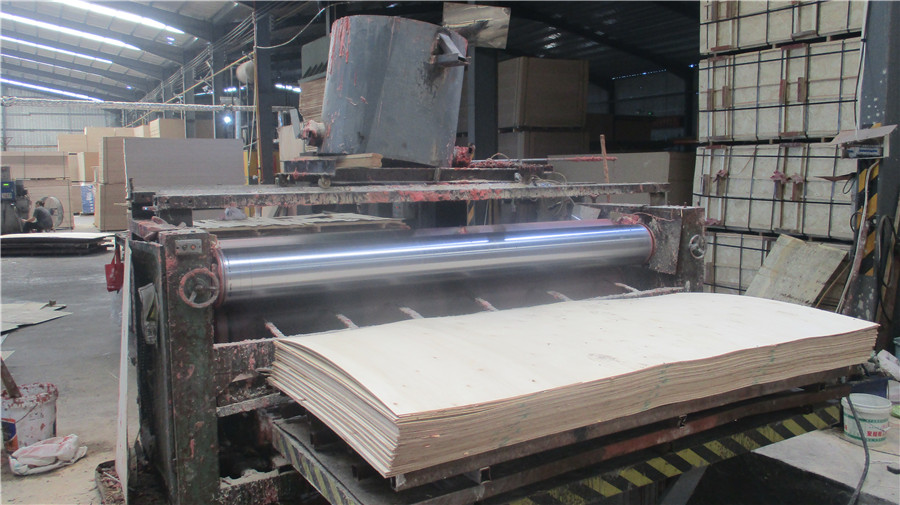
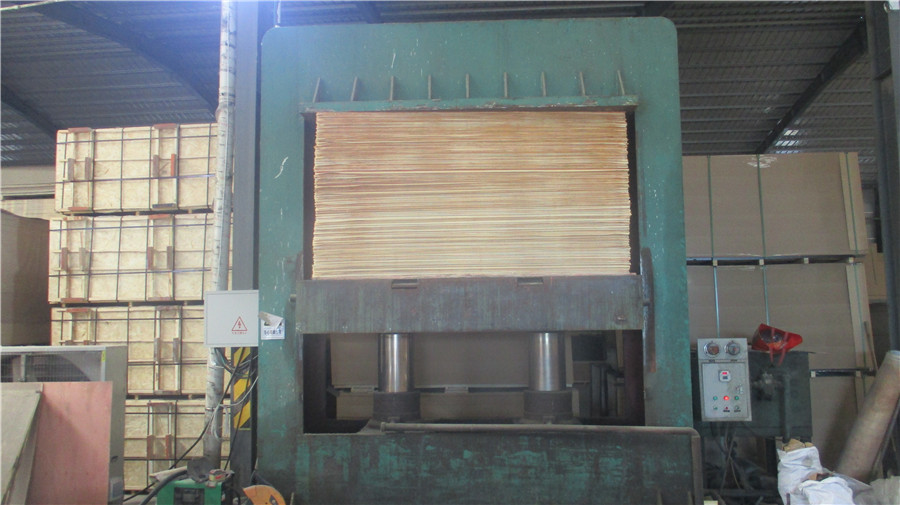
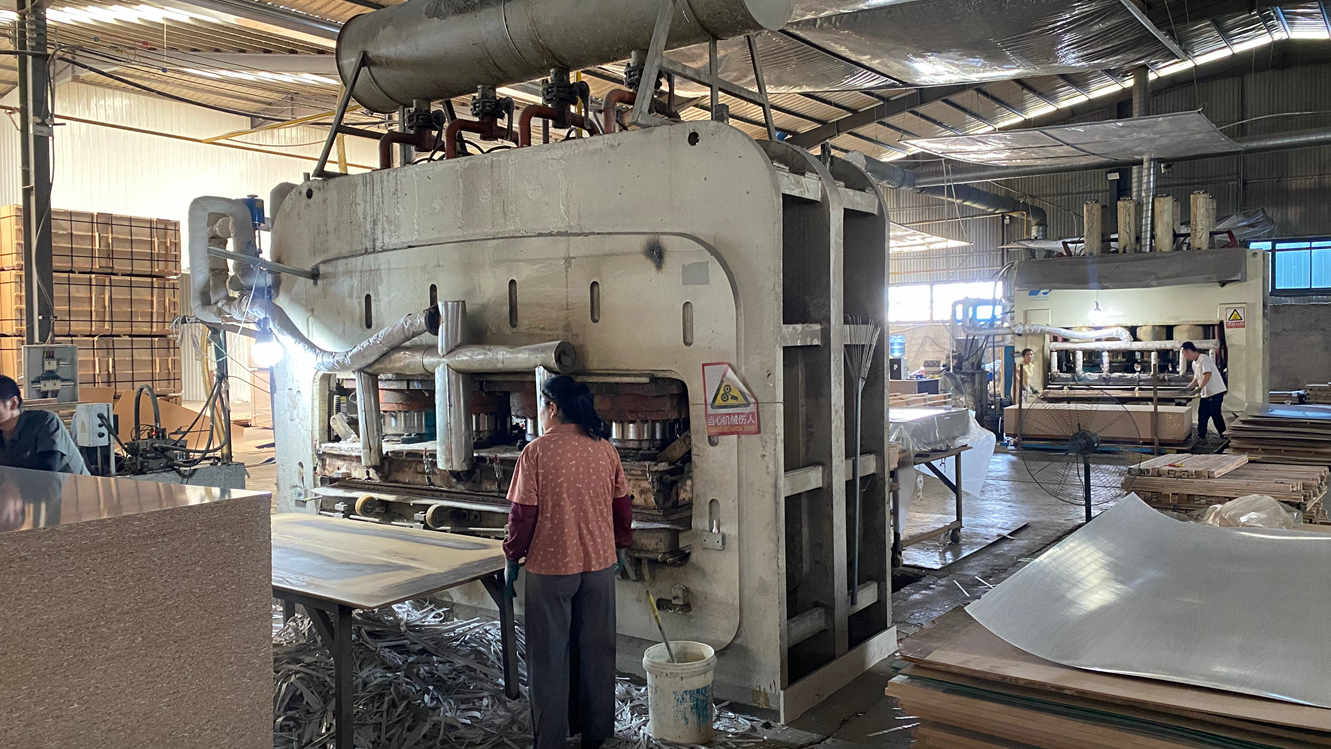
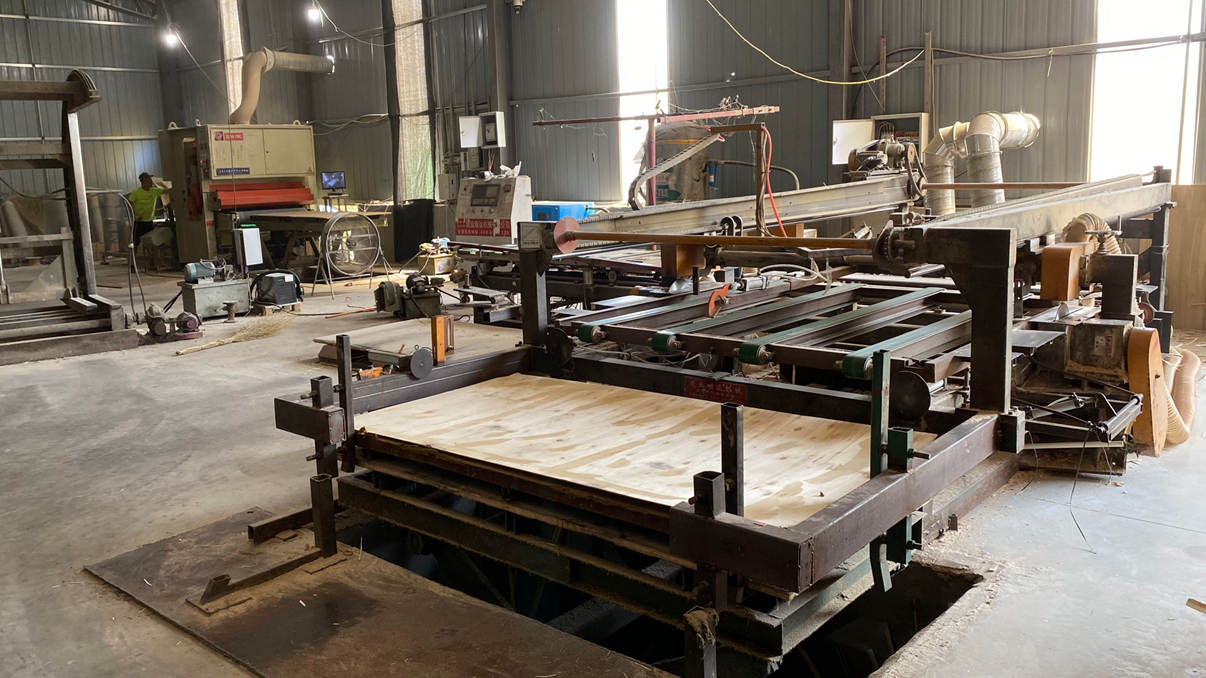
Ask for loading photos, batch inspection records or a live video review before release.
Common procurement questions about sanded chipboard suppliers in the UK
These answers reflect the questions UK importers, distributors and fabricators most often ask before requesting a container quotation.
What is sanded chipboard and how is it used in the UK?+
Sanded chipboard is particleboard that has been sanded to a more consistent thickness and smoother face. In the UK it is commonly used as a substrate for melamine-faced chipboard, laminate, veneer or paint in kitchen carcasses, bedroom furniture, shop fitting and contract furniture. Buyers should specify the grade, thickness tolerance and formaldehyde class rather than ordering “chipboard” as a generic product.
What is the difference between sanded chipboard, MDF and plywood?+
Chipboard is made from wood particles, MDF from fine wood fibres and plywood from layers of veneer. Chipboard is cost-effective for volume furniture and cabinet boxes; MDF offers a smoother edge for routing and painting; plywood provides better structural and moisture performance in many applications. The right choice depends on load, moisture exposure, machining method and surface finish.
Which grade should I specify for kitchen carcasses and contract furniture?+
For kitchen carcasses, 18mm board with E1 or E0 formaldehyde and a moisture-resistant option is a common starting point. For contract furniture, confirm density, screw-holding and thickness tolerance with your CNC and edge-banding programme. If EN 312 P2, P3 or P5 is specified, confirm the exact grade and request the relevant test report before ordering.
Do you provide FSC, E0/E1, CE and CARB documentation for UK buyers?+
KUDE holds CE, ISO 9001, ISO 14001, FSC and CARB certifications, and E0, E1 and E2 formaldehyde grades are available depending on product. Certificate scope and order-specific test reports should be confirmed with our export team. UK importers should also check that the documentation matches the exact product, thickness and surface specified on the purchase order.
What thicknesses and panel sizes are available?+
Sanded chipboard and related board products are commonly discussed in 1220×2440mm sizes and thicknesses from 9mm to 25mm, with 18mm being a frequent choice for furniture and kitchen carcasses. Custom size, thickness and surface options can be reviewed against your order quantity and packing plan. Final availability is confirmed product by product.
What is the MOQ, lead time and shipping route to the UK?+
MOQ depends on the product line, typically from 50 to 500 sheets, and several products can be combined in one container after specification confirmation. Orders are loaded in Linyi and shipped through northern China seaports such as Qingdao. Lead time is confirmed after grade, thickness, surface, quantity and packing requirements are approved.
How should sanded chipboard be stored and machined in the UK climate?+
Store panels flat, dry and off the floor, allow acclimatisation before machining, and seal cut edges where moisture exposure is possible. In kitchens, bathrooms and humid internal areas, specify a moisture-resistant grade and avoid prolonged wetting. Good extraction during machining also helps maintain a clean edge for lamination and edge-banding.
How can I verify a sanded chipboard supplier before placing a PO?+
Ask for the factory profile, certification scope, sample approval, thickness readings, surface images, packing method and loading-photo policy. For higher-risk orders, request a live video review of production or loading. Compare suppliers on documentation and consistency, not only on the lowest price per sheet.
Request a UK-specific sanded chipboard quotation
Send your panel grade, thickness, size, surface, formaldehyde requirement, destination port and target delivery window. Our export team will reply with a technical proposal, packing plan and loading schedule.
- Factory-direct quotation from Linyi, China
- E0 / E1 / E2 options and FSC / CE documentation discussion
- Mixed-container planning with melamine boards, MDF, plywood and wall panels
- Export packing and loading evidence for UK importers
Tell us you are sourcing for the UK market and include your target port for a faster response.