Top Trusted WPC Wall Panel Installation Factories & Factory Serving Basra
Verified WPC cladding, interior decorative panels, melamine MDF and marine plywood for Basra contractors, importers and project owners — with export documentation, installation-ready specifications and mixed-container sourcing from one manufacturing group.
8 Products Basra Buyers Usually Request in the Same Container
A WPC wall panel installation package rarely travels alone. Basra contractors and fit-out companies commonly combine exterior WPC cladding with moisture-resistant MDF, melamine boards and marine plywood for kitchens, reception areas, joinery, formwork and humid interiors. Every product below keeps its original URL and image.
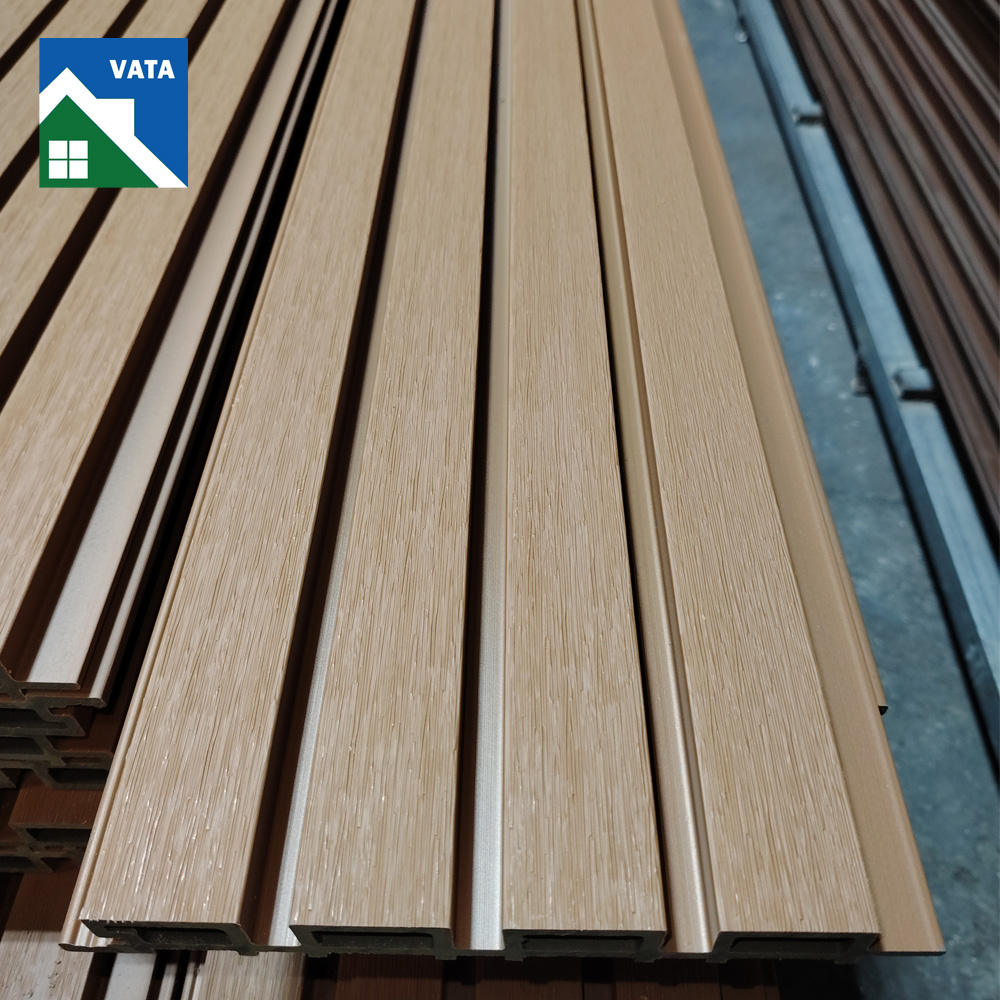
Decorative Outdoor Wood Plastic Composite Partition WPC Fluted Wall Panel Board External Siding Cladding Exterior Wall Cladding
Fluted WPC cladding for compound walls, shaded facades, balconies and feature elevations. For Basra, specify UV-stable exterior film, ventilated battens and stainless fasteners to manage heat, dust and saline humidity.
- Exterior
- Fluted profile
- UV option
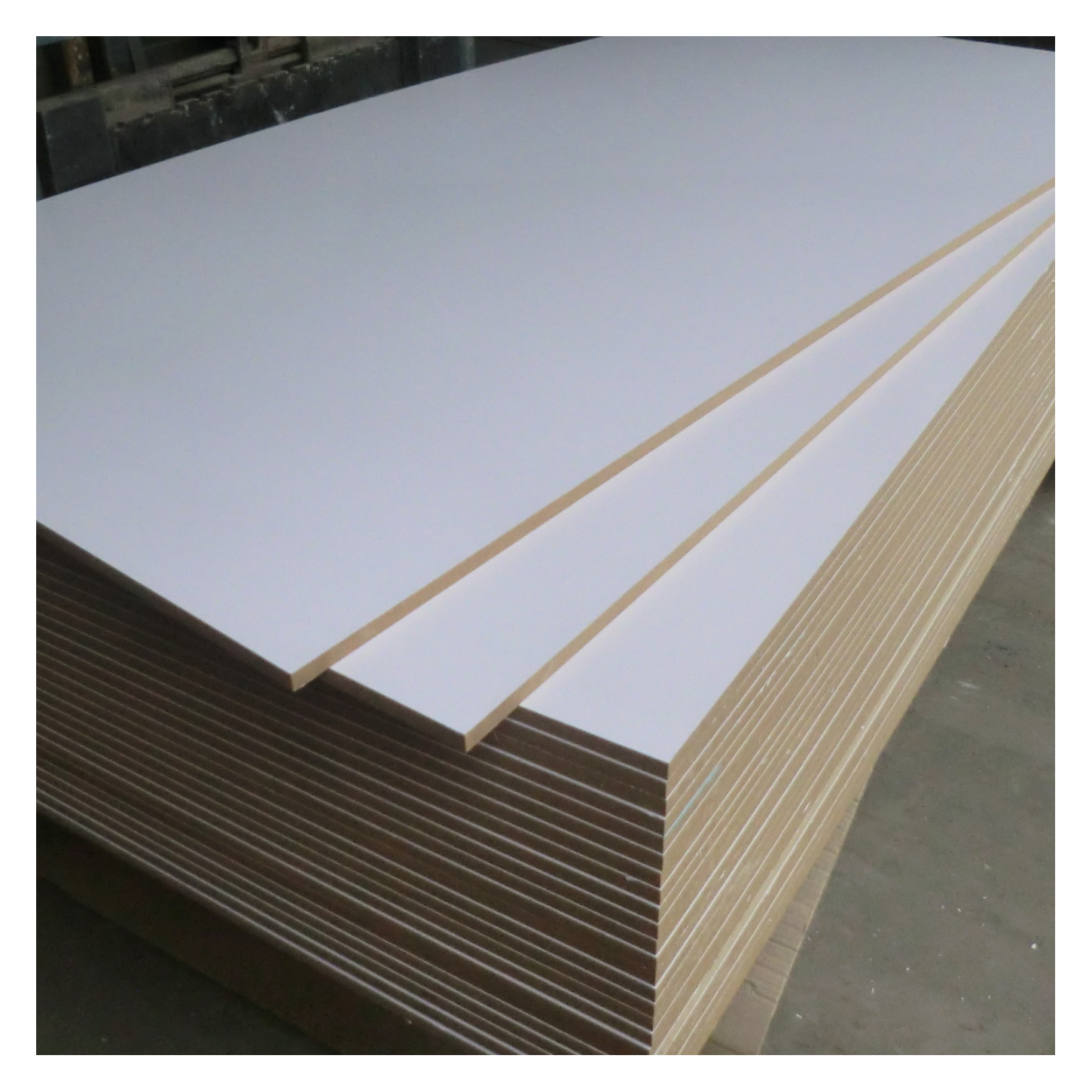
Wholesale E1 Grade Melamine Faced Moisture-Proof MDF Board for Kitchen Furniture Use 18mm Thickness CE Certified
An 18mm E1 melamine-faced moisture-proof MDF for kitchen cabinets, wardrobes and reception joinery. CE documentation helps contractors prepare project submittals and compare boards on grade rather than price alone.
- 18mm
- E1 grade
- CE certified
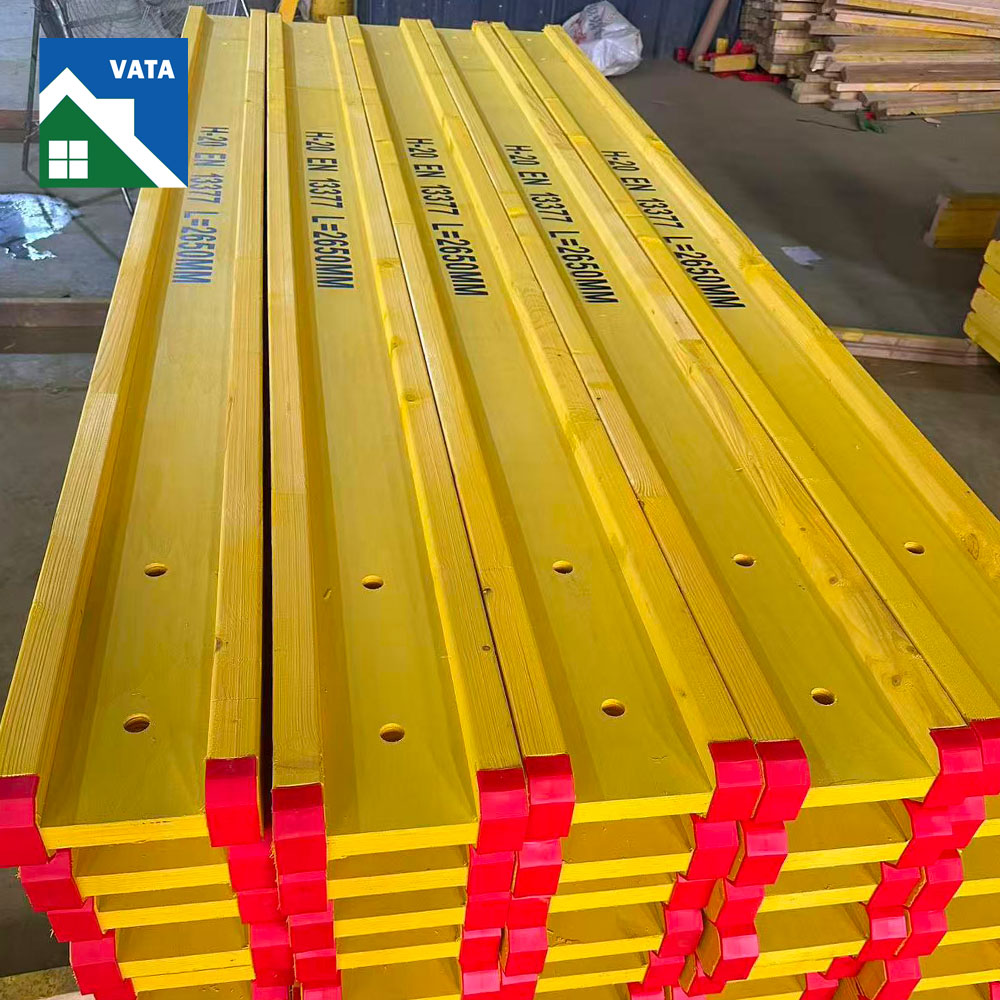
Factory Direct High Strength H20 Timber Beam Waterproof LVL Structural I Beams for Concrete Formwork
H20 LVL beams for concrete formwork and structural support. Waterproof glue lines and factory-controlled dimensions help Basra contractors plan repeated pours with fewer surprises on site.
- H20 LVL
- Waterproof
- Formwork
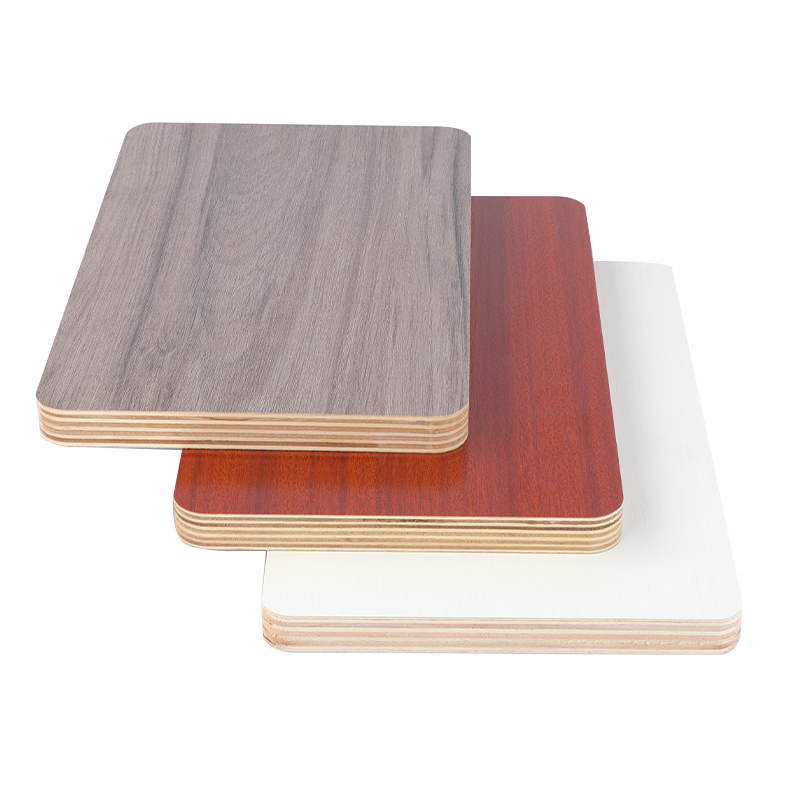
E2/E1/E0 Grade Solid Color and Wood Grain Marine Melamine Plywood Price Philippines From China
Marine melamine plywood in E2, E1 and E0 options with solid-colour or wood-grain faces. A practical choice for humid furniture, shopfitting and built-ins where a stable plywood core is preferred over MDF.
- E0/E1/E2
- Wood grain
- Marine plywood
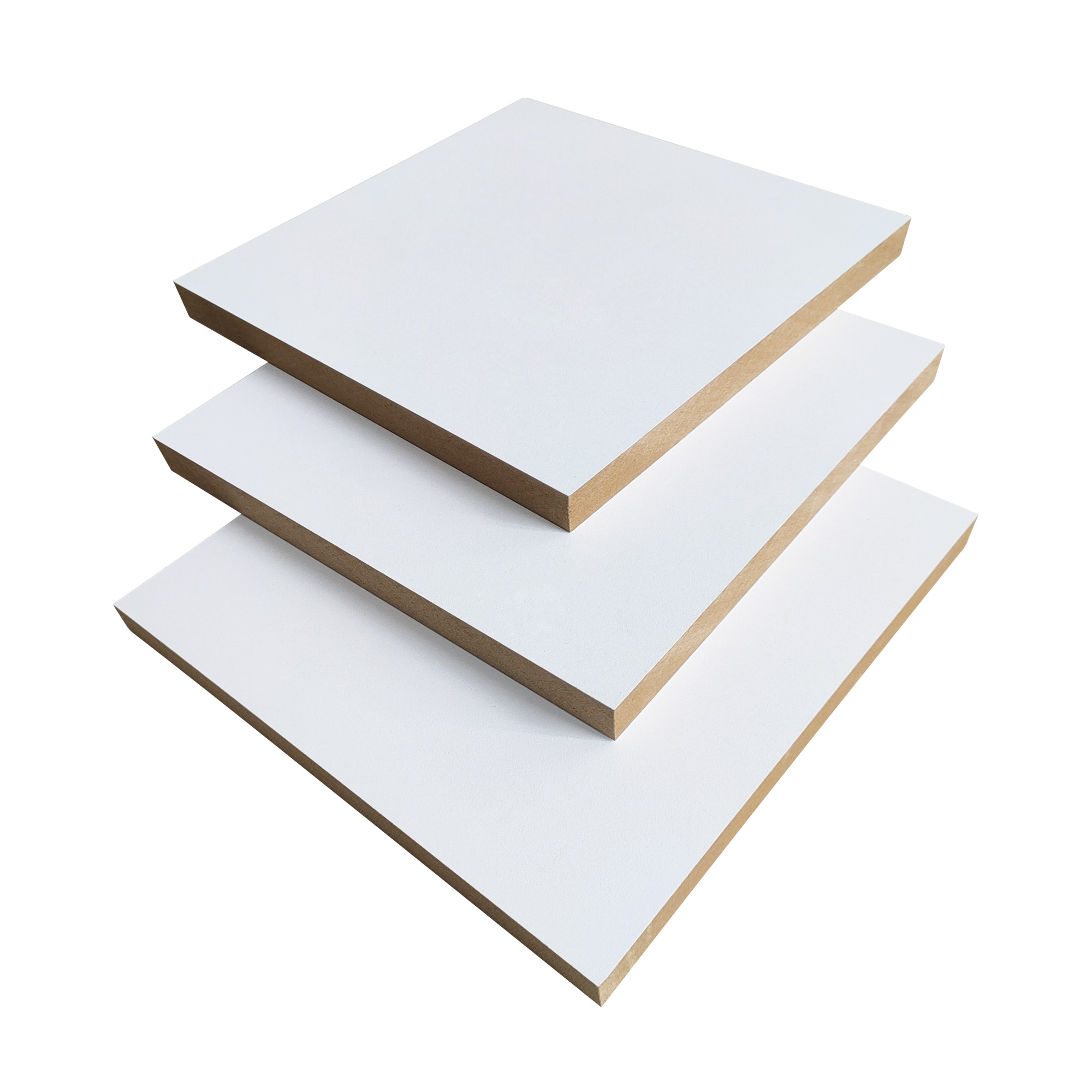
High Quality 4x8ft White Melamine MDF Board China Manufacturer E1 Formaldehyde for Kitchen Use-Sizes 3mm 6mm 9mm 12mm 16mm
White 4x8ft melamine MDF across 3mm to 16mm for kitchen, wardrobe and office furniture. E1 formaldehyde grade and consistent sanding support clean edge banding, lamination and fast site replacement.
- 4x8ft
- E1
- 3–16mm
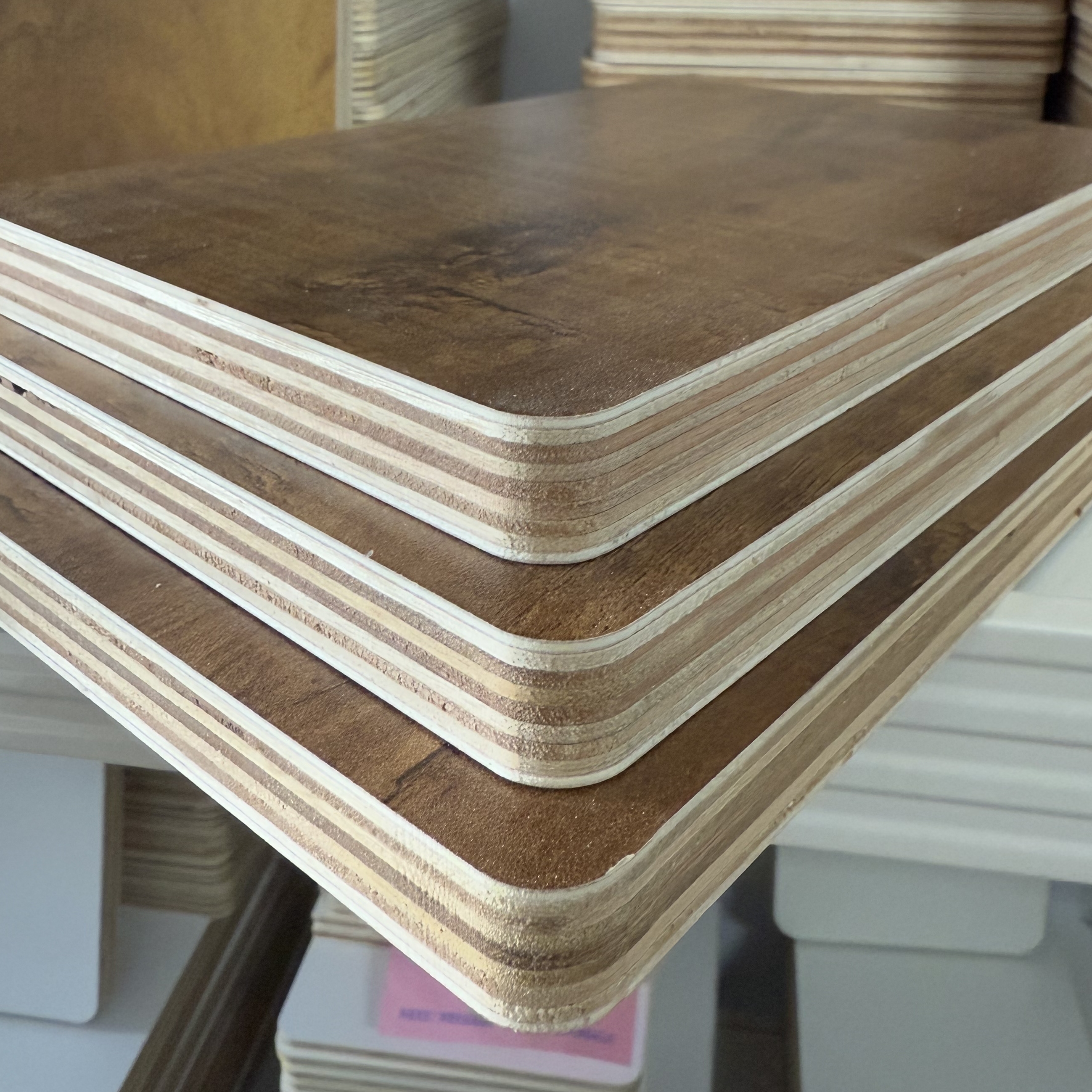
Waterproof White Wood Grain Marble Grain 4x8 18mm Ply Board Melamine Coated Marine Laminated Plywood Sheet for Furniture
An 18mm waterproof melamine laminated marine plywood in white wood grain or marble grain. Suitable for humid vanities, counters and fitted furniture where moisture exposure is higher than a standard interior room.
- 18mm
- Waterproof
- Marble grain
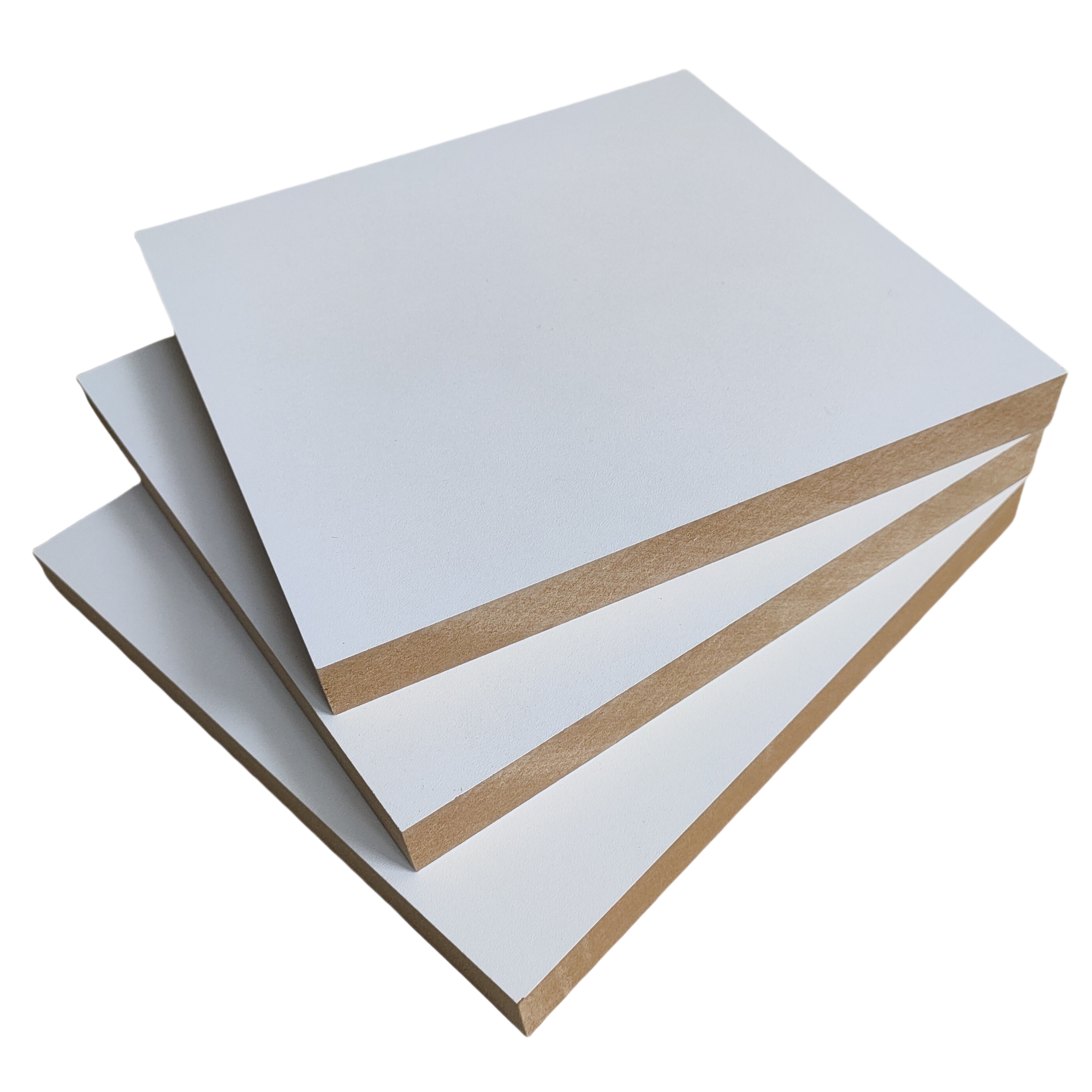
18mm Kitchen Furniture Use White Wood Fiber Board E1 Grade Melamine MDF/HDF Sheet Moisture-Proof
Moisture-proof white melamine MDF/HDF for kitchen and bathroom cabinetry where a wipeable surface is needed. A practical board for contractors sourcing repeatable cabinet components for Basra villas and apartments.
- 18mm
- Moisture-proof
- White finish
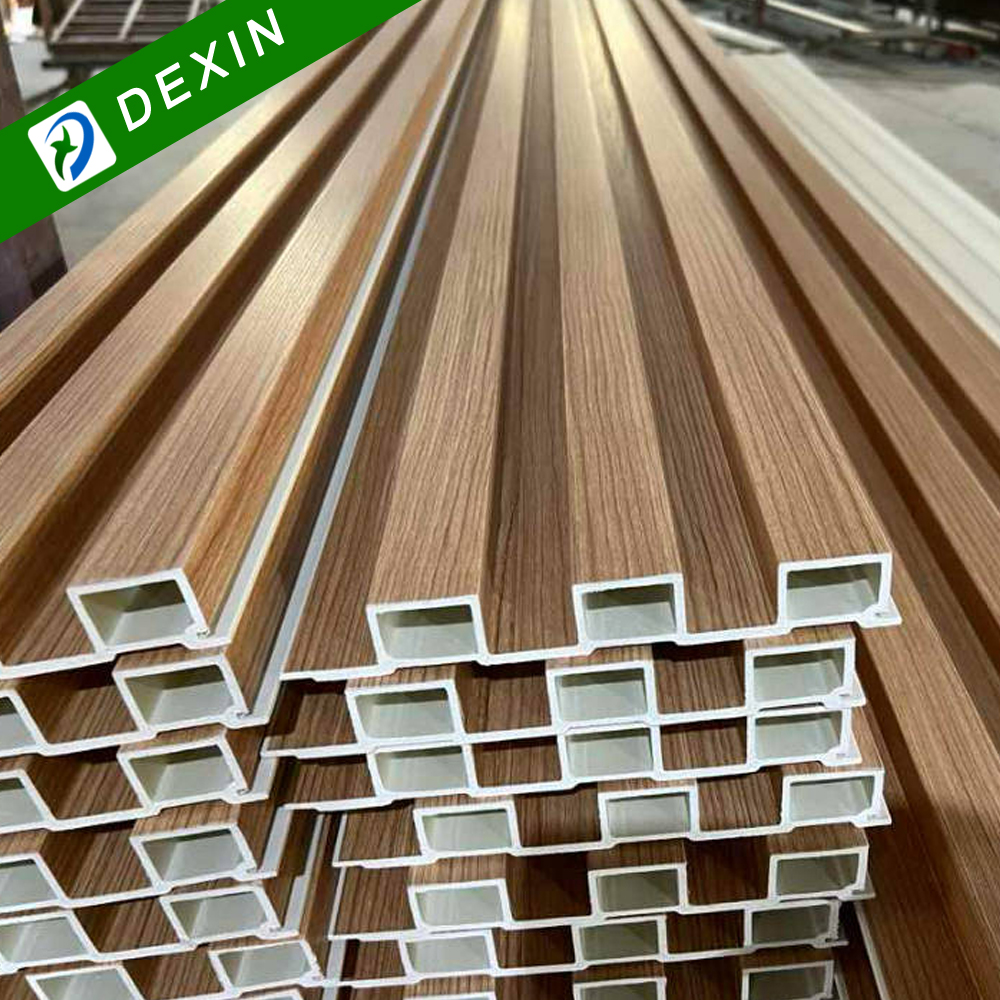
Modern Wall Cladding Home Background PVC WPC Wall Panels Interior Decorative Wall Panel for Hotel
Interior PVC/WPC decorative panels for hotel walls, majlis, offices and retail feature walls. Dry installation reduces wet trades and downtime, which matters in occupied buildings and phased fit-out schedules.
- Interior
- Hotel
- PVC/WPC
All URLs and image paths are preserved from the original product content. Product availability, thickness range and finish are confirmed against the final specification.
See Basra specification adviceWhat “Trusted WPC Wall Panel Installation Factories” Means for a Basra Buyer
The query usually signals a live project rather than casual browsing. The buyer is often a contractor, fit-out company, importer or project owner who needs a panel system that will survive Basra’s heat, dust, saline humidity and strong sunlight — not simply the lowest price per square metre.
A credible factory serving Basra must connect four things: a climate-appropriate panel specification, matching trims and fasteners, export-ready documentation, and a container plan that can combine wall panels with MDF, plywood and formwork materials. When one of these is missing, the apparent saving is usually absorbed later by site delays, replacement panels or failed inspections. That is why the most useful way to compare factories is not by headline price, but by the quality of the specification and the completeness of the supply package.
Climate-grade disclosure
Ask whether the WPC compound and surface film are specified for exterior heat and UV exposure, not just interior decoration. Basra facades need a system discussion, not a generic “waterproof” claim.
Installation system & accessories
A trustworthy factory supplies compatible trims, corner pieces, starter profiles, fixings and installation drawings. Missing accessories force local improvisation, which is where water paths and open joints begin.
Document pack clarity
CE, ISO 9001, ISO 14001, FSC, CARB and SGS assessment help verify the supplier profile. Basra-bound orders also need clear invoice, packing list, certificate of origin and product-specific test reports when requested.
Batch consistency
For hotels, villas and retail chains, colour and profile consistency matters. Request batch photos, retained samples and a spare-panel allowance before production so future repairs do not create visible mismatches.
Where WPC Wall Panels and Panel Products Are Used in Basra
Basra’s climate and project mix change the way decorative panels should be specified. These are the application scenarios most often discussed with contractors and importers preparing materials for Basra.
Villa compounds, majlis and family homes
Use exterior fluted WPC on shaded facades, boundary walls and entrance features, and interior PVC/WPC panels for majlis walls, TV backgrounds and ceilings. In air-conditioned homes, dust wiping and moisture-resistant trims are usually more important than heavy stone-look finishes.
Hospitality, cafés and retail showrooms
Hotels, cafés and showrooms along major commercial corridors need fast, repeatable feature walls. WPC panels reduce wet trades and allow phased fit-out; matching melamine MDF and marine plywood support counters, cabinets and back-of-house joinery in the same order.
Oil, gas and industrial support facilities
Support offices, staff housing, canteens and workshops around Basra’s energy sector often require cleanable wall surfaces and durable joinery. WPC panels can be specified with project documentation, while marine plywood and H20 beams cover wet-area furniture and formwork needs.
Logistics offices near Umm Qasr
Port-linked offices, dispatch areas and warehouse administration rooms benefit from quick-install interior panels that can be cleaned and replaced panel by panel. Light colours and trim systems help reduce visible dust and simplify maintenance.
Schools, clinics and service centres
Corridors, waiting areas and reception walls need scuff-resistant surfaces and light finishes. Moisture-proof MDF and PVC/WPC wall panels can be combined to create cleanable interiors without the drying time of plaster and paint in occupied buildings.
Renovation and retrofit projects
In occupied villas, offices and retail units, WPC wall panels can be installed over prepared substrates with less dust and faster handover. The factory should confirm substrate tolerance, expansion gaps and trim details before panels arrive, not after installation has started.
Local Development Trends That Affect WPC and Panel Specifications
Basra’s construction pipeline continues to mix housing, hospitality, logistics and energy-sector support facilities. For panel buyers, the practical trends are less about fashion and more about climate resilience, faster installation and mixed sourcing.
Heat and UV control are now specification items
Direct sun on dark panels increases surface temperature and colour-fade risk. Buyers increasingly ask for UV-stable exterior films, lighter colours, ventilated fixing systems and clear guidance on which elevations should not receive dark panels in full sun.
Humidity and salt air drive substrate discipline
Saline humidity, AC condensate and water splash make “moisture-proof” a system requirement. The panel, adhesive, edge sealing, battens and fasteners must work together. Interior WPC can be appropriate, but wet-area furniture should move to marine plywood or moisture-resistant MDF/HDF with sealed edges.
Mixed containers and faster fit-out
Importers increasingly combine WPC panels, melamine MDF, marine plywood and H20 beams in one container to reduce freight fragmentation. Factories that can cut to length, label cartons, supply accessories and load mixed SKUs cleanly are preferred over suppliers selling only one board type.
Recommended Product Choices by Project Zone in Basra
Not every wall in Basra needs the same panel. A sensible specification separates direct sun, shaded exterior, air-conditioned interiors, wet joinery and structural formwork.
Shaded exterior facades and boundary walls
Choose the Outdoor WPC Fluted Wall Panel with exterior-rated UV film. Use ventilated battens, stainless or hot-dip galvanised fasteners, and profile-specific expansion gaps. Avoid trapping water behind the panel or sealing the base without drainage.
Air-conditioned feature walls and hotel interiors
Use the Modern Interior PVC WPC Decorative Wall Panel for majlis, hotel rooms, cafés and offices. Confirm substrate flatness and provide a moisture barrier where walls are cold or condensation-prone. Keep spare panels for future repairs.
Kitchens, vanity bases and wet joinery
For cabinetry and humid built-ins, combine moisture-proof melamine MDF/HDF, 18mm waterproof melamine marine plywood and the H20 LVL beam where formwork or structural support is required. Seal cut edges and avoid direct water contact.
A Basra-Ready WPC Wall Panel Installation Checklist
The most common installation failures are not caused by the panel alone. They start with an unprepared substrate, trapped moisture, missing expansion gaps or incompatible accessories. The following sequence gives contractors a practical control framework.
Substrate and climate survey
Check wall straightness, damp patches, efflorescence, AC leaks, salt contamination and direct-sun exposure. Measure substrate moisture before closing the wall. Do not install over wet plaster or contaminated masonry.
Ventilated base and moisture barrier
Use levelling battens or a ventilated subframe where the wall design requires it. Provide a drainage path at the base and keep the moisture barrier continuous. Avoid trapping water behind panels or around window reveals.
Layout, expansion and trims
Set out from the centre and keep profile-specific expansion gaps at ends, corners, ceilings and long runs. Use matching starter, corner and end trims. Never butt panels tightly together in a hot, humid Basra interior or exterior.
Fixing, inspection and handover
Use approved adhesive plus mechanical fasteners where the system requires both. Check every panel for movement, open joints and surface damage. Leave spare panels, cleaning advice and a simple maintenance schedule for the owner.
Indicative project-planning priorities for Basra conditions, not a performance rating or warranty statement. Final requirements must follow the selected profile and project engineer’s specification.
| Basra site condition | What to verify before fixing panels | Acceptance check |
|---|---|---|
| High summer heat / direct sun | Exterior-grade UV film, light colour, ventilated fixing, expansion gaps, thermal movement plan. | Panel samples and profile drawing signed off; no rigid sealing at long runs. |
| Saline humidity / coastal air | Stainless or properly coated fasteners, moisture barrier, sealed cut edges, drained base detail. | No bare cut edges exposed; fasteners match the approved system. |
| AC condensate / water splash | Substrate moisture reading, waterproofing around wet zones, use of marine plywood or moisture-resistant MDF where appropriate. | Leak test and moisture check completed before handover. |
| Dust and maintenance access | Cleanable finish, replaceable panel layout, spare panels, trim removability. | Maintenance pack and replacement guidance handed to owner. |
How KUDE Supports Basra-Bound WPC and Panel Orders
Linyi KUDE International Trading Co., Ltd. is the export platform of a wood-based panel manufacturing group founded in 1998 in Linyi, Shandong — China’s largest wood-based panel production cluster. The group operates more than 30 machine sets in 30,000 m² of workshops, with 300+ workers and annual output of 60,000 m³ of plywood, blockboard, MDF and particle board. Our principle is simple: survival by quality, development by prestige.
Own production depth
30+ machine sets covering peeling, gluing, hot pressing, sanding and laminating. Factory-direct supply reduces middle-man markup and keeps specification changes traceable to production.
Verified quality profile
CE, ISO 9001, ISO 14001, FSC and CARB; supplier profile assessed on site by SGS. Formaldehyde grades E0, E1 and E2 are available depending on product and destination requirement.
Customization & mixed orders
OEM/ODM support for size, thickness, core species, face veneer or decor, glue type, logo printing and packaging. Several products can be combined in one container after specification confirmation.
Export terms & communication
T/T and L/C in USD, EUR or CNY; FOB, CFR, CIF and EXW terms. Orders ship through northern China seaports such as Qingdao, with loading photos and export documents prepared before dispatch.

KUDE production base in Linyi, Shandong, China.

Panel production line and factory process control.

Finished panel stock prepared for export coordination.
From Linyi Factory to Basra via Umm Qasr
Basra-bound panel orders need more than a freight quote. They need a loading plan that protects finished surfaces, a document set that matches the invoice, and communication that keeps the contractor informed before the container is sealed.
Port and Incoterm planning
Confirm whether the order will move on FOB, CFR, CIF or EXW terms and whether the consignee will clear through Umm Qasr. Share the final destination, port, Incoterm, HS code expectation and document requirements before production begins.
Export packaging
Seaworthy pallets, corner protection, moisture barrier where required, steel strapping and clear carton labels. Mixed SKUs should be separated and labelled by room or installation zone when the project schedule requires staged opening on site.
Pre-shipment inspection
Factory photos, thickness and surface checks, packaging inspection and container-loading photos can be shared before departure. Final lead time is confirmed after specifications, artwork, deposit and production schedule are approved.
Questions Basra Buyers Ask Before Ordering WPC and Panel Products
These answers reflect the practical questions importers, contractors and project owners ask when comparing factories for Basra delivery.
Are WPC wall panels suitable for Basra’s heat, humidity and salt air?
They can be suitable when the correct exterior-grade system is specified. For Basra, confirm UV-stable surface film, appropriate profile, ventilated fixing, stainless or properly coated fasteners, drained base details and profile-specific expansion gaps. Indoor-only panels, fully sealed dark facades or installation over wet substrates increase the risk of warping, colour change and joint failure.
Do you provide installation support for Basra projects?
KUDE supports the buyer with panel specifications, accessory lists, installation drawings, packaging plans and technical clarifications. We are not a Basra-based installation contractor. For project sites, the buyer should appoint a competent local installer and follow the approved method statement, project engineer’s requirements and the selected profile’s fixing instructions.
What is the MOQ, and can I mix WPC panels with MDF and plywood in one order?
MOQ depends on the product line, typically from 50 to 500 sheets. Several products can be combined in one container after confirming specifications with our sales team. Mixed loading is useful for Basra fit-out contractors who need WPC panels, melamine MDF, marine plywood and formwork materials in one shipment.
Which certifications and documents can be supplied?
The manufacturing group holds CE, ISO 9001, ISO 14001, FSC and CARB certifications, and the supplier profile has passed an on-site assessment by SGS. Formaldehyde grades E0, E1 and E2 are available depending on product. Order documents can include invoice, packing list, certificate of origin and product-specific test reports where applicable; final customs requirements should be confirmed with the Basra importer.
How can we reduce colour fade and warping after installation?
Choose light colours and UV-stable exterior film for direct-sun areas, keep a ventilated fixing detail, allow expansion at ends and corners, avoid trapping water behind panels, and do not use harsh solvents for cleaning. Retain spare panels from the same batch and store them flat and shaded. For large facades, request a sample mock-up before full installation.
What payment terms and shipping terms are available for Basra?
We accept T/T and L/C in USD, EUR or CNY, and work on FOB, CFR, CIF and EXW terms. Orders are loaded through northern China seaports such as Qingdao, with Basra-bound cargo typically cleared through Umm Qasr. Shipping schedules depend on carrier space, final destination terms and document readiness, so they are confirmed at order stage.
Planning a WPC wall panel order for Basra?
Send your wall area, substrate type, sun exposure, target port and required finish. Our export team will review the specification with you and confirm the accessory, packaging and mixed-container options. Email: info@kudeplywood.com