Veneered Plywood Manufacturer & Supplier Serving the Poland Market
EU-conscious melamine-faced plywood, veneer-look decorative boards, MDF and WPC wall panels for Polish furniture makers, contract fit-out teams, importers and distributors.
Get CatalogEight Panel Products Selected for Polish Furniture, Fit-Out and Wall Projects
Poland is one of Europe’s most active furniture-manufacturing and interior fit-out markets. The boards below combine the surface consistency, E0/E1 emission options, thickness control and container flexibility that Polish buyers typically ask for when sourcing veneer-look plywood, melamine plywood, MDF and decorative wall panels.
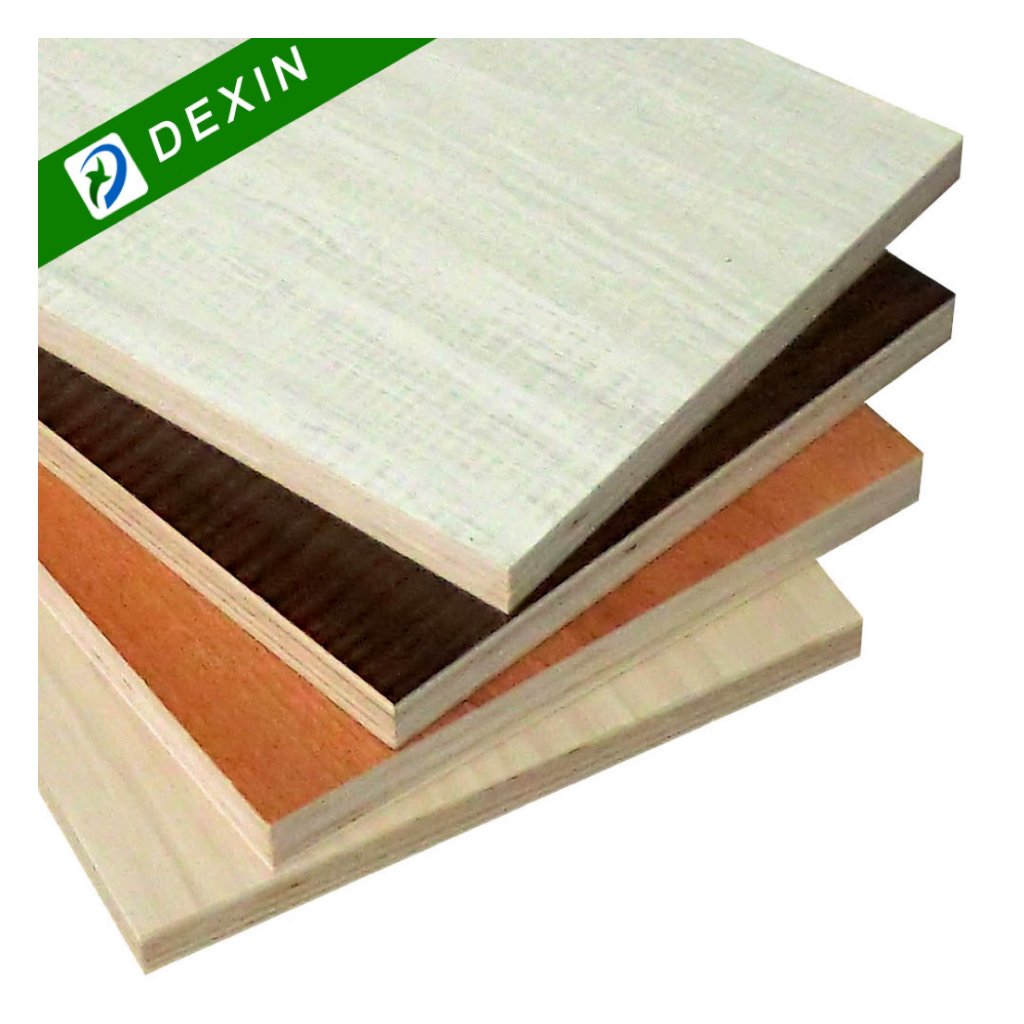
E0 Melamine Faced Plywood, 3–18 mm, 4x8 Sheets
A first-class E0 melamine plywood for wardrobes, kitchen cabinets and storage furniture. The plywood core gives dependable screw-holding for hinges, dowels and knock-down fittings, while the low-emission face supports interior projects where Polish specifiers request E1 or better. Specify matt, textured or woodgrain decor and single- or double-sided lamination.
View product details →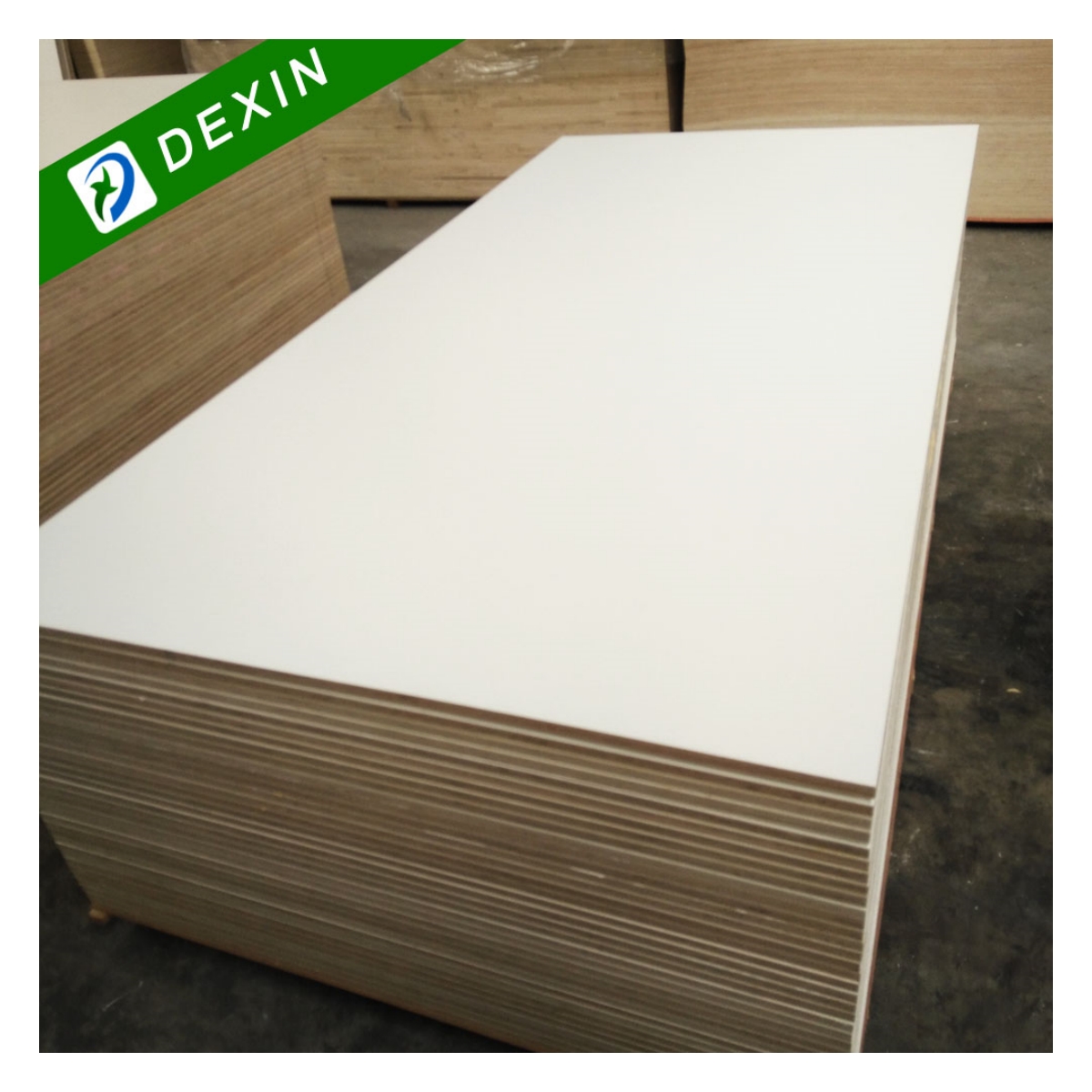
Teak, Oak and Maple Melamine Plywood, 6–18 mm
A woodgrain melamine plywood range for contract furniture, hotel casegoods and built-in joinery. Teak, oak and maple decor options allow Polish furniture plants to match warm European interiors without the cost and variability of natural veneer on every component. Use it for visible panels, shelving, door cores and mixed-material carcasses.
View product details →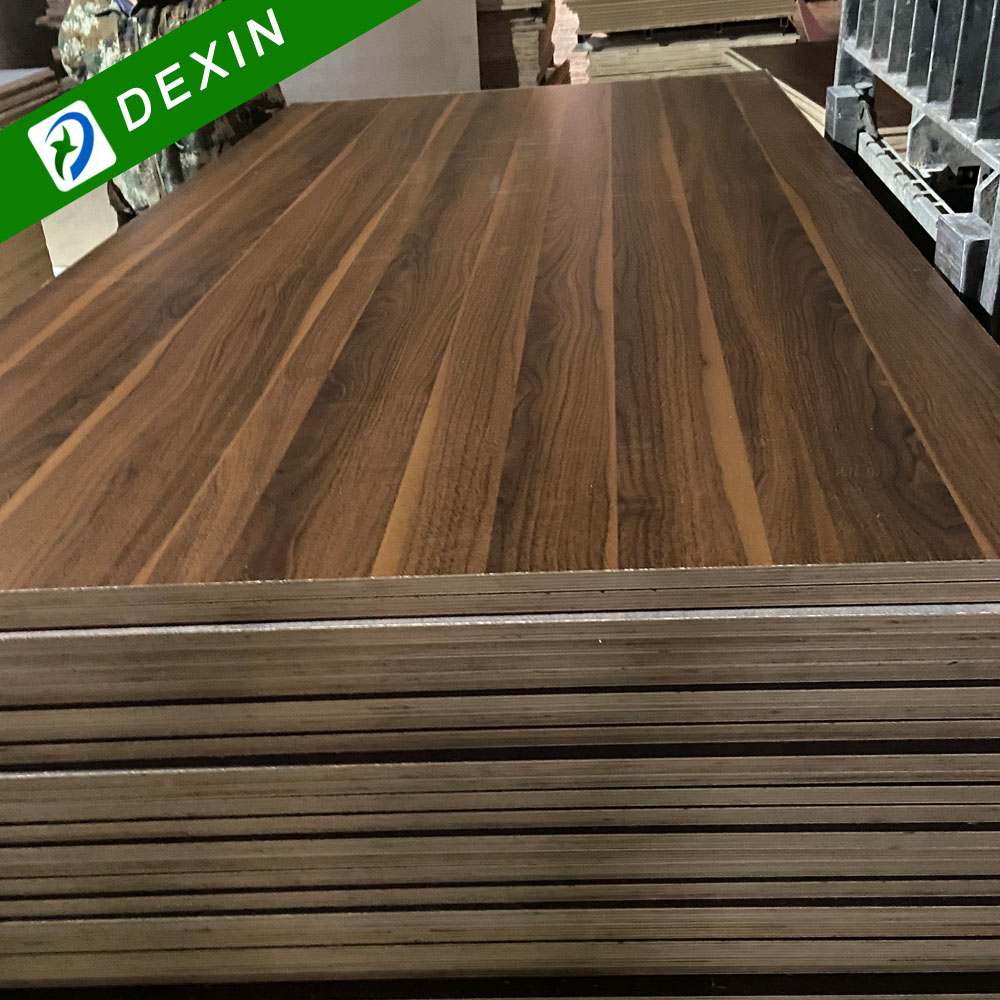
Waterproof 18 mm Melamine Faced Plywood
An 18 mm waterproof melamine plywood for kitchen units, utility cabinets, bathroom storage and contract furniture exposed to occasional moisture. The panel is suitable where Polish buyers need a hard-wearing decorative face plus a stronger core than standard MDF. Specify edge sealing and moisture-resistant matching edges for sink cabinets and service areas.
View product details →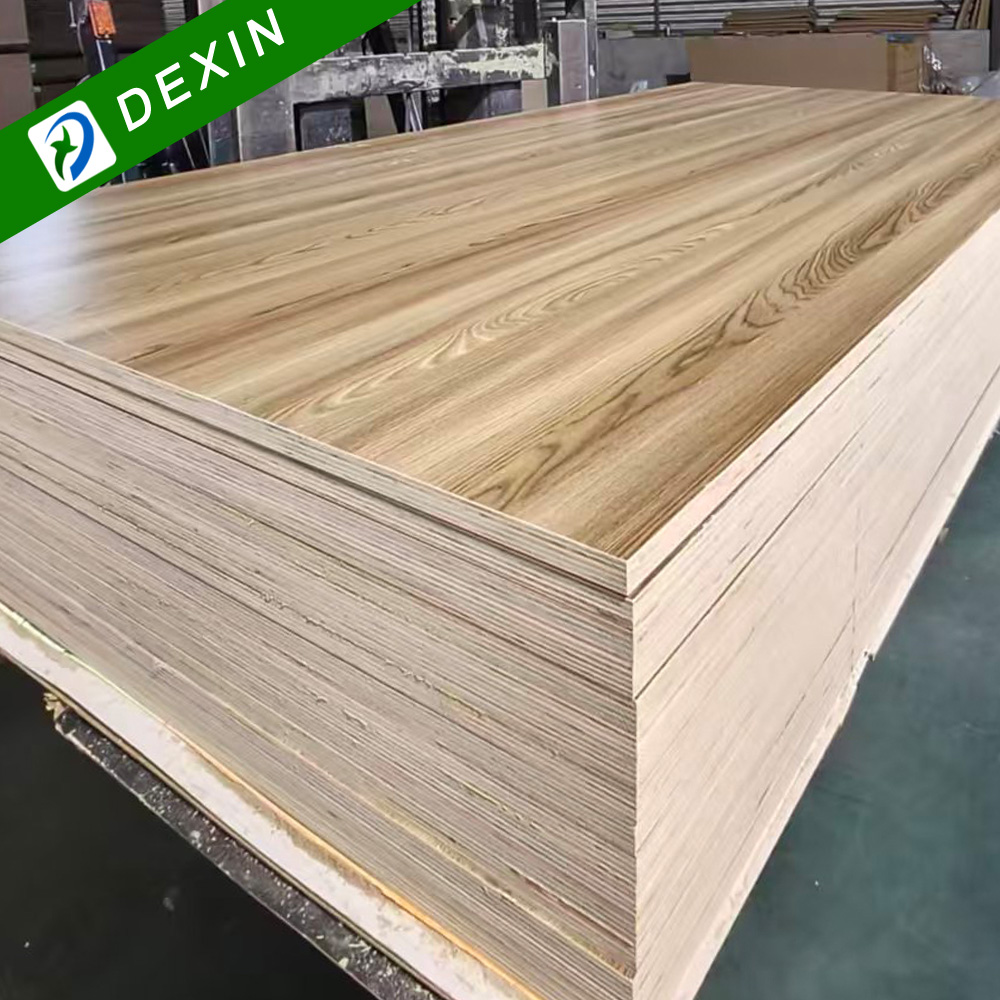
18 mm Marine Laminated Coloured Melamine Plywood
A colourful marine-laminated panel for hospitality furniture, apartment interiors and decorative joinery. Single- or double-sided melamine facings help Polish shopfitters achieve a consistent visual result across reception desks, bathroom vanities, bar fronts and fitted seating. The marine plywood construction is relevant where moisture exposure is higher than in dry office furniture.
View product details →
Eco-Friendly Melamine MDF Board, 12–18 mm
A smooth MDF substrate with single or double-sided melamine covering for cabinet doors, drawer fronts and wardrobe internals. MDF is a practical choice for Polish furniture factories using CNC routing, membrane pressing and edge-banding. The decorative face is available in modern white and neutral decors for handleless kitchen systems and built-in storage.
View product details →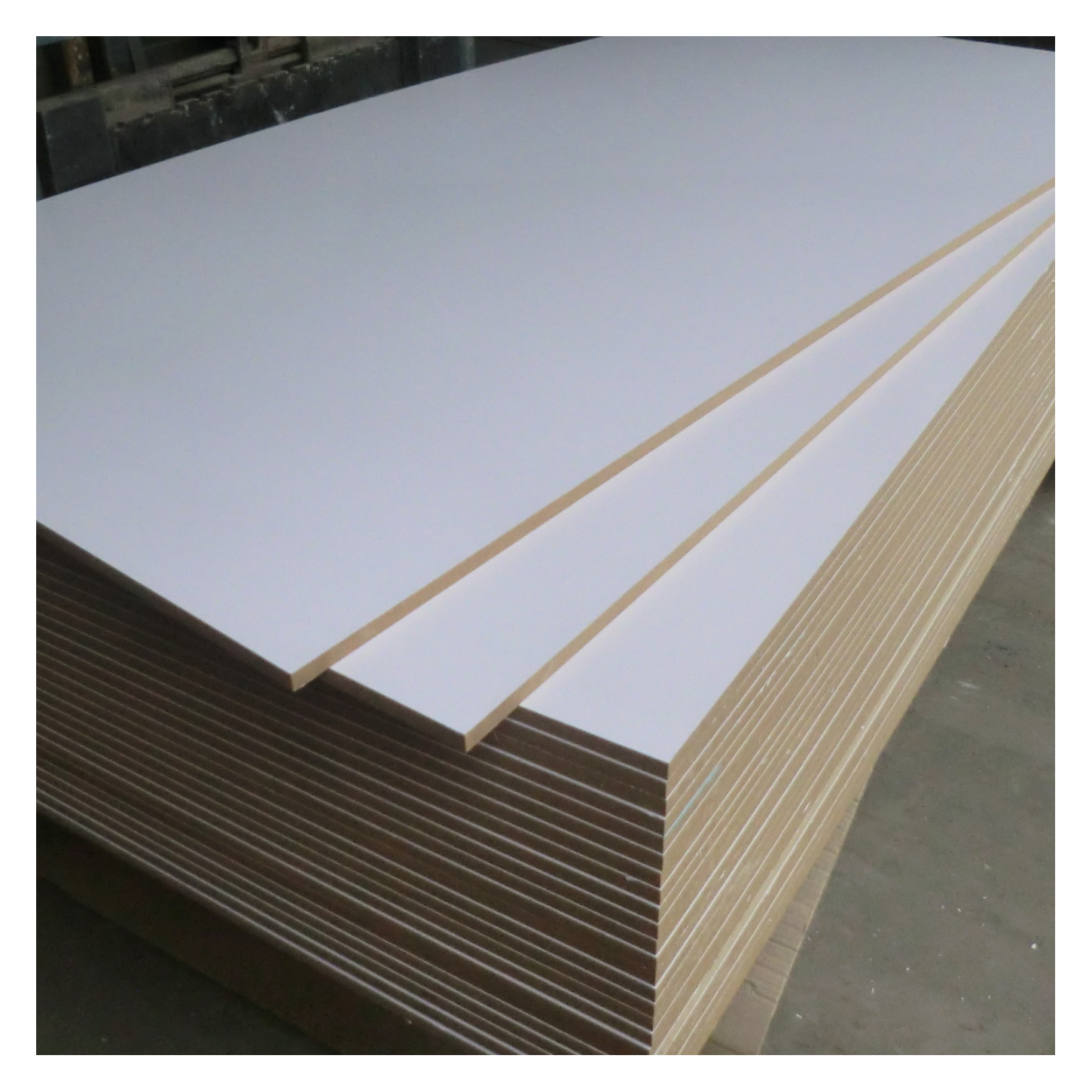
E1 Moisture-Proof Melamine MDF, 18 mm
A CE-certified melamine-faced moisture-proof MDF intended for kitchen furniture and other interior applications where humidity changes are part of daily use. The 18 mm board is often specified for sink cabinets, laundry units and bathroom vanities. Confirm the required edge treatment, face decor and batch documentation before placing a repeat order.
View product details →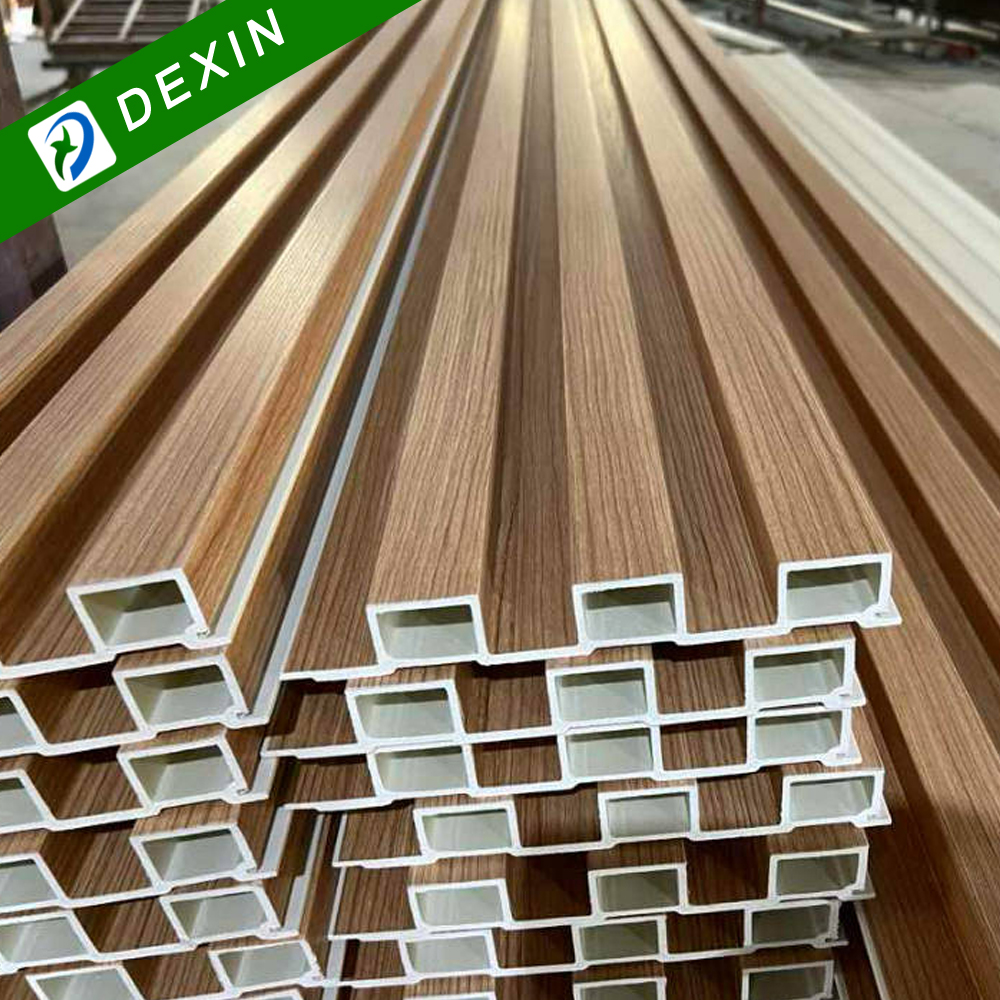
PVC / WPC Decorative Interior Wall Panels
A quick-install wall panel for hotel rooms, retail interiors, apartments and office feature walls. Woodgrain, stone and neutral finishes can help Polish fit-out contractors reduce wet trades and create a consistent look across repeated room modules. These panels are lightweight and practical for renovation work where access and installation speed matter.
View product details →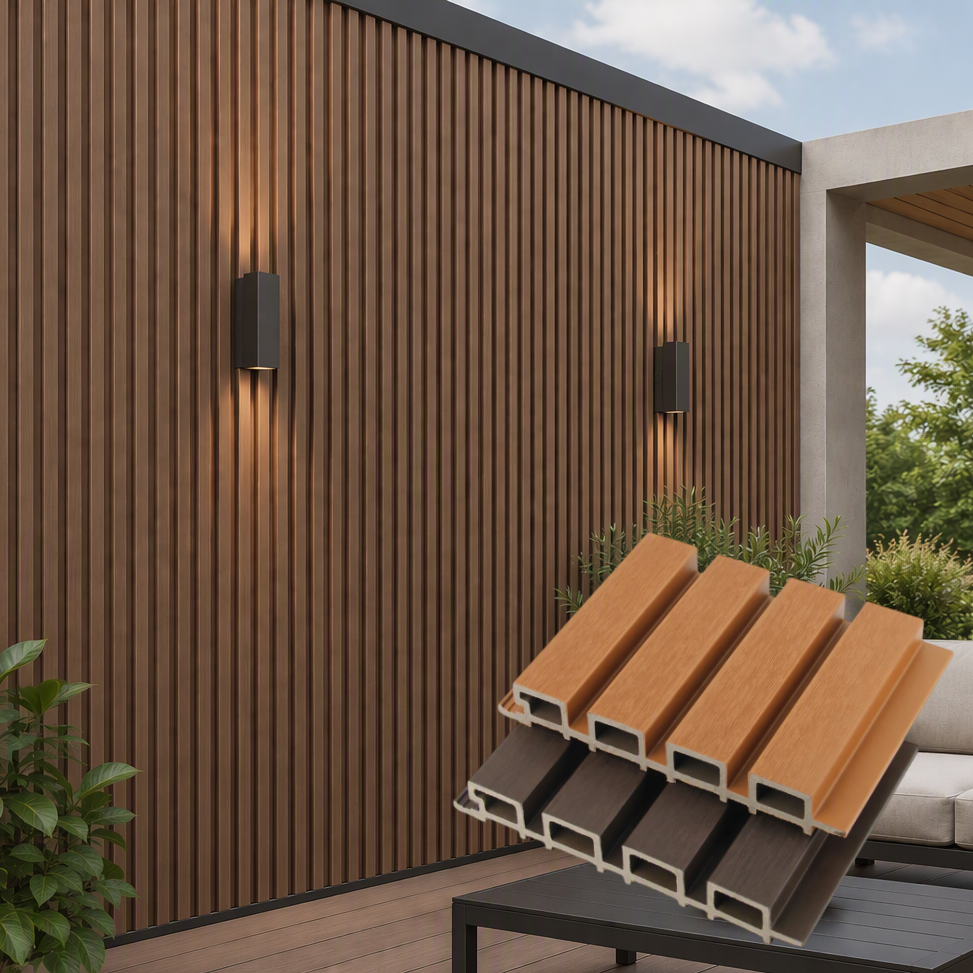
Co-Extruded Fluted WPC Wall Cladding
An outdoor WPC wall cladding with a fluted, textured facade for villas, terraces, hospitality buildings and landscaping features. Co-extruded WPC is chosen by specifiers looking for a timber-like appearance with lower maintenance than natural timber. Confirm substrate, fixing pattern, thermal movement and colour direction with our team before ordering.
View product details →What Polish Buyers Mean by “Veneered Plywood” and How to Specify It
In commercial sourcing, “veneered plywood” can describe natural wood veneer faced plywood or engineered decorative faces that reproduce the look of oak, teak, maple or stone. The right specification depends on the application, the visible surface, the required emission class and the way the board will be machined.
Start with the visible face
For Polish kitchen and wardrobe production, a repeatable melamine decor is often more important than a “real wood” claim. Ask for a physical sample, a batch reference and the direction of the grain before approving a repeat order.
Confirm the emission class
EU interior projects commonly ask for E1; E0 is often requested where the buyer wants additional reassurance. Do not rely on a certificate image alone. For project submittals, request a current test report reference that can be linked to the production batch.
Match the core to the use
Plywood is specified where screw-holding, impact resistance or a stronger core is needed. MDF is suitable for routed doors, painted components and smooth decorative surfaces. Moisture-proof MDF and marine plywood belong in kitchens, bathrooms and service areas.
Plan the container early
Polish importers often combine several thicknesses and decors in one shipment. Send your size, thickness, quantity, packing preference and destination port before finalising the order so the production schedule and loading plan can be confirmed together.
Where Veneer-Look and Decorative Panels Are Used in Poland
Poland’s furniture industry, contract interior sector and renovation market each have different expectations. A board that works for a high-volume wardrobe line may not be suitable for a hotel bathroom vanity or a retail feature wall.
Kitchen and wardrobe manufacturing
Polish cabinet makers use 18 mm melamine-faced boards for carcasses and 3–6 mm panels for backs and drawer bottoms. In coastal and moisture-prone locations, moisture-proof MDF and waterproof melamine plywood are preferred for sink units, laundry cabinets and utility furniture.
Contract and hospitality fit-out
Hotel, aparthotel and restaurant projects in Warsaw, Kraków, Wrocław, Poznań and the Tricity often need consistent decors across bedrooms, reception areas and bathrooms. Marine-laminated plywood and WPC wall panels help fit-out contractors keep site work fast and repeatable.
Retail and office interiors
Retail chains, co-working operators and office fit-out companies use fluted WPC, PVC wall panels and decorative boards to create branded feature walls. The key requirements are colour consistency, installation speed, easy cleaning and low site waste.
Renovation, wet rooms and utility spaces
Renovation projects in older Polish housing stock often require panels that can be cut accurately, installed quickly and maintained easily. Moisture-resistant boards and waterproof WPC panels are useful where existing walls are uneven and downtime must be minimal.
Four Trends Changing Panel Specification in the Polish Market
These trends do not replace basic technical requirements. They explain why Polish buyers increasingly ask for more complete documentation, more consistent decor matching and more flexible mixed-container sourcing.
Compliance evidence moves beyond paperwork
For EU-facing projects, E1 documentation, CE-related declarations where applicable, FSC claims and traceability information are reviewed more closely. Polish importers increasingly want batch-linked information rather than generic certificate images.
Warm oak and matte finishes lead
High-gloss surfaces still have a place, but matte, anti-fingerprint and natural oak-effect finishes are widely requested for kitchens, wardrobes and contract furniture. The commercial advantage belongs to suppliers who can repeat the same decor across shipments.
Moisture resistance is specified earlier
Kitchen and bathroom furniture buyers now ask about moisture-resistant cores, edge sealing and glue systems during the quotation stage. This is especially relevant to fitted furniture in apartments and hospitality projects where service life and callbacks matter.
Fast-install wall systems for renovation
Fluted WPC, PVC decorative panels and lightweight wall cladding are growing in renovation, retail and hospitality interiors. Contractors value reduced wet trades, predictable installation and a finish that can be repeated across multiple rooms.
Poland-Focused Inquiry Priorities
Indicative composition of recent Poland-oriented panel inquiries handled by KUDE’s export team. This is an internal sales view for planning discussions, not a market forecast.
Why KUDE Is a Reliable Panel Supplier for Polish Importers
A Poland-bound order is not only a product decision. It is a documentation, packaging, loading and communication decision. KUDE’s advantage is the combination of factory access in Linyi, export experience and a product range broad enough to support mixed furniture and fit-out orders.
Linyi KUDE International Trading Co., Ltd. is the export platform of a wood-based panel manufacturing group founded in 1998 in Linyi, Shandong, China’s largest wood-based panel production cluster. For Polish buyers, being inside this cluster means veneer, glue, core materials, pressing, laminating, sanding and packing are close together. That shortens the supply chain and makes it easier to consolidate a mixed order.
The group operates more than 30 sets of production machines in 30,000 m² of workshops, with over 300 workers and an annual output of 60,000 m³ of plywood, blockboard, MDF and particle board. We have more than 20 years of production experience and 15 years of export experience. Our principle is simple: survival by quality, development by prestige. Our manufacturing group holds CE, ISO 9001, ISO 14001, FSC and CARB certifications, and our supplier profile has passed an on-site assessment by SGS.
Factory-direct, not a blind trading layer
We coordinate production, lamination, sanding, inspection and export packing through our group’s Linyi manufacturing base. For standard product lines, this helps keep specifications, pricing and lead-time discussions connected.
Customisation with repeatability
We support sample-based, design-based and full customisation of size, thickness, core species, face veneer or decor, glue type, logo printing and export packaging. For Polish buyers, the key is to lock the approved sample before repeat production.
Export documentation and loading control
We work on FOB, CFR, CIF and EXW terms and accept T/T and L/C in USD, EUR or CNY. Orders can be loaded through northern China ports such as Qingdao, with seaworthy pallet packing and loading photos when agreed.
Practical quality communication
Thickness tolerance, flatness, bonding, surface defects and packaging are checked before shipment. We prefer to solve specification questions with samples, measurements and written confirmation rather than vague assurances.
 Panel production line
 Hot press workshop
 Quality inspection
 Export stock area
Quick Specification Matrix for Poland-Bound Panel Orders
Use this table to shortlist the right board before sending a specification. Values are typical production ranges; final tolerances, grades and test reports should be confirmed for each order.
| Product | Typical Size | Thickness | Core / Surface | Compliance Options | Recommended Use |
|---|---|---|---|---|---|
| E0 Melamine Plywood | 1220×2440 mm (4×8 ft) | 3–18 mm | Plywood core, melamine face | E0 / E1 options; project documentation on request | Furniture cabinets, wardrobes, storage |
| Teak / Oak / Maple Melamine Plywood | 1220×2440 mm | 6–18 mm | Plywood core, woodgrain melamine | E1 / E2 options; sample approval recommended | Contract furniture, hotel casegoods, joinery |
| Waterproof Melamine Faced Plywood | 1220×2440 mm | 18 mm | Waterproof plywood core, melamine face | Moisture-resistant specification; edge sealing advised | Kitchen units, utility cabinets, bathrooms |
| Marine Laminated Coloured Plywood | 1220×2440 mm | 18 mm | Marine plywood, coloured melamine | Single or double side; colour approval required | Hospitality, decorative furniture, vanities |
| Eco-Friendly Melamine MDF | 1220×2440 mm | 12–18 mm | MDF, white or decorative melamine | E0 / E1 options | Cabinet doors, drawer fronts, wardrobe internals |
| E1 Moisture-Proof Melamine MDF | 1220×2440 mm | 18 mm | Moisture-proof MDF, melamine face | E1; CE-related documents where applicable | Kitchen furniture, bathroom vanities, laundry units |
| PVC / WPC Interior Wall Panel | Profile dependent | Profile dependent | PVC / WPC composite, decorative film | Waterproof composite; fire documentation subject to project review | Hotel rooms, retail, offices, feature walls |
| Co-Extruded Fluted WPC Cladding | Custom length options | Profile dependent | Co-extruded WPC, textured finish | Outdoor use; fixing and movement details to be confirmed | Facades, terraces, hospitality exteriors |
Polish importers should confirm applicable CE marking, declaration of performance, E1 documentation, customs classification, VAT treatment and any anti-dumping or trade measures with their own technical consultant or customs broker.
From Raw Material Selection to a Poland-Ready Container
Every batch passes practical checkpoints before it leaves Linyi. The purpose is not to promise perfection, but to catch specification drift early and keep repeat orders consistent.
Material selection
Veneer, core and surface materials are reviewed against the approved specification before production.
Gluing & pressing
Glue spread, pressing cycles and panel build-up are controlled to support bonding and flatness.
Sanding & surfacing
Calibrated sanding, lamination or film overlay is checked for surface uniformity and decor consistency.
Inspection
Thickness, flatness, bonding, visual defects and quantity are checked before packing.
Packing & loading
Export pallets, corner protection, steel straps and container loading photos are arranged as agreed.
Common Questions from Polish Importers, Distributors and Contractors
These are the practical questions buyers ask before placing a first or repeat order. For project-specific requirements, send the intended use, destination port and required documentation with your inquiry.
What does “veneered plywood” mean in a Polish procurement context?
Which formaldehyde class and documents should a Polish importer request?
Can you supply 1220×2440 mm, 18 mm boards and mix products in one container?
What lead time should we plan for delivery to Poland?
Do you provide samples, and how do you control colour consistency?
How are panels packed for sea freight to Polish ports?
Which payment terms and Incoterms do you accept?
Can you support FSC, EUDR and customs documentation for Poland?
Build a Poland-Ready Panel Specification with KUDE
Send your required size, thickness, surface decor, emission class, quantity and destination port. Our export team will reply with a practical product recommendation, available documentation and a container plan for your Polish project.
Get Catalog