Walnut Veneered MDF Manufacturer & Supplier for the Milan Market
Factory-direct walnut veneered MDF for Milan architects, furniture makers, joinery workshops and contract buyers — engineered for colour consistency, clean CNC machining, balanced construction and EU-ready documentation.
Get CatalogWalnut Veneered MDF & Complementary Panels for Milan Projects
A walnut veneered MDF programme rarely depends on one board alone. It combines a stable MDF substrate, a selected walnut face, a balancing back, a finish system and export packing that survives the route to Milan. The eight product platforms below are the most common boards our Milan buyers and their fabricators combine with walnut veneer joinery.
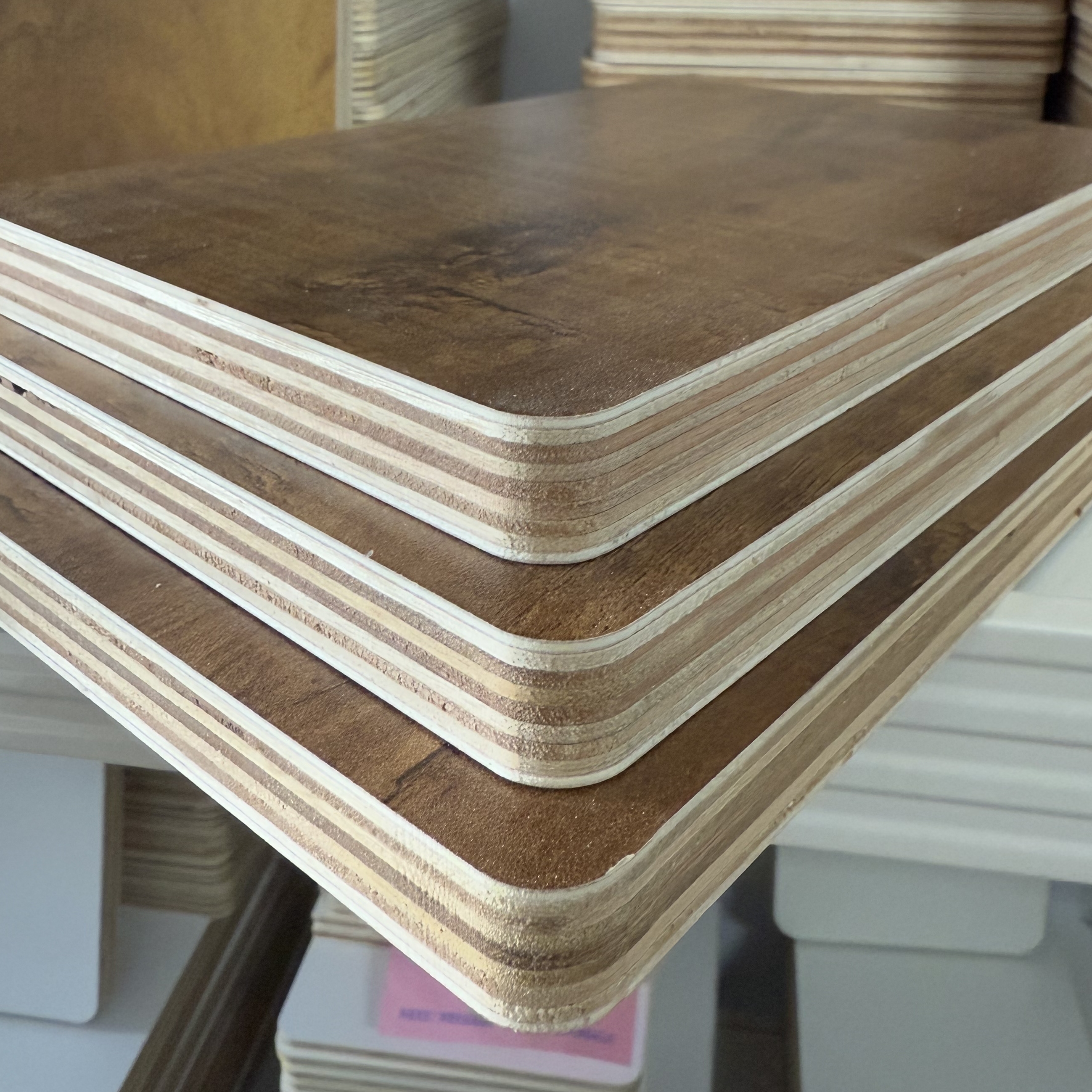
Waterproof White Wood Grain Melamine Plywood
A moisture-tolerant decorative plywood for wardrobe interiors, bathroom vanities and service joinery. Milan fabricators use it as a secondary surface where walnut veneer is reserved for visible doors and feature panels.
View product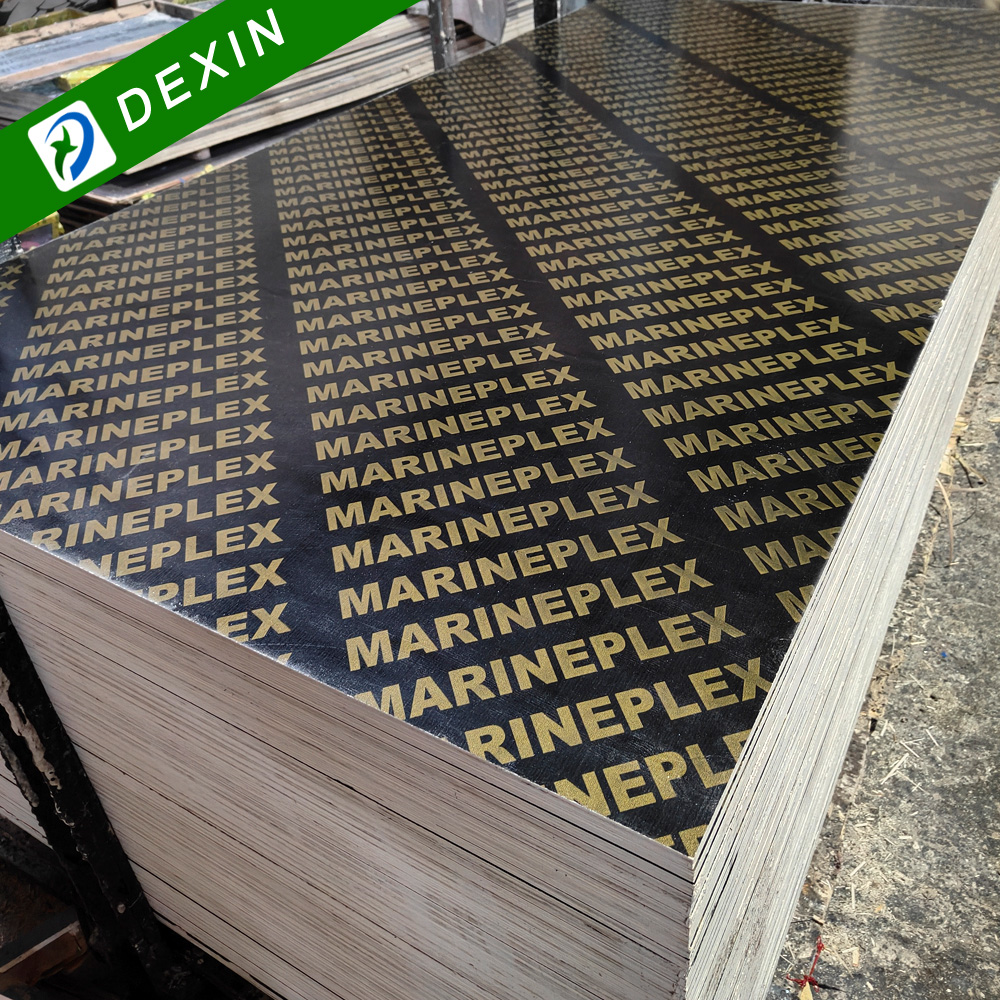
Black Film Faced Concrete Plywood
A reusable formwork board for renovation and site works. It protects programme-critical concrete finishes while walnut veneered MDF elements are machined off-site and prepared for installation.
View product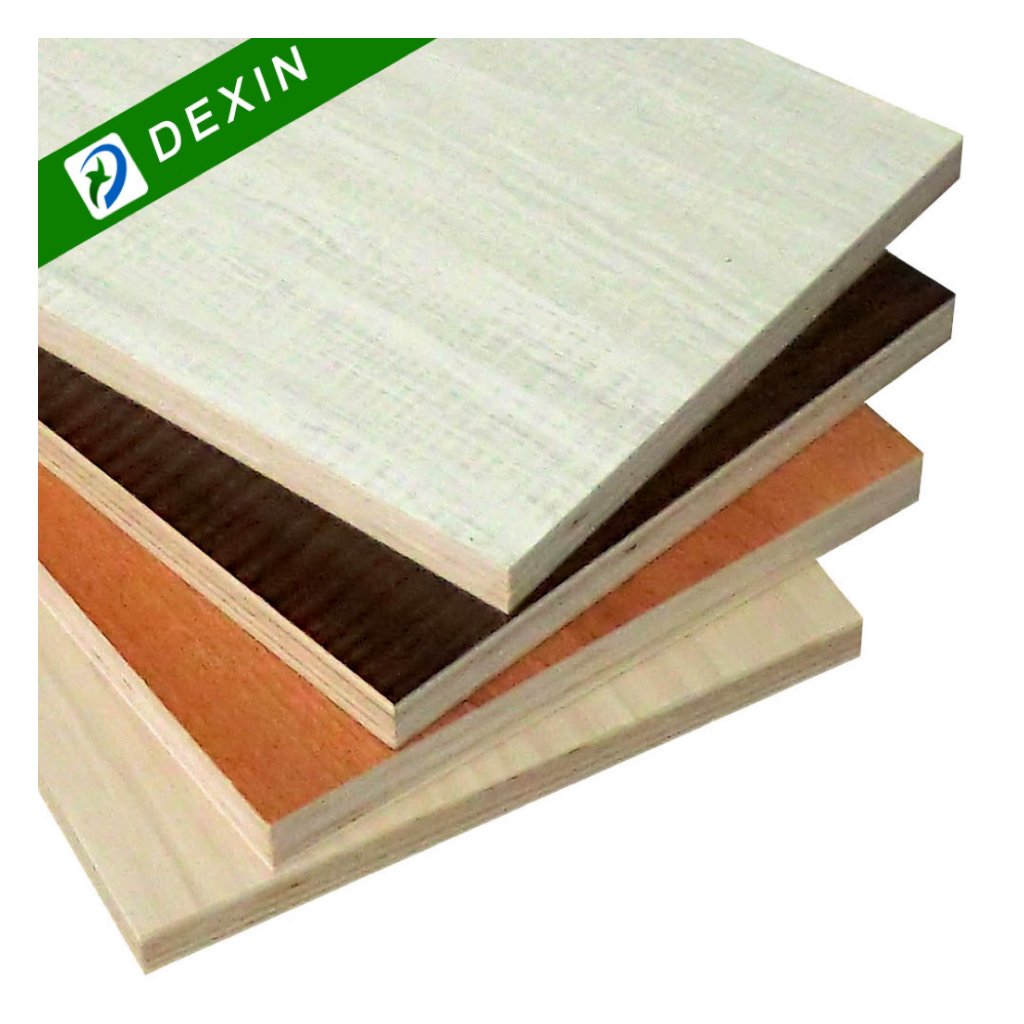
E0 Melamine Plywood for Furniture Cabinets
Low-emission cabinet carcass board for shelving, back panels and drawer boxes. When paired with walnut veneered MDF faces, it keeps the interior specification practical, clean and cost-controlled.
View product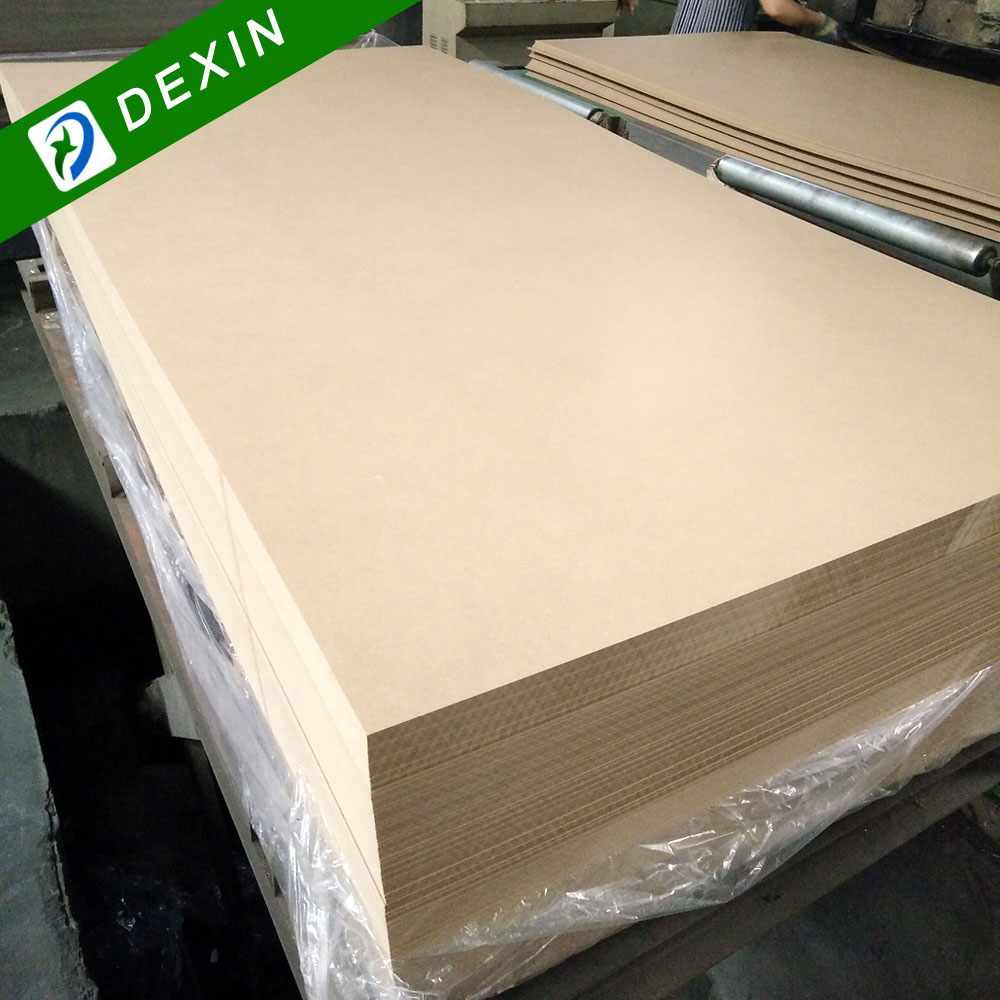
Raw / Plain MDF Board for Furniture Decoration
The substrate platform for walnut veneered MDF: calibrated raw MDF for veneer pressing, CNC routing, edge-banding and lacquer. Specify density, thickness and moisture-resistant grade according to the Milan project.
View product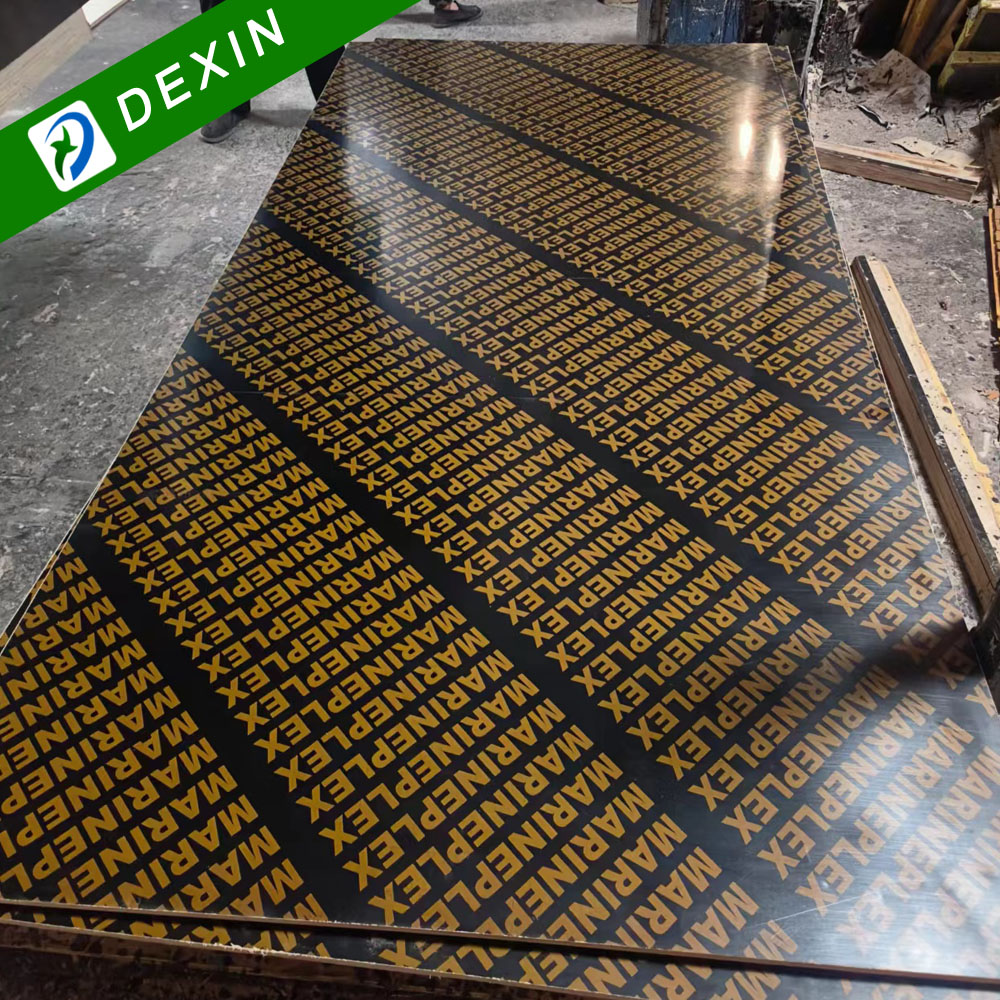
Film Faced Plywood for Construction Formwork
A construction-grade board for concrete formwork and temporary protection. Useful for contractors handling shell-and-core or retail fit-out works alongside fitted walnut veneered joinery.
View product
Melamine Coated Marine Plywood
A moisture-tolerant melamine board for kitchens, bathrooms and contract furniture. It can be combined with walnut veneer on visible fronts for a mixed-material specification with controlled cost.
View product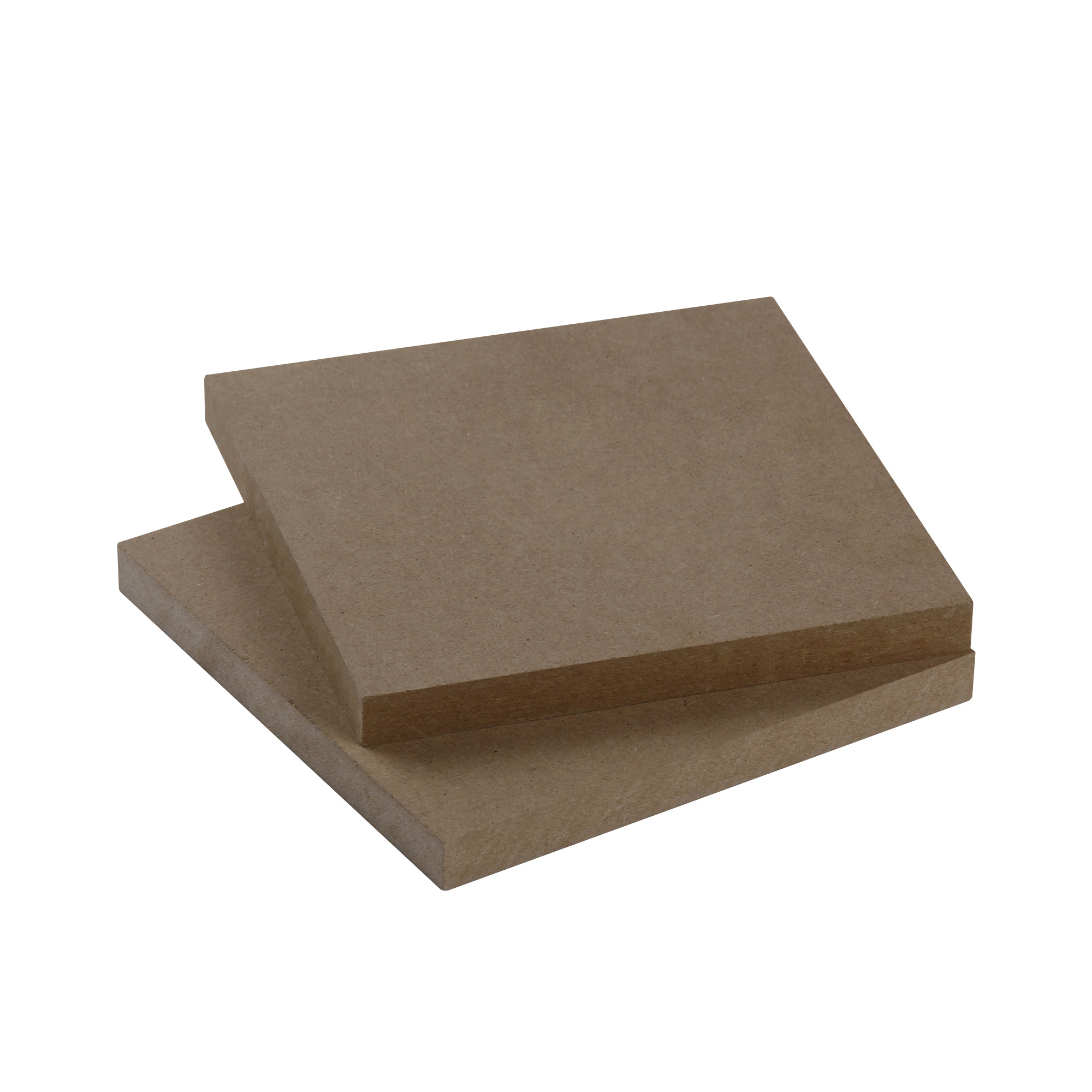
Moisture-Proof E2 Particle Board & MDF
A utility substrate and cost-controlled board for hidden components, packaging and interior build-ups. Emission grade and moisture protection are confirmed against project requirements before order.
View product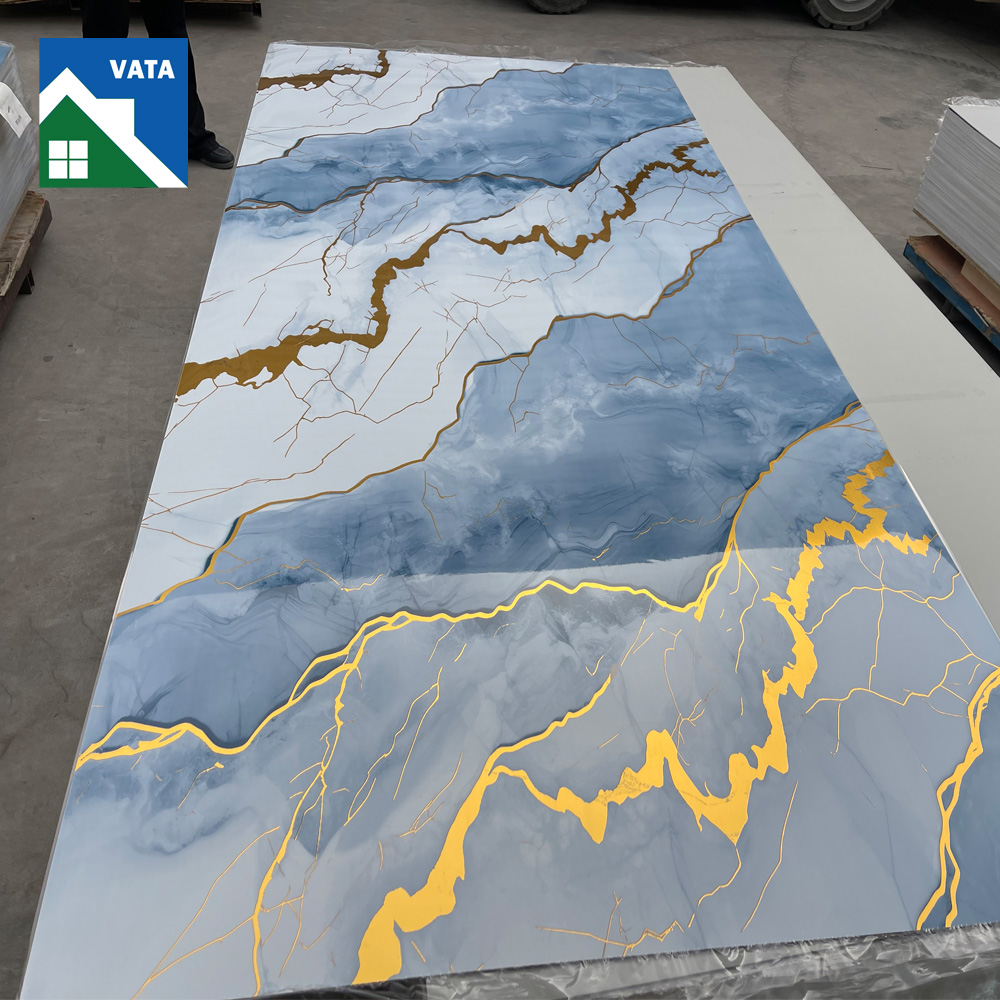
Customized High Glossy PVC / UV Wall Panel
A decorative wall panel for fast-install feature walls, TV backgrounds and retail displays. It complements walnut veneer schemes where a lighter or reflective accent surface is required.
View productFor a dedicated walnut veneered MDF quotation, send your panel schedule, veneer direction, substrate thickness, finish requirement and destination. We will return a technical proposal and catalogue.
Get CatalogWarm Walnut Aesthetics With the Stability Milan Fabricators Need
Walnut veneered MDF is a composite specification: the face is natural timber, the core is an engineered MDF substrate. For Milan projects, that combination solves a practical design tension. Architects want the warmth, figure and tactile quality of walnut. Fabricators need a panel that machines cleanly, holds edge details, accepts lacquer, and stays flat across wardrobe doors, bar fronts and wall panels. MDF gives the stable substrate. A properly selected walnut veneer gives the visual character.
The quality lives in the interface between them: veneer thickness, adhesive line, moisture conditioning, balancing veneer, pressing pressure and sanding control. Milan’s design-led market is unforgiving at the detail level. A door set may be viewed under raking light. A reception desk may need a continuous grain sequence across five panels. A retail fixture may need a matte open-pore finish that exposes rather than hides the veneer. These are not commodity board decisions.
KUDE’s manufacturing group was founded in 1998 in Linyi, Shandong, China’s largest wood-based panel cluster. We operate more than 30 machine sets across 30,000 m² of workshops, with 300+ workers and annual output of 60,000 m³. For walnut veneered MDF, that scale matters only when it is translated into specification control. We treat each order as a construction file: substrate grade, veneer lot, grain direction, matching method, backing, finish compatibility, packing and destination climate.
Because Milan sits at the centre of a design and contract furniture ecosystem — from Brera studios to the Brianza workshops — buyers rarely ask for a generic board. They ask whether the face will match the approved sample, whether the panel will machine without chip-out, whether the backing will balance internal stress, and whether the documentation is ready for European procurement. That is the standard we write the quotation against.
What a Milan-Ready Walnut Veneered MDF File Should Contain
- Substrate: raw MDF or HMR moisture-resistant MDF, with density and thickness confirmed for doors, panels or worktops.
- Walnut face: species, cut, colour range, veneer thickness and sequence/book matching requirement.
- Balancing: reverse veneer, melamine backer or balanced laminate to reduce bowing and finishing stress.
- Emission grade: E0, E1, E2 or CARB on request, matched to destination and project procurement.
- Finishing and packing: approved sample, finish trial, moisture barrier, corner protection and loading photos.
Where Walnut Veneered MDF Performs in the Milan Market
Milan buyers rarely purchase walnut veneered MDF as a standalone commodity. It enters a project through a design intent, a workshop method and a completion date. These are the three application scenarios we quote most often for the Milan market.
Luxury Residential Joinery in Brera, Porta Nuova and CityLife
Milan’s premium apartment market favours warm walnut for wardrobe fronts, kitchen islands, entrance joinery, wall panelling and integrated furniture. Walnut veneered MDF allows book-matched or sequence-matched door faces with a stable MDF core, so tall doors and wide panels remain more dimensionally predictable than solid walnut. Specify 18–22 mm substrate for doors, 8–12 mm for panel infills, and reverse-side balancing for wide surfaces.
Hospitality and Retail Fit-Outs in Navigli, Duomo and Quadrilatero
Hotel suites, restaurants, bars and retail displays need a repeatable finish under heavy use. Walnut veneered MDF can be produced with wear-resistant lacquer, edge-banding and concealed fixings. For bars and reception desks, the fabricator needs consistent thickness and clean CNC edges. We recommend tested sample panels and a finishing trial before the main order, especially when the design uses matte open-pore walnut or mixed materials.
Contract Furniture and Brianza Workshop Supply
The furniture district around Milan works with CNC programmes, edge-banding lines and flat-pack or assembled joinery. Walnut veneered MDF can be supplied as cut-to-size components, door blanks or full sheets. Clear grain direction, label sequence and packing order reduce waste in the workshop. For repeat programmes, we hold the approved veneer specification and colour range as a reference for replenishment batches.
Milan Trends Shaping Walnut Veneered MDF Demand
Milan’s influence is not limited to colour. It changes how buyers brief a panel: the finish, the grain sequence, the documentation and the replenishment model all become part of the specification.
Warm, Matte Walnut Tones
Milan’s current interior language is moving away from cold gloss toward tactile, low-sheen walnut. Buyers request natural walnut figure, matte lacquer, oil or open-pore finishes. This puts more attention on veneer selection and sanding quality because the finish cannot hide variation.
Curved and Radiused Joinery
Rounded islands, curved reception desks and soft-edged wardrobes require MDF substrates that route cleanly and hold shape. We discuss grain direction, substrate density and jig support before pressing, so the veneer follows the form without telegraphing substrate defects.
Sequence-Matched Surfaces
For feature walls and matched door sets, clients expect grain to continue across panels. We offer sequence matching, book matching and reverse-side balancing according to the design intent, with approval photos before pressing where the project requires it.
Documentation-Led Procurement
Milan architects and importers increasingly review emission grades, FSC claims and chain-of-custody paperwork before confirming a supplier. Our group holds CE, ISO 9001, ISO 14001, FSC and CARB credentials, with E0/E1/E2 options as applicable to the product.
Mixed-Material Specifications
Walnut veneer is often paired with stone, glass, metal or lacquered MDF. That means the walnut panels must be dimensionally consistent so adjacent materials align at reveals and shadow gaps. Thickness tolerance and flatness matter as much as face appearance.
Smaller Replenishment and Mixed Containers
Importers prefer to test a finish, then replenish in controlled batches. We support mixed containers across product lines after specification approval, subject to MOQ and veneer availability. This helps Milan buyers balance project cash flow and stock risk.
Walnut Veneered MDF Specification Guide for Milan Buyers
Use this table to shortlist the specification before requesting a quotation. It reflects typical production ranges; final tolerances, test reports and handling instructions are confirmed for each order.
| Parameter | Typical Milan-Relevant Option | Why It Matters |
|---|---|---|
| Substrate | Raw MDF or HMR moisture-resistant MDF; 15–25 mm typical | Core density and moisture resistance affect flatness, screw-holding and long-term stability in heated interiors. |
| Sheet Size | 1220×2440 mm, 1200×2400 mm, or cut-to-size | Align sheet size with CNC nesting, lift access and workshop handling before the veneer is pressed. |
| Thickness | 9, 12, 15, 18, 22, 25 mm | Doors usually need a thicker core; wall panels and cabinet infills can use thinner sections. |
| Walnut Face | Walnut veneer, 0.2–0.6 mm, sequence or book matched on request | Grain, colour and figure are the visible value of the product; the approved sample defines the acceptable range. |
| Backing | Reverse veneer, melamine backer or balanced laminate | Balancing reduces bowing and finishing stress, especially on wide door fronts and wall panels. |
| Adhesive / Emission | E0, E1 or E2; CARB on request | Emission grade must match destination-market procurement and the project’s indoor air quality requirements. |
| Finish Compatibility | PU, UV, water-based lacquer, oil or wax by the finisher | The finish system should be tested on the approved veneer sample to confirm colour, sheen and open-pore effect. |
| Packing | Seaworthy pallets, moisture barrier, corner protection, labels and loading photos | Protects panels on the Qingdao–Genoa / La Spezia route and supports smooth receipt in Milan. |
*Typical production target. Final tolerance, grade and documentation are confirmed per order and product line.
Why Milan Buyers Work With KUDE
For walnut veneered MDF, supplier selection is a risk decision. The buyer needs a factory that can hold a veneer specification, document the substrate, protect the panels in transit and answer technical questions before the container is loaded.
Factory-Direct Manufacturing Depth
Founded in 1998, the group runs 30+ machine sets across 30,000 m² of workshops with 300+ workers and 60,000 m³ annual output. This gives buyers direct control over substrate, pressing, sanding and packing.
Compliance and Quality File
CE, ISO 9001, ISO 14001, FSC and CARB credentials; SGS on-site assessment; E0/E1/E2 grades as applicable. Batch inspection, production photos and loading photos are available for buyer review.
Veneer and Substrate Customization
Sample-based, design-based and full customization: size, thickness, core, walnut face selection, matching method, backing, glue, logo printing and export packaging.
Export Logistics for Milan
FOB, CFR, CIF and EXW terms; T/T and L/C in USD, EUR or CNY. Loading through Qingdao with seaworthy pallets, then shipping to Genoa, La Spezia or Trieste and onward road transport to Milan.
What Factory Photos Should Prove to a Walnut Veneered MDF Buyer
The factory photos show what a catalogue cannot: press capacity, sanding control, warehouse discipline and loading practice. For a walnut veneered MDF order, ask for the substrate batch record, veneer lot photos, press parameters, approved sample and pre-shipment loading photos. That is the evidence trail Milan buyers should expect.



Walnut Veneered MDF FAQ for Milan Buyers
These are the questions our export team receives most often from architects, importers and fabricators sourcing walnut veneered MDF for the Milan market.
Can you manufacture walnut veneered MDF to a Milan architect’s finish schedule?
What is the MOQ, and can we combine products in one container?
How do you control veneer colour and grain matching?
Which certifications and emission grades are available?
How are goods packed and shipped to Milan?
What samples and lead times should we expect?
Request a Milan-Specific Walnut Veneered MDF Quotation
Send your panel schedule, veneer direction, substrate thickness, finish requirement, quantity and destination. Our export team will reply with a technical proposal, packing plan and catalogue for the Milan market.
Get Catalog