White Melamine Chipboard Factory & Exporters in Yemen
A practical buyer’s guide for Yemeni importers, furniture workshops, contractors and distributors sourcing white melamine chipboard, melamine MDF, marine plywood and formwork products from China.
What White Melamine Chipboard Really Means for Yemeni Buyers
In international panel trading, “chipboard” usually means particleboard. “White melamine chipboard” is a particleboard core faced with white melamine-impregnated paper. It is not the same as solid wood, MDF or marine plywood, and it is not automatically waterproof. For Yemen, the specification matters as much as the price.
White melamine chipboard is popular because it gives a clean, bright and repeatable interior finish at a lower cost than veneered plywood or painted MDF. For kitchen carcases, wardrobes, study desks, shop counters, office storage and school furniture, a well-pressed 18mm white melamine particleboard can deliver a practical balance of flatness, screw-holding and surface consistency. The white decor also helps reflect light in interiors, which is useful in homes and commercial spaces where natural daylight is limited.
However, Yemen presents two different climate profiles. In coastal cities such as Aden, Hodeidah and Mukalla, heat and humidity are constant concerns. In highland markets such as Sana’a and Taiz, dry air and strong sunlight can affect storage and installation conditions. A standard interior chipboard may perform well inside a dry wardrobe, but it should not be treated as a wet-area board. For sink cabinets, bathroom vanities and exposed coastal projects, specify a moisture-resistant core, sealed edges, and consider marine plywood or compact laminate where direct water contact is likely.
The strongest buyers do not simply ask for “18mm white board.” They define the core, density, melamine paper, glue line, edge sealing, formaldehyde grade, thickness tolerance and packing method. That is the difference between a low-cost shipment that creates complaints and a repeatable material that keeps fabricators, retailers and project owners satisfied.
Chipboard vs MDF
Particleboard is economical for flat cabinet parts. MDF is denser and smoother for routed edges, painted doors and fine profiles. Use each material where its strength makes sense.
Moisture awareness
“Waterproof” is often used loosely. For humid coastal interiors, ask for moisture-resistant glue, sealed edges and realistic guidance on where the board should not be used.
White decor consistency
White is not a single colour. Buyers should confirm paper shade, gloss level, texture and batch matching before mixing boards into one furniture project.
Container logic
Mixed loads of board, edge banding, formwork beams and MDF let distributors spread freight cost and test several product lines in one shipment.
8 Factory-Direct Panel Products for Yemeni Importers
These are practical options for furniture production, interior fit-out, retail display, construction formwork and distribution. Product links are preserved from the original range so buyers can review specifications and request samples.
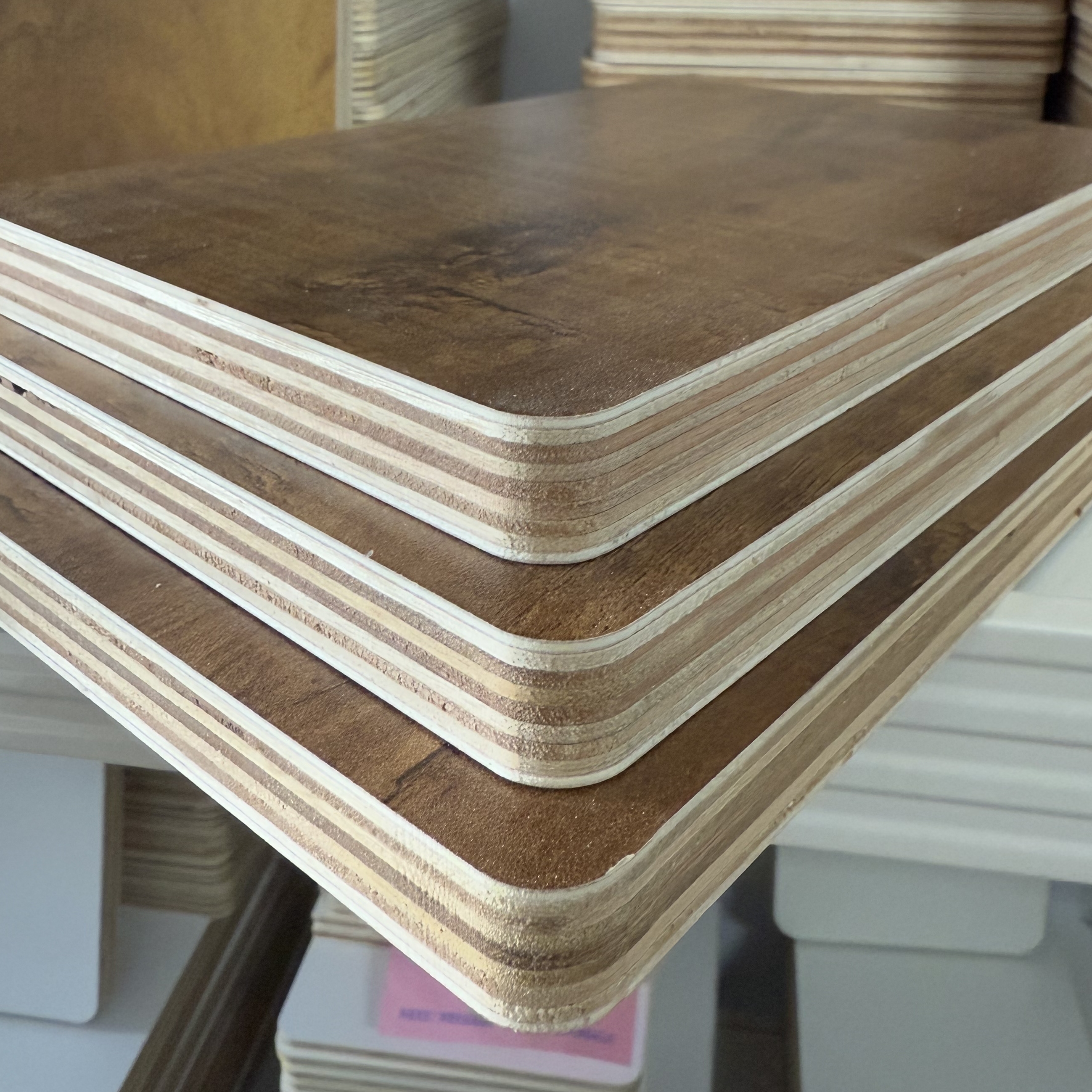
Waterproof White Wood-Grain & Marble-Grain 4×8 18mm Melamine Plywood
A marine-laminated plywood with white wood-grain or marble-grain melamine face. The plywood core offers better screw-holding and moisture tolerance than standard chipboard, making it suitable for kitchen carcases, hotel furniture and vanities where occasional humidity is expected. Confirm face decor, glue type and edge sealing before ordering.
- 4×8
- 18mm
- Marine glue
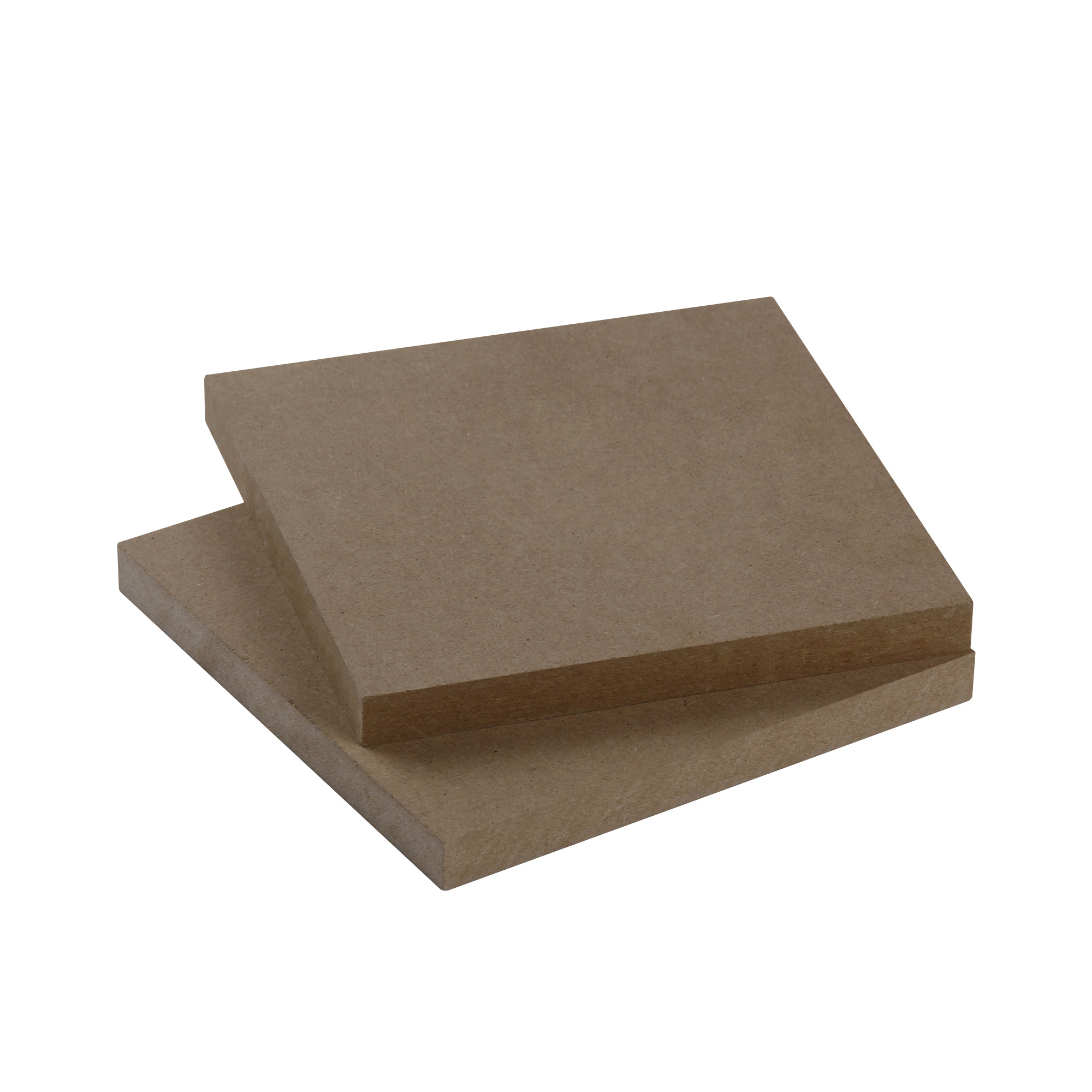
Dexin First-Class Plain Particle Board & MDF E2 Moisture-Proof
A cost-controlled substrate for buyers who laminate locally. Plain particleboard and MDF can be faced with white melamine in Yemen by workshop suppliers, or supplied as part of a mixed container. E2 is selected where local regulations and end-use allow; for enclosed interiors, E1 or E0 should be considered whenever possible.
- E2
- Moisture-proof
- Mixed load
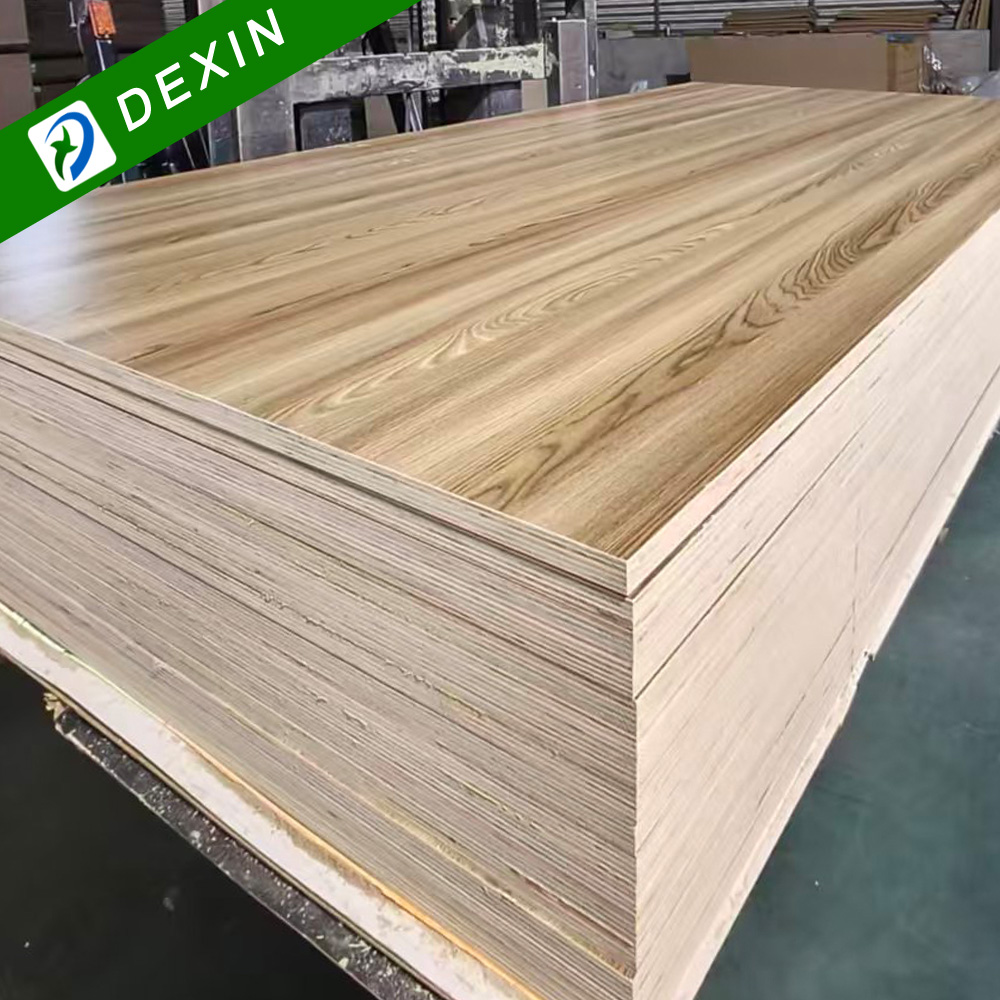
18mm Colourful Melamine-Faced Marine Plywood for Furniture
Single- or double-sided colourful melamine on marine plywood for furniture decoration, shop counters and fitted interiors. The decorative surface reduces finishing time and supports repeatable colour matching across a project, while the plywood core gives structural confidence where ordinary chipboard is not suitable.
- 18mm
- Single/double
- Furniture
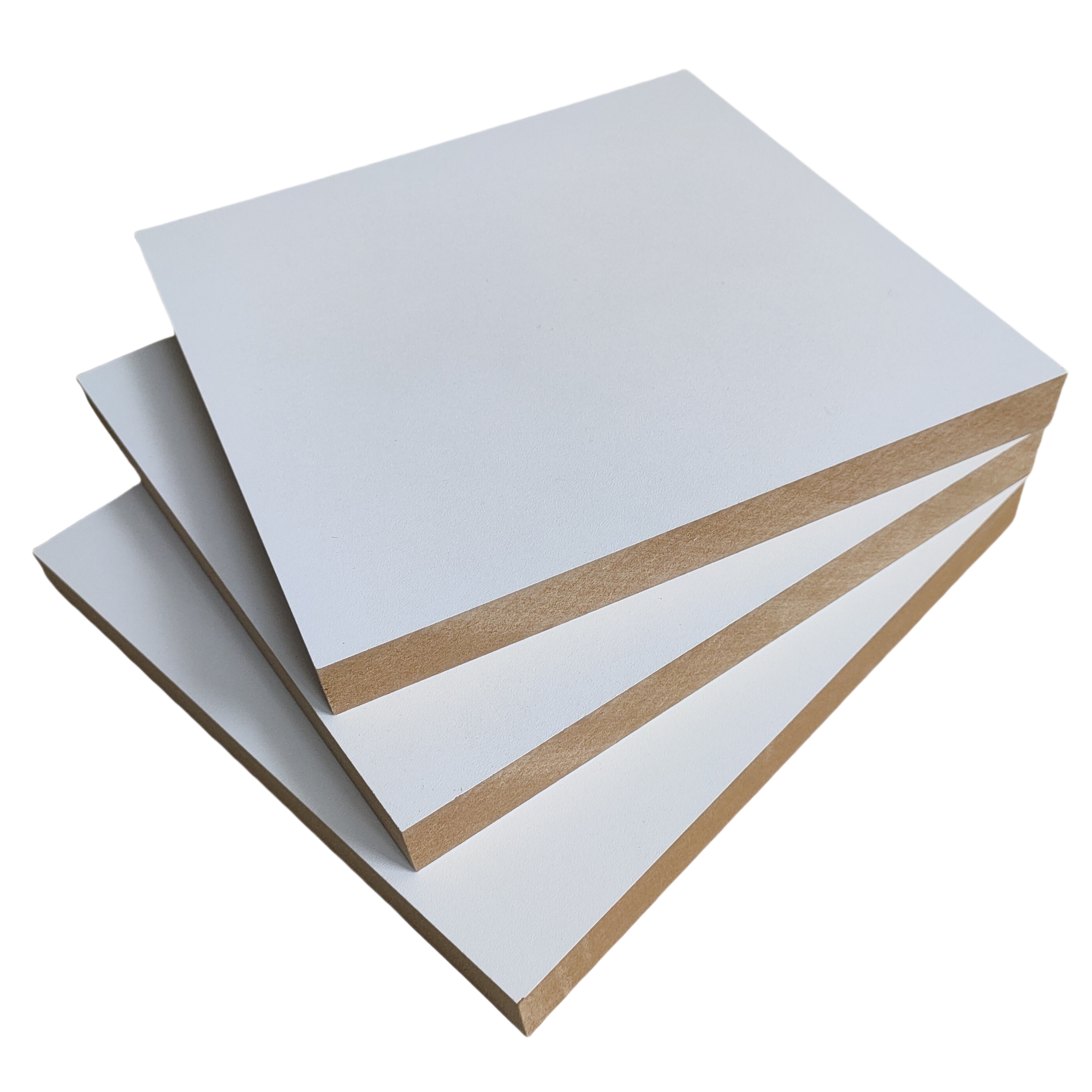
18mm White Melamine MDF/HDF Kitchen Board E1
A dense, smooth white melamine MDF/HDF for kitchen cabinets and wardrobe doors that need clean edges and a consistent white surface. MDF accepts routing and edge banding well. For sink cabinets and coastal projects, specify a moisture-resistant core and sealed edges rather than relying on the decorative face alone.
- E1
- 18mm
- Kitchen use
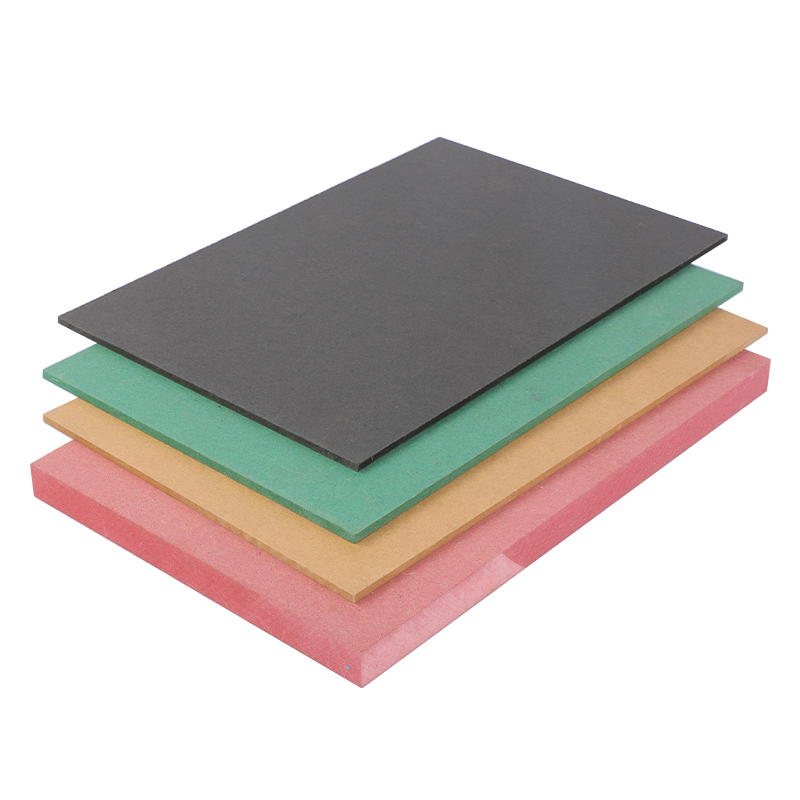
High-Quality 3mm–18mm Raw/Plain MDF Sheet
Raw MDF for local lamination, painting and CNC routing. The thickness range supports drawer bottoms, cabinet backs, door skins, display fixtures and other interior components. Buyers with their own press or lamination line can import raw MDF and apply white melamine locally for greater flexibility.
- 3–18mm
- Raw
- CNC ready
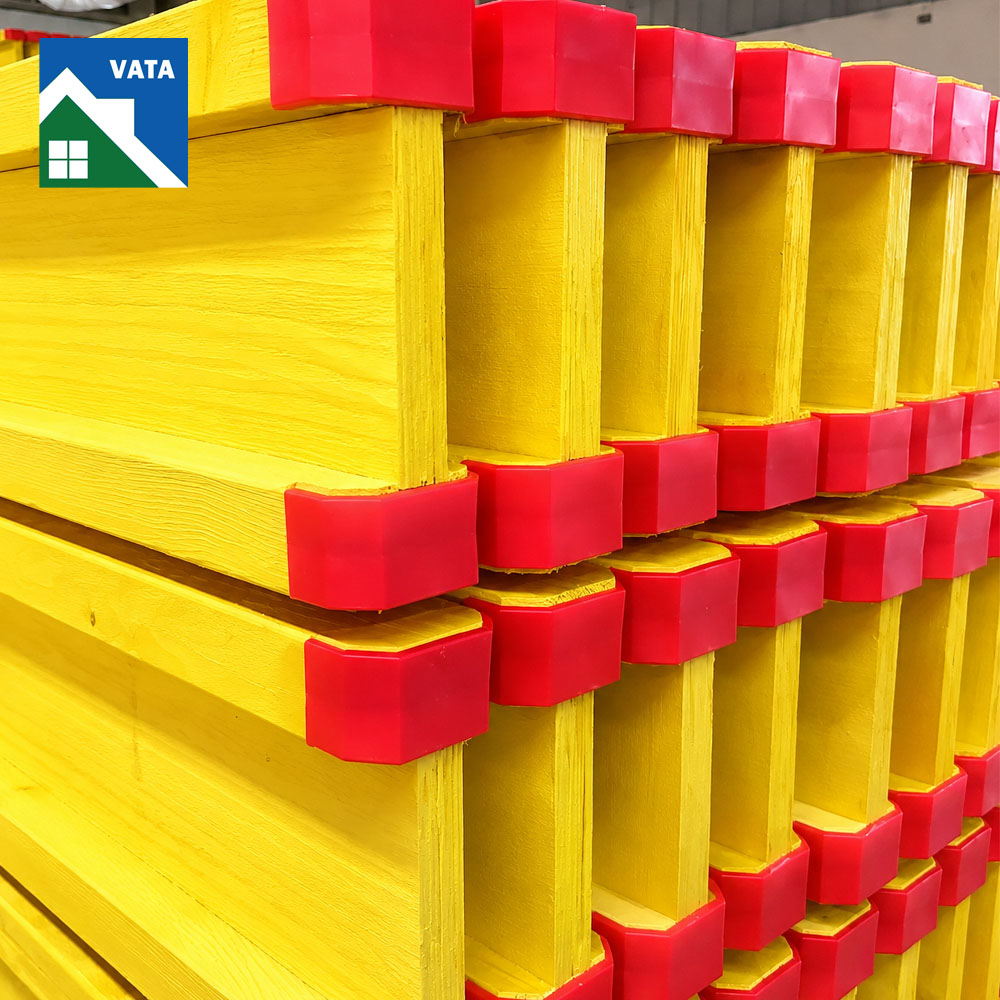
Heavy-Duty Spruce H20 Slab Formwork Beams
For construction contractors, H20 beams support slab formwork and concrete pours. This is a practical companion product for importers serving both interior fit-out and building projects. Bundle with film-faced plywood to create a complete formwork package for local contractors.
- Spruce
- H20
- Reusable
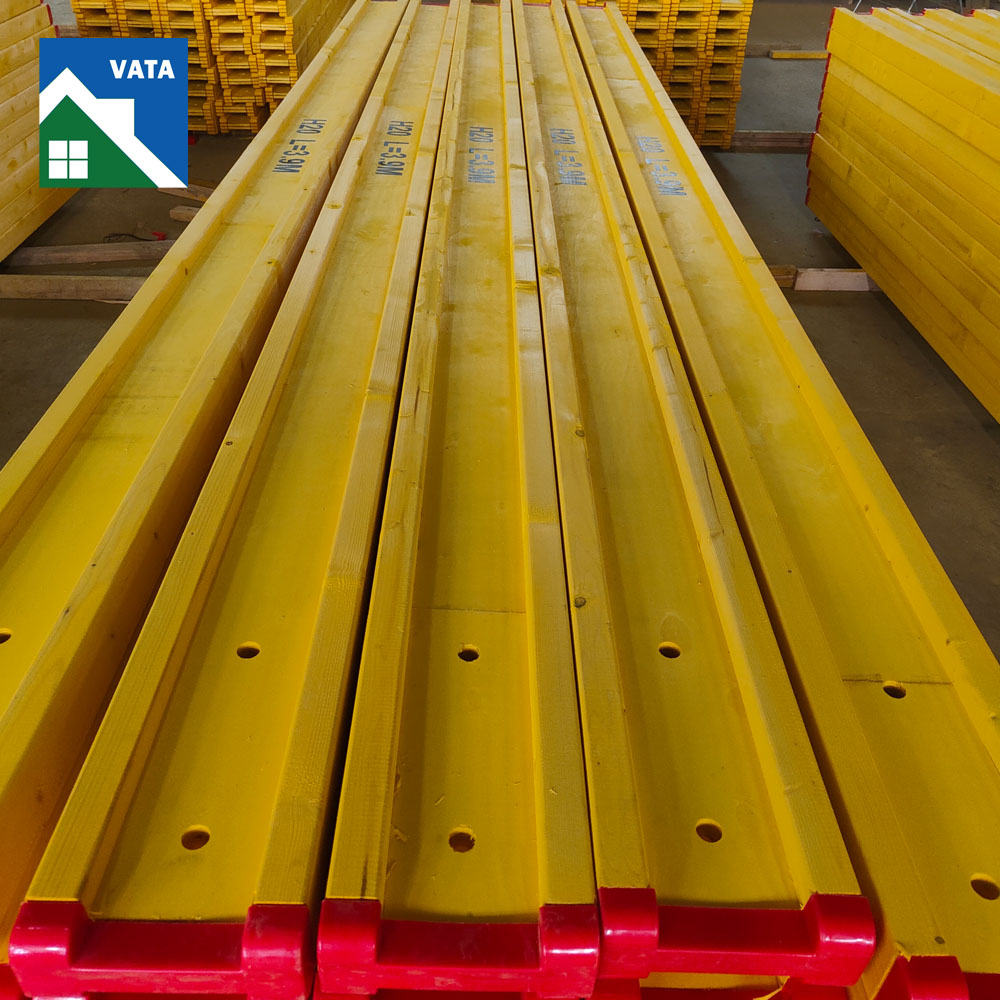
Reusable Yellow-Painted H20 Wooden Formwork Beam
Yellow-painted H20 beams with plastic end caps improve site visibility and protect beam ends during handling. The reusable design helps contractors manage cost per pour. Specify lengths, quantities and load plan together with your container plan to avoid wasted space.
- Reusable
- Plastic caps
- Construction
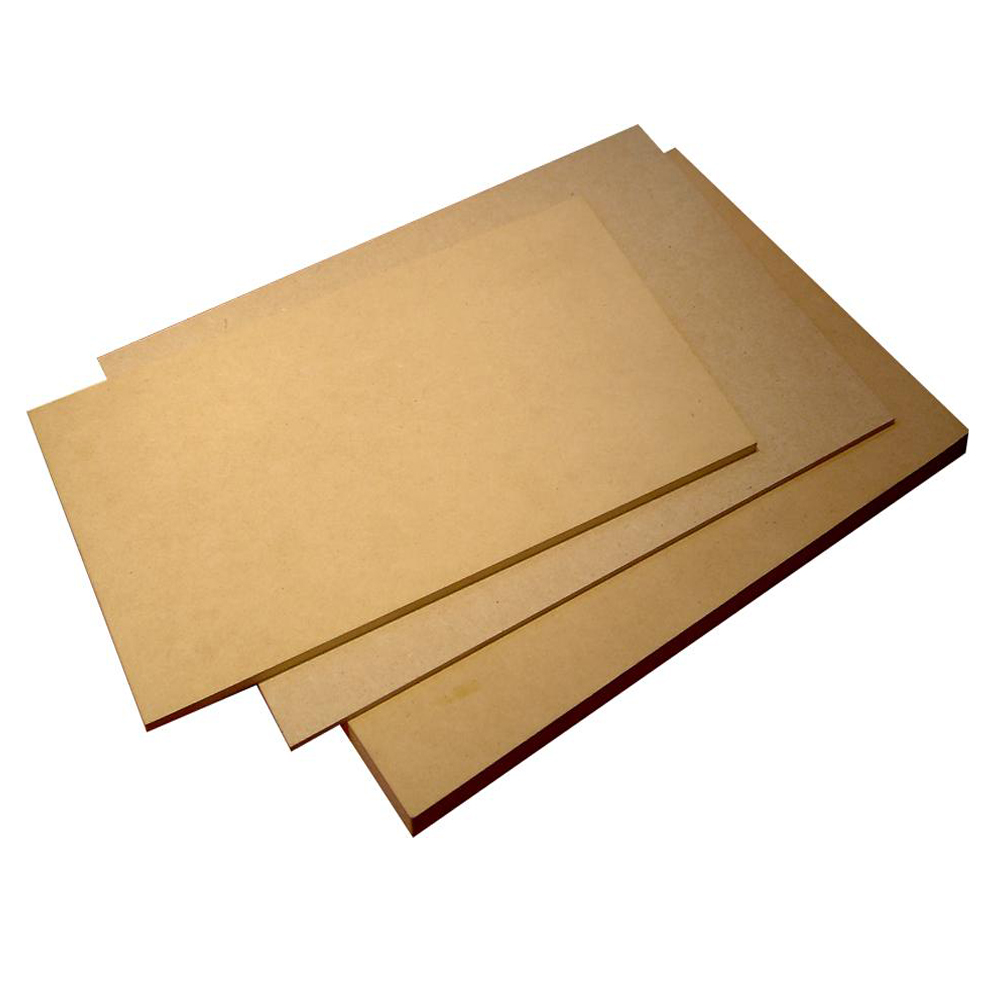
E0/E1/E2 Glue Raw Thailand MDF Board
Raw Thailand MDF in E0, E1 or E2 glue grades for furniture factories and distributors. Useful for buyers who need a known emission grade at a competitive price. Pair raw MDF with white melamine faced boards in the same container to balance cost and finished-product demand.
- E0/E1/E2
- Raw
- Thailand MDF
Where White Melamine Chipboard Performs Best in Yemen
The strongest use cases are dry interior environments where consistent appearance, fast fabrication and controlled cost matter. The same board should not be specified blindly for every room.
Kitchens, wardrobes and home storage
White melamine chipboard is widely used for wardrobe carcases, shelves, drawer boxes and kitchen cabinet internals. In coastal cities, specify moisture-resistant core, sealed edges and a ventilated installation gap. Use white melamine MDF for door faces that need routing or a smoother edge, and consider marine plywood for sink bases or areas with possible leaks.
Retail, office and hospitality fit-out
Shops, pharmacies, offices, hotels and cafés need clean surfaces that can be replicated across multiple units. White melamine board helps fabricators produce counters, display fixtures and storage systems quickly. For high-wear counters, combine decorative board with HPL top layers or solid compact surfaces rather than relying on melamine paper alone.
Schools, clinics and institutional furniture
Institutional projects value easy cleaning, repeatable white colour and replaceable panels. Use E1 or E0 grades where available, impact-resistant edging and moisture-resistant board in humid locations. Batch consistency matters: request one production lot for large projects to avoid visible shade differences between classrooms or departments.
Local Market Trends Shaping White Melamine Board Imports
Yemeni buyers are becoming more specific about moisture performance, emission grades, container efficiency and after-sales support. Price remains important, but repeat orders depend on consistency.
Modular kitchens and flat-pack furniture
Fabricators are moving toward standardised cabinet modules, CNC cutting and ready-to-assemble furniture. This increases demand for consistent 18mm thickness, flat panels and predictable density. White remains the preferred decor because it matches modern kitchen and wardrobe designs and helps local workshops reduce finishing time.
Humidity-aware specification
Buyers in Aden, Hodeidah and Mukalla increasingly ask about moisture-resistant cores and edge sealing. The lesson is practical: melamine paper is a decorative surface, not a waterproof membrane. For real wet areas, use marine plywood, compact laminate or a suitable waterproof system, and keep chipboard for dry interiors.
Lower-emission and documentation-led purchasing
E1 and E0 grades, CE, ISO, FSC and CARB documentation are becoming part of buyer conversations, especially for projects with international specifiers. At the same time, distributors want mixed containers: white board, raw MDF, H20 beams, edge banding and hardware in one shipment to spread freight cost and reduce stock risk.
Why KUDE Is a Practical White Melamine Chipboard Partner for Yemen
Linyi KUDE International Trading Co., Ltd. is the export platform of a wood-based panel manufacturing group founded in 1998 in Linyi, Shandong — China’s largest wood-based panel production cluster. That location gives buyers access to veneer, glue, core materials and supporting suppliers within a short supply chain.
Factory scale since 1998
The group operates more than 30 sets of production machines in 30,000 m² of workshops, with over 300 workers and an annual output of 60,000 m³ of plywood, blockboard, MDF and particle board. Production experience exceeds 20 years, with 15 years of export experience.
Verified quality system
CE, ISO 9001, ISO 14001, FSC and CARB certifications are part of the manufacturing group’s quality platform, with on-site assessment by SGS. Formaldehyde grades E0, E1 and E2 are available according to product and destination market requirements.
Flexible customization
Sample-based, design-based and full customization are available for size, thickness, core species, face veneer or melamine decor, glue type, logo printing and export packaging. MOQ typically ranges from 50 to 500 sheets, and multiple products can be combined in one container after specification confirmation.
Export-ready logistics
FOB, CFR, CIF and EXW terms are supported with T/T and L/C payment in USD, EUR or CNY. Goods are shipped through northern China seaports such as Qingdao, using seaworthy pallet packing, steel straps, corner protection and loading photos for buyer confirmation.



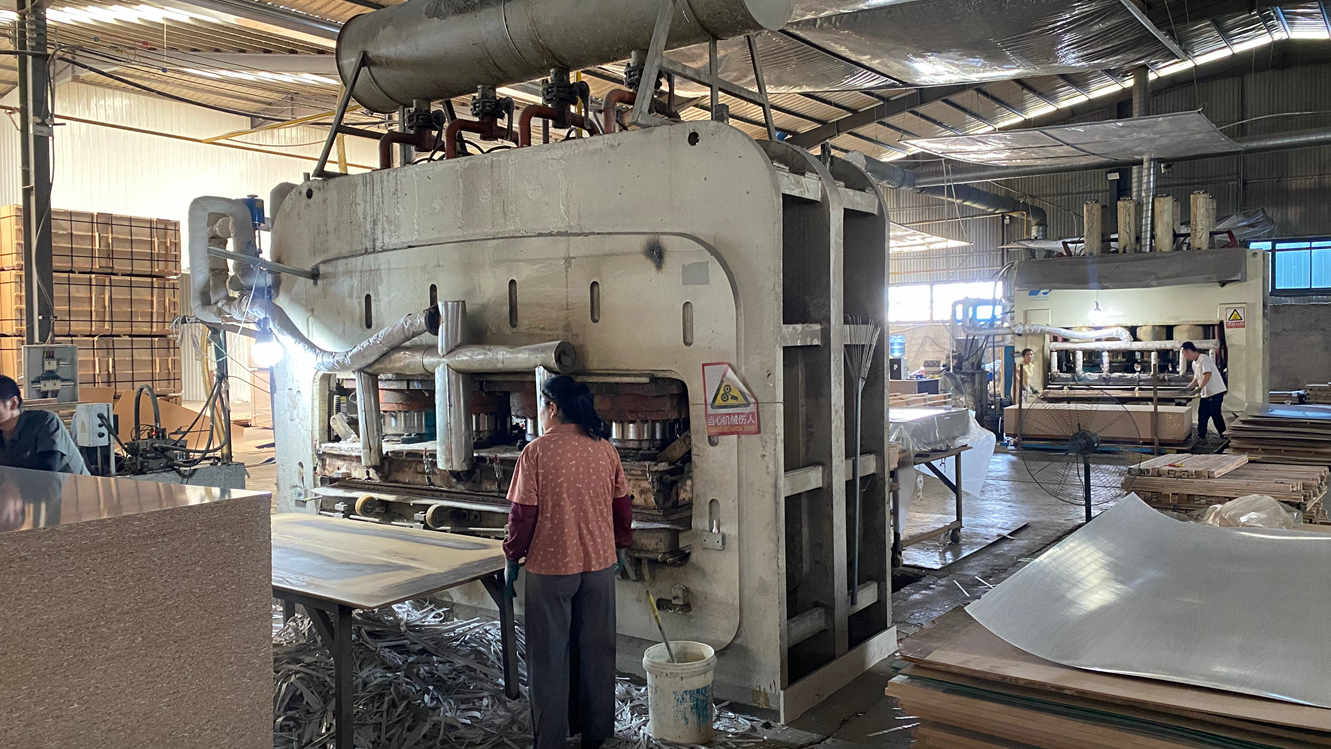
For Yemeni buyers, these capabilities matter at the practical level: a factory that understands thickness control, surface bonding, edge quality and export packing can reduce the risk of warped panels, chipped edges and moisture damage during long sea freight. The company principle — survival by quality, development by prestige — is directly relevant to repeat import business.
Specification & Quality Checklist Before You Import
A useful quotation should confirm these four areas before price comparison. This checklist helps Yemeni buyers avoid the most common white melamine chipboard problems.
Core and thickness
Confirm particleboard, MDF or plywood; density; thickness and tolerance; and intended use. For 18mm kitchen carcases, ask for measured thickness and flatness data. For long shelves, consider a thicker board or support structure.
Surface and edge sealing
Check melamine paper weight, colour shade, gloss level, texture and scratch resistance. Edge sealing is critical in humid climates. Ask whether matching edge banding is available and how cut edges should be protected on site.
Emission and moisture grade
Specify E0, E1 or E2 according to the project and destination requirements. For coastal interiors, request moisture-resistant core where available. Remember: melamine facing is decorative; it does not make chipboard suitable for continuous water exposure.
Packing and shipping route
Confirm pallet packing, plastic wrap, steel straps, corner protectors and desiccant where needed. For Yemen, coordinate the shipping route through Aden, Hodeidah or Mukalla with your freight forwarder, and plan flat, dry inland storage before installation.
Questions Yemeni Buyers Commonly Ask
These answers reflect the practical questions raised by importers, distributors and furniture workshops when evaluating white melamine chipboard and related panel products.
Is white melamine chipboard suitable for Aden, Hodeidah and Mukalla?
Yes for dry interior furniture and fit-out, provided the board is properly specified. Coastal humidity means buyers should request a moisture-resistant core where available, sealed edges and good packing. Avoid using standard chipboard in continuously wet areas, sink bases without protection, or exposed exterior applications. For those areas, marine plywood or a waterproof panel system is more appropriate.
What is the minimum order and can I mix products in one container?
MOQ depends on the product line, typically from 50 to 500 sheets. Several products can be combined in one container after confirming specifications with the sales team. A mixed container might include white melamine board, raw MDF, H20 formwork beams, edge banding and other items. This is useful for distributors testing demand or for projects requiring multiple materials.
Should I choose chipboard, MDF or plywood for my project?
Choose chipboard for cost-effective flat cabinet parts and dry interior carcases. Choose MDF when you need smoother edges, routing, painting or a denser surface for door faces. Choose plywood for better screw-holding, structural use or moisture exposure. Many projects combine all three: chipboard carcases, MDF doors and marine plywood for wet or heavy-duty areas.
How do you control formaldehyde and product quality?
Formaldehyde grades E0, E1 and E2 are available depending on the product. The manufacturing group holds CE, ISO 9001, ISO 14001, FSC and CARB certifications, and has passed an on-site assessment by SGS. Quality checks cover thickness, flatness, bonding, surface appearance and packing. Buyers can request test reports and loading photos before shipment.
What are the payment terms, lead time and shipping terms?
T/T and L/C payments are accepted in USD, EUR or CNY. Trade terms include FOB, CFR, CIF and EXW. Lead time depends on product, quantity and production schedule; it is confirmed after specification and deposit. Orders are normally shipped through Qingdao or other northern China seaports, and buyers should coordinate the final port of discharge and inland delivery with their freight forwarder.
Can you customize white decor, size, thickness, logo and packing?
Yes. Customization can include panel size, thickness, core species, face veneer or melamine decor, glue type, logo printing and export packaging. Sample-based, design-based and full customization options are available. For white melamine chipboard, buyers should confirm shade, texture, gloss level and edge banding match before production, especially when multiple containers will be used for one project.
Request a Yemen-Specific Quotation
Send your board type, size, thickness, surface decor, quantity, destination port and target application. Our export team can recommend a practical mix of white melamine chipboard, melamine MDF, raw MDF, marine plywood and formwork products for your market.