What Antalya Buyers Should Look for in Wood Veneer Panels
Antalya is not a generic export destination. Tourism renovation cycles, coastal humidity and design-led hospitality projects make panel performance a system-level decision: substrate, veneer or decor face, adhesive, edge sealing and documentation must all match the application.
Hotel, resort and spa fit-outs
In Belek, Lara, Kemer and the city’s renovation cycle, wood veneer panels are used for reception desks, wall cladding, headboards, wardrobe fronts and door skins. Specify MR MDF or WBP plywood cores for bathrooms and spa areas, keep E1 or E0 documentation, and require edge sealing on cut panels.
Residential joinery in Konyaaltı and Kepez
Villas and apartments near the coast need stable kitchen and wardrobe surfaces. White melamine MDF is practical for interiors; genuine oak, teak or maple veneer adds value in living areas. For sink cabinets and balconies, use moisture-resistant boards and seal all exposed edges.
Contractors and formwork
Hotel construction and urban renewal need film-faced plywood and formwork beams with WBP glue. Consistent thickness and a smooth release surface reduce rework and improve the concrete finish. Black film-faced plywood is especially relevant for repeated wall and slab pours.
Retail, offices and feature walls
Designers use wood-grain, marble-look and WPC panels for fast installation. Lightweight wall panels reduce structural load and allow phased fit-outs in occupied buildings. For areas with daily cleaning, choose scratch-resistant and moisture-tolerant surfaces.
Antalya Market Trends Reshaping Panel Specification
Antalya is moving in four clear directions: faster refurbishment schedules, EU-linked documentation, climate-aware specifications and design-led surfaces. The result is not simply a demand for the cheapest board; it is a demand for predictable boards that arrive with the right paperwork and install without surprises.
Renovation speed and mixed loads
Hotels often renovate between seasons. Buyers consolidate melamine MDF, veneer plywood, film-faced plywood and WPC panels in one container to shorten the supply chain. Mixed-load flexibility matters as much as unit price.
Qualification-led procurement
CE, ISO 9001, ISO 14001, FSC and CARB are increasingly requested by international hotel groups and EU-linked project buyers. E0, E1 and E2 formaldehyde classes are matched to destination and application.
Heat, humidity and salt air
Antalya’s coastal climate makes moisture-resistant cores, WBP glue, PU or UV coating and edge sealing valuable. Standard MDF may be acceptable for dry feature walls, but bathroom vanities and balcony cabinetry need stronger protection.
Warm natural veneer and custom decors
Interior designers continue to mix natural wood veneer, matt textures, fluted WPC and stone-look panels. Custom decors, matching edge bands and consistent batch color help maintain the intended look across floors and phases.
8 Panel Products Recommended for Antalya Projects
A practical shortlist from KUDE’s export range. Use it to compare substrate, face, moisture resistance and certification fit before requesting samples or a mixed-container quotation.
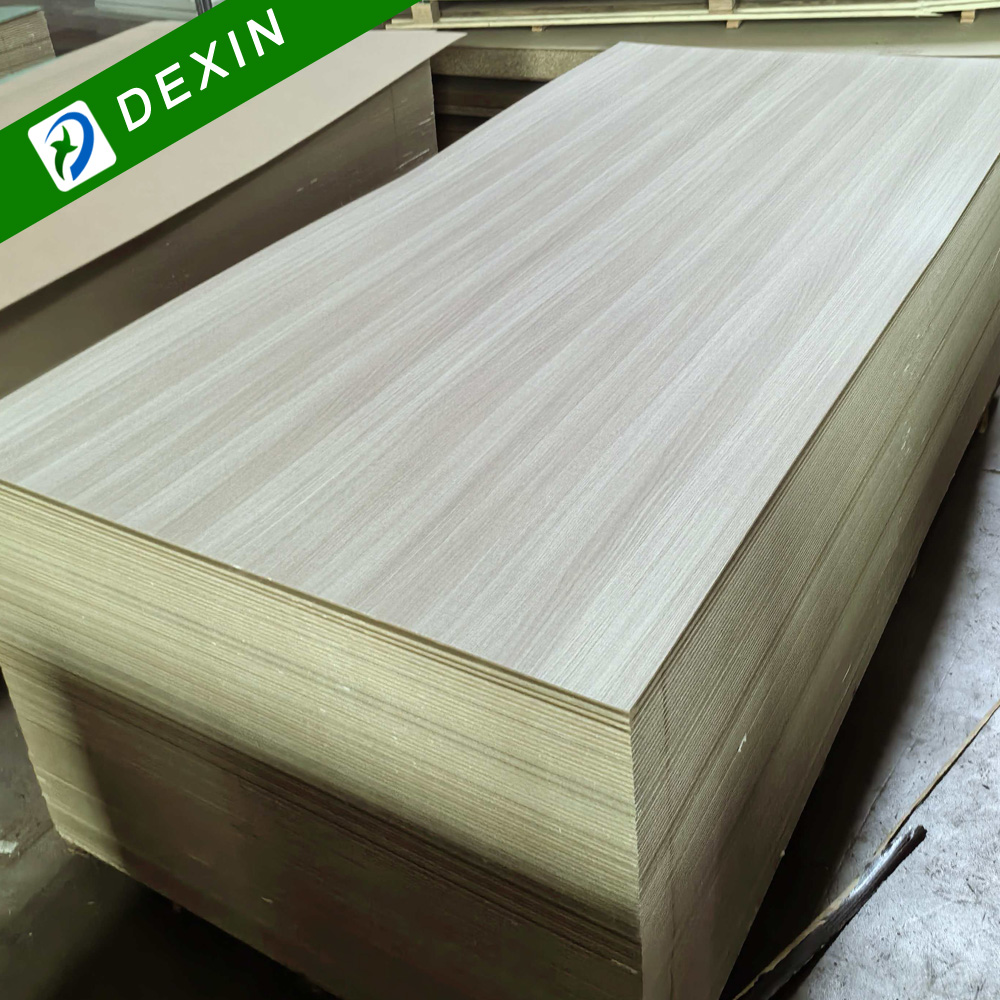
Moisture-Resistant White Melamine MDF Panels
A practical choice for hotel bathrooms, laundry areas and coastal apartment wardrobes. The white textured melamine face is easy to clean, while the moisture-resistant MDF core supports stable joinery. Available in 4 mm to 18 mm; confirm E1/E0 and edge-sealing requirements for humid months.
- 4–18 mm
- White texture
- HMR MDF
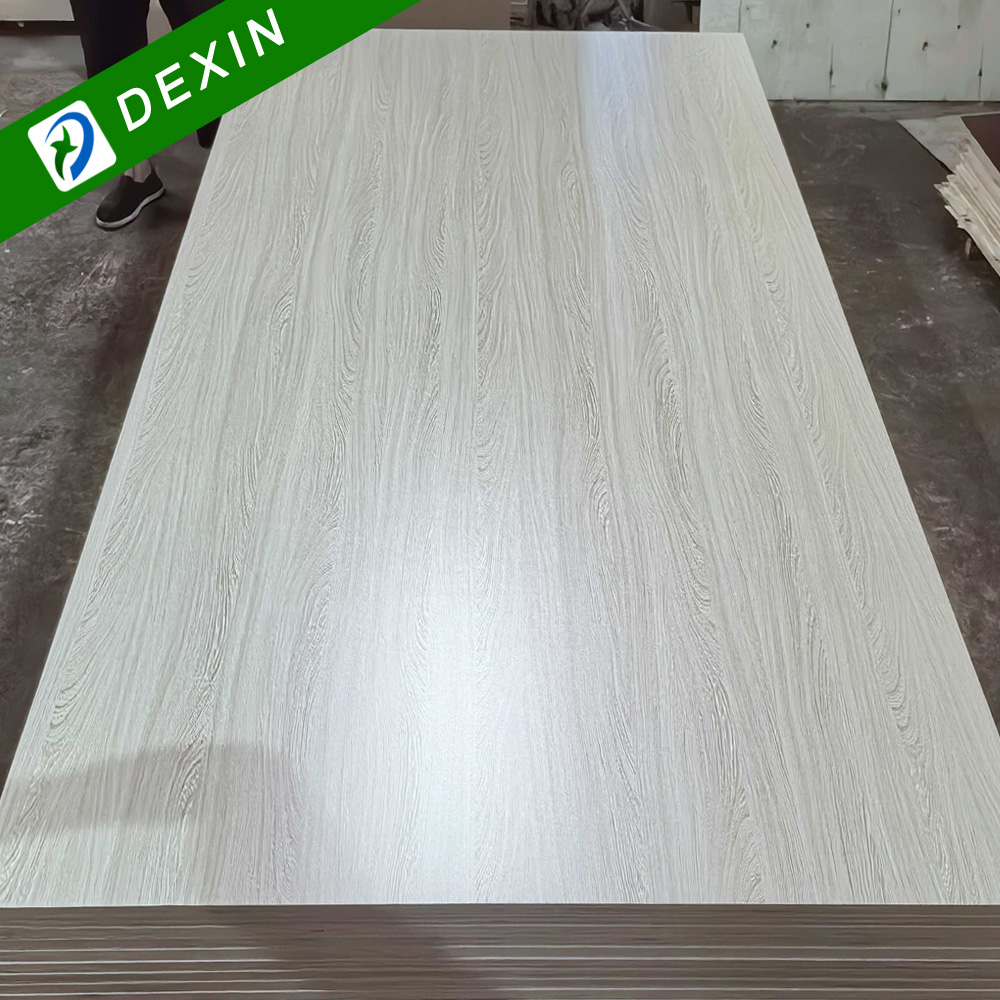
Waterproof Melamine Faced Eucalyptus Core Plywood
A waterproof melamine-faced plywood with eucalyptus core for kitchen units, bathroom vanities and marine-influenced fit-outs. The 11-ply construction improves screw-holding and dimensional stability compared with thin MDF. Choose glossy or matt white and confirm the exact glue class for your project.
- 5–18 mm
- 11-ply
- Glossy / Matt
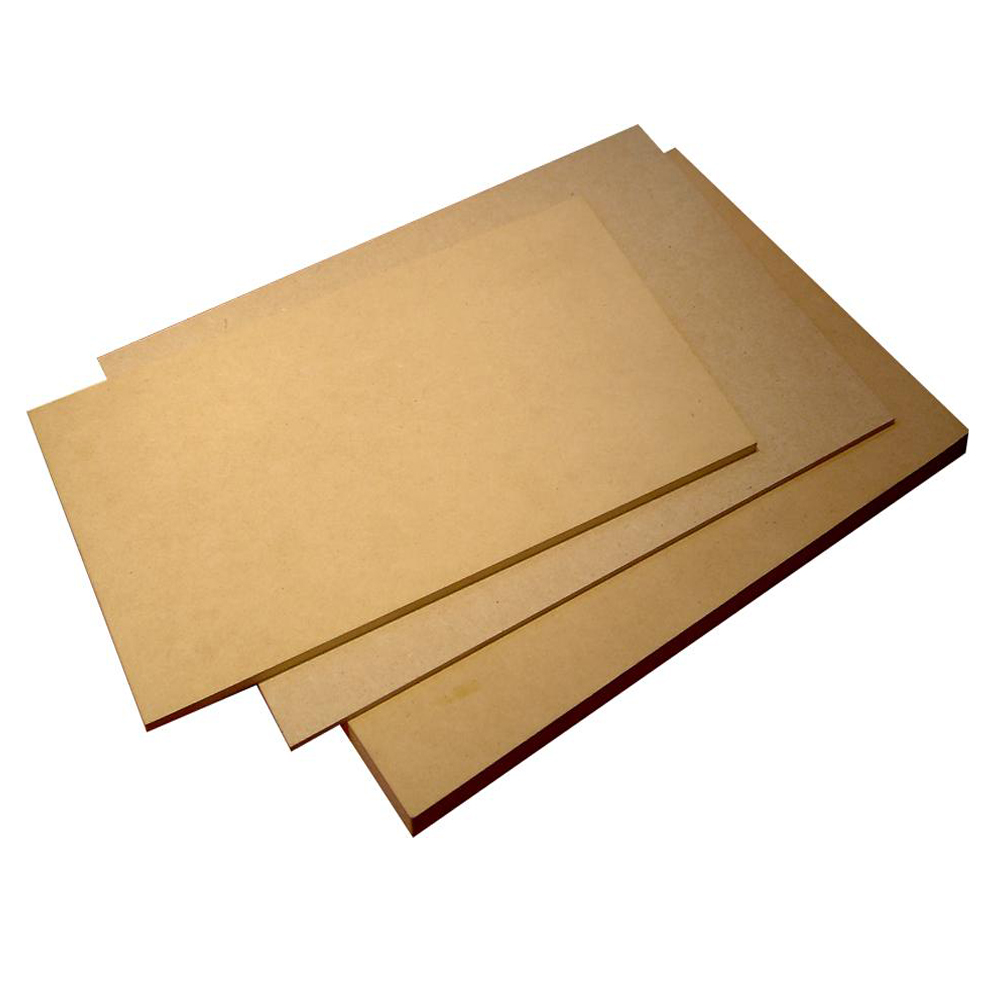
Raw Thailand MDF Board E0/E1/E2
Raw Thailand MDF is a versatile substrate for Antalya joinery workshops that apply their own laminate, veneer or paint. E0, E1 and E2 options help match different project budgets and emission specifications. Use it where the final surface and edge treatment are controlled locally.
- E0 / E1 / E2
- Raw MDF
- Joinery grade

Melamine Coated Marine Plywood 1200×2400×18 mm
An 18 mm melamine-coated marine plywood for furniture, wet areas and custom cabinetry. The 1200×2400 mm format suits local cutting lists, while custom thickness supports designers working across hotel, villa and retail fit-outs. Specify face color, edge banding and packing for your site.
- 18 mm
- 1200×2400 mm
- Custom thickness
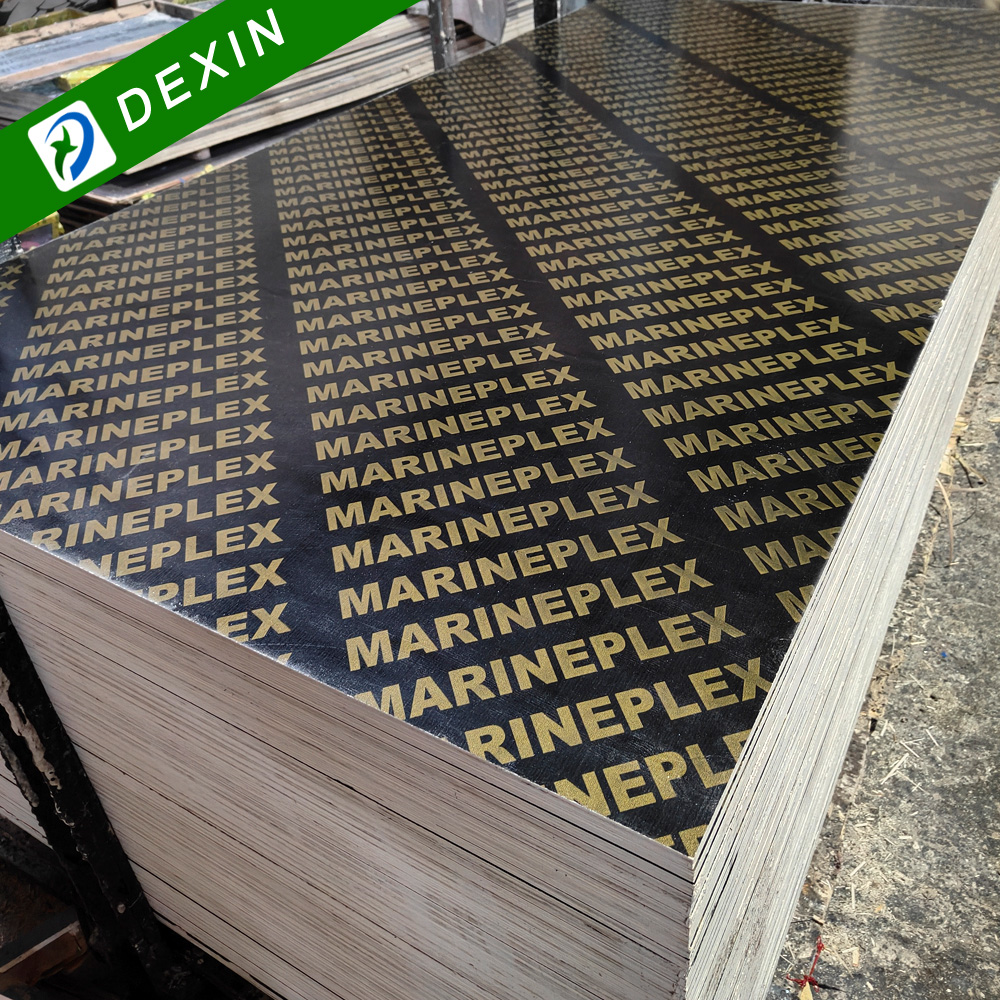
Black Film Faced Concrete Plywood 4×8 ft
Black film-faced concrete plywood for hotel construction, foundations and architectural concrete. The 4×8 ft panel range covers 9–25 mm, giving contractors a practical choice for formwork cycles. Edge sealing and proper release agents are essential in hot weather.
- 9–25 mm
- 4×8 ft
- Concrete formwork
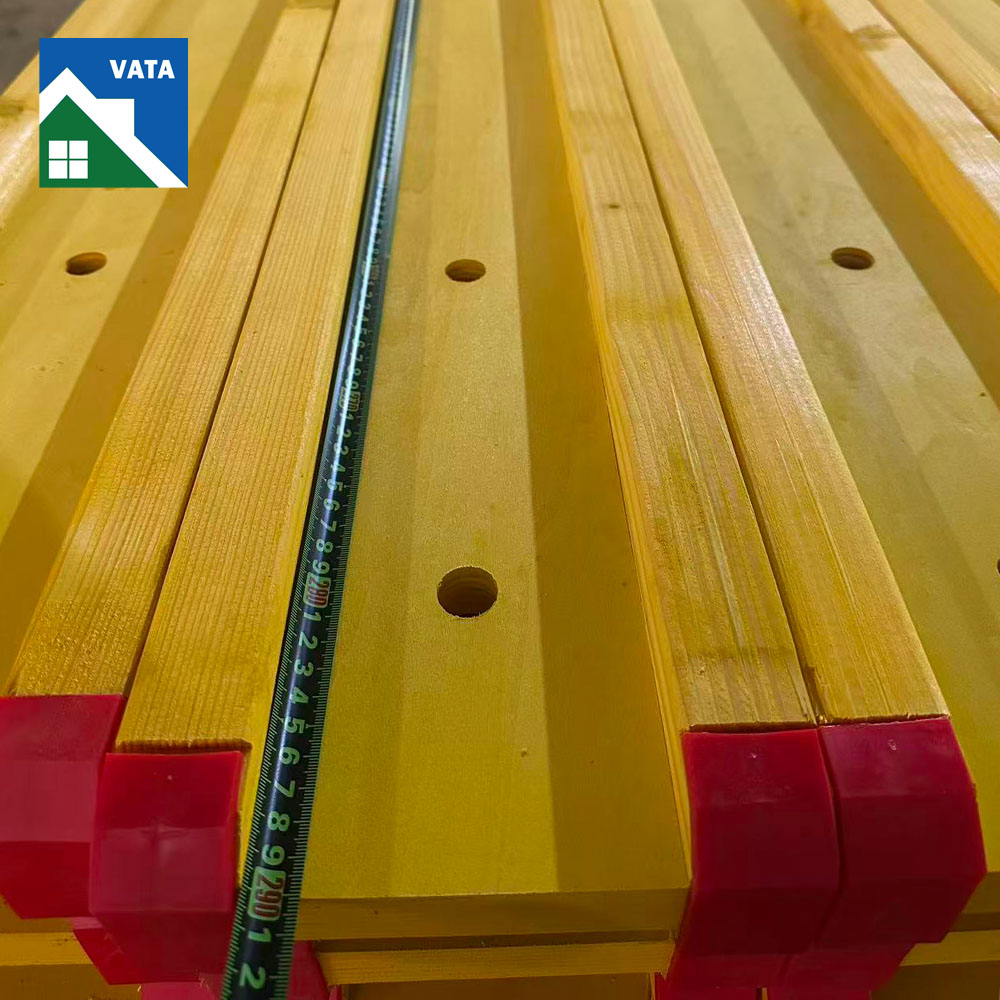
Custom Timber Formwork Beams with WBP Glue
WBP-glued timber formwork beams with pine or spruce flanges for wall formwork and exterior use. They pair with film-faced plywood for efficient slab and wall systems. Confirm beam length, flange species and load plan for your site before ordering.
- WBP glue
- Pine / Spruce
- Wall formwork
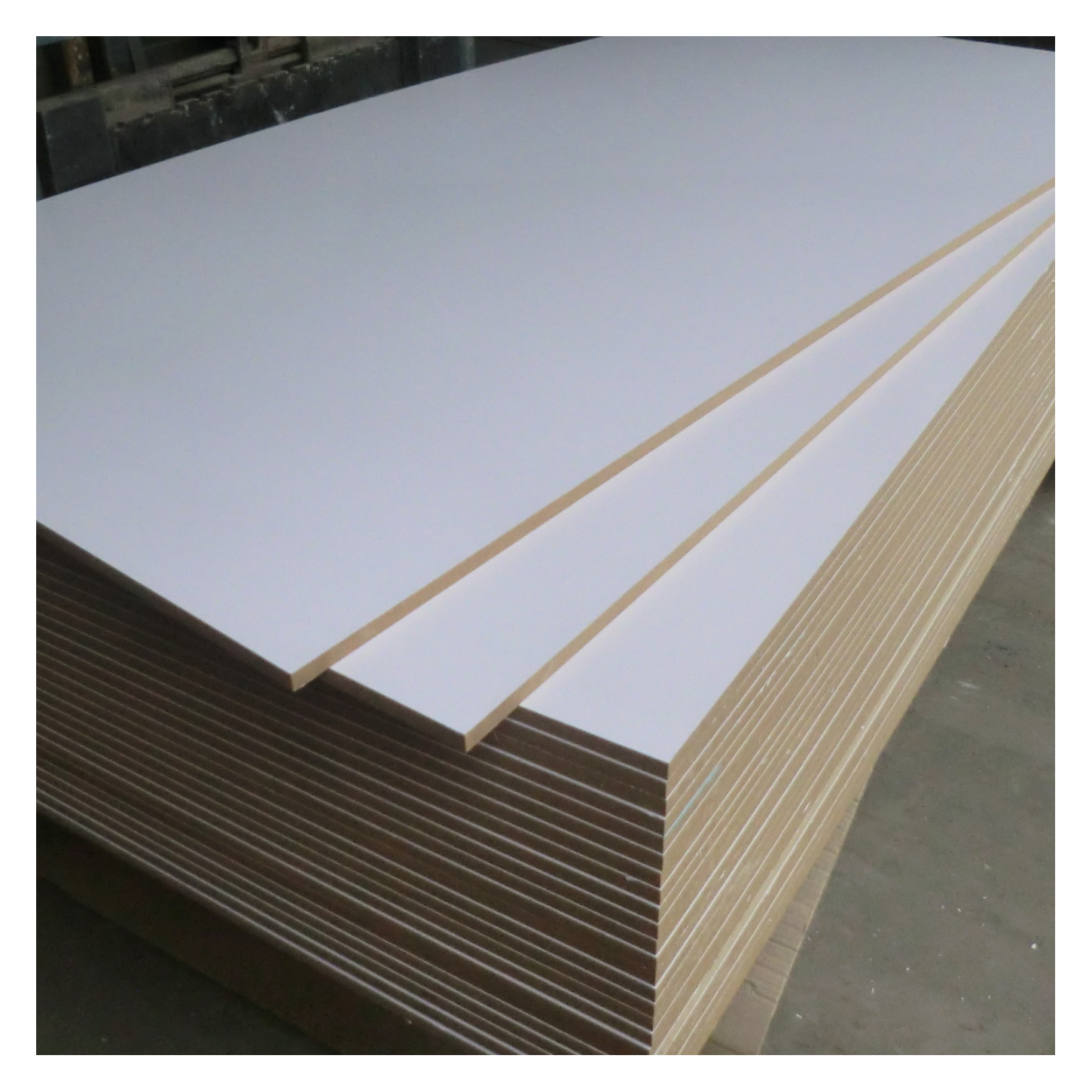
18 mm E1 Moisture-Proof Melamine MDF Board
An 18 mm E1 moisture-proof melamine MDF developed for kitchen furniture and interior cabinetry. The CE-certified board is suitable for carcasses, drawer fronts and wardrobe internals where cleanliness and moisture resistance matter. For bathroom edges, specify sealed joints.
- 18 mm
- E1 grade
- CE certified
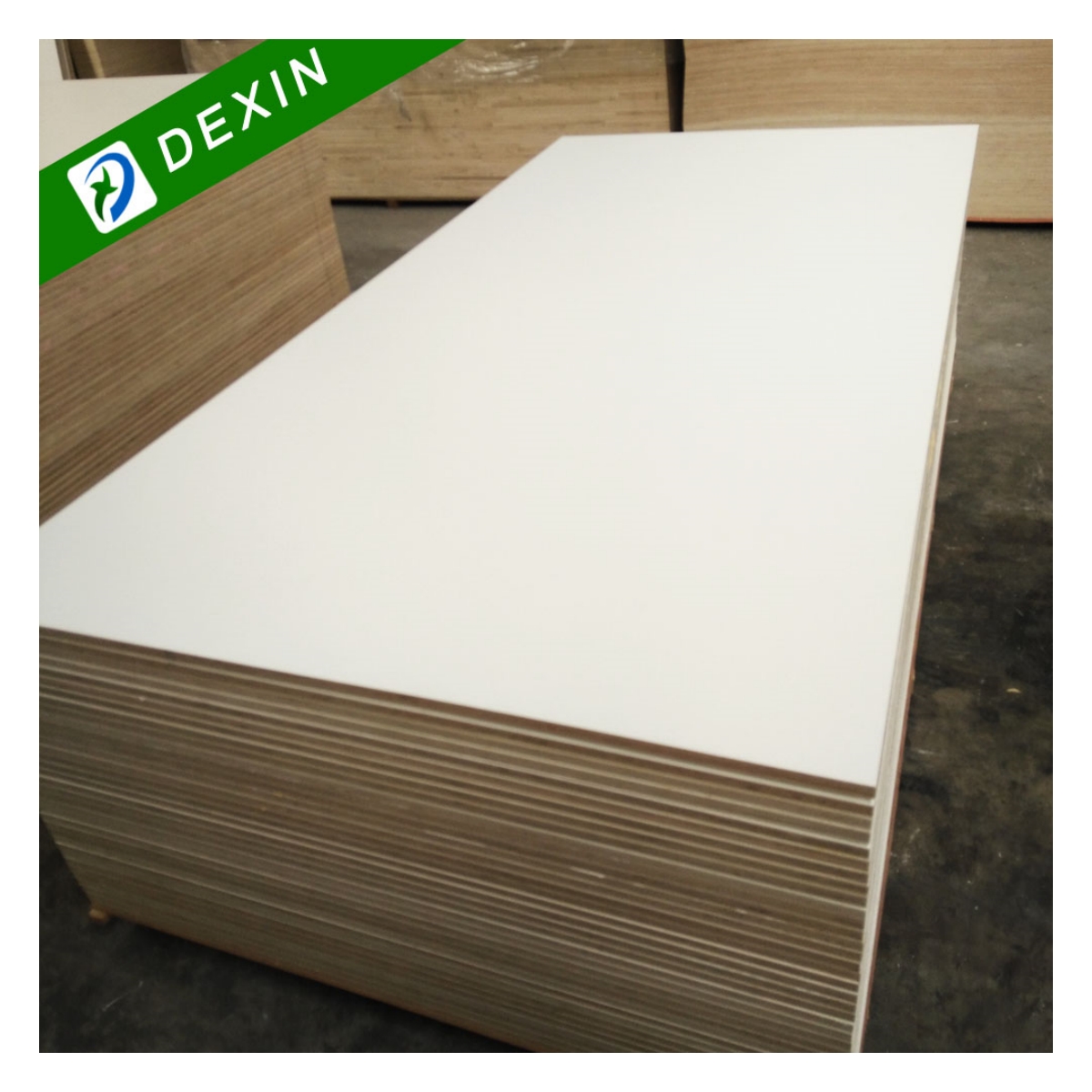
Teak, Oak & Maple Melamine Plywood Sheets
Teak, oak and maple wood-effect melamine plywood sheets in 6, 12 and 18 mm. This is a cost-controlled alternative when the project team wants a warm wood look but does not require a sliced natural veneer. It works for furniture, shelving and hotel casegoods.
- 6 / 12 / 18 mm
- Teak / Oak / Maple
- Furniture grade
What Makes a Wood Veneer Panel Suitable for Antalya?
For Antalya, the highest-value specification decision is the core, not only the decorative face. A well-made veneer panel should combine a stable substrate with a properly graded face and an adhesive system that matches the exposure.
Specification priorities from buyer enquiries
This index reflects the questions our export team receives from Mediterranean and EU-linked buyers; it is not a product test result. It shows where a project team should focus its technical review before placing a container order.
Core and face selection
Moisture-resistant MDF is appropriate for dry interior cabinetry where a smooth, uniform surface is needed. WBP plywood is better for wet areas, marine-influenced interiors and structural furniture. For visible natural veneer, face grade, grain direction, backing and batch matching matter as much as substrate thickness.
Adhesive and emission: E0 and E1 formaldehyde classes are commonly requested for interior projects, while E2 may suit budget-driven non-sensitive applications. Confirm the exact product certificate rather than relying on a general brand statement.
Finishing: PU, UV and matt lacquer systems help protect veneer in busy hotels. In coastal locations, cut edges must be sealed with matching edge banding or lacquer to prevent moisture ingress.
Why KUDE Is a Practical Panel Partner for Antalya Importers
KUDE is the export platform of a wood-based panel manufacturing group founded in 1998 in Linyi, Shandong, China’s largest wood-based panel cluster. More than 30 machine sets in 30,000 m² of workshops, 300+ workers and annual output of 60,000 m³ support reliable supply of plywood, MDF, blockboard and decorative panels.

Manufacturing depth, export discipline and documentation
The group works to the principle “survival by quality, development by prestige.” For Antalya buyers, this means a panel supply built around stable thickness tolerance, honest emission grades, seaworthy packing and documents that support customs clearance and project approval.
- 20+ years production experience
- 15 years of export experience
- On-site assessed by SGS
- CE, ISO 9001 & ISO 14001
- FSC and CARB where specified
- OEM / ODM and custom specifications
Integrated Linyi production
30+ machine sets cover peeling, gluing, hot pressing, sanding and laminating. Being inside China’s largest panel cluster supports stable access to veneer, glue and core materials.
Verified quality systems
CE, ISO 9001, ISO 14001, FSC and CARB certifications are available depending on product line. Formaldehyde grades E0, E1 and E2 can be matched to your destination market.
Flexible customization
Sample-based, design-based and full customization are offered for size, thickness, core species, face veneer or decor, glue type, logo printing and export packaging.
Export-ready logistics
FOB, CFR, CIF and EXW terms; T/T and L/C payment in USD, EUR or CNY; seaworthy pallet packing and full export documentation for 30+ countries.
 Plywood production line
 Hot press workshop
 Quality inspection
 Finished panel stock
A Practical Checklist Before Confirming an Antalya Order
The most reliable orders are defined before the quotation is finalized. Use this four-step checklist to reduce specification gaps and avoid costly replacements after installation.
Audit the application
State whether the panel is for a dry feature wall, bathroom vanity, kitchen carcass, hotel headboard, formwork or exterior-adjacent area. Exposure determines the core and glue class.
Define core, face and edge
Choose MR MDF, HMR MDF, WBP plywood or standard substrate; then confirm veneer species, decor color, thickness, sheet size and edge-sealing method.
Confirm documents and samples
Request product-specific certificates, emission grade, packing list and a physical sample for color and surface approval. Keep the approved sample as the batch reference.
Protect the container load
Specify corner protection, steel strapping, moisture barrier and mixed-load sequencing. Ask for loading photos before departure and confirm the destination port and Incoterm.
Antalya Wood Veneer Panel Procurement FAQs
These are the questions importers, joinery workshops and project buyers most often ask when comparing panel suppliers for the Antalya market.
Can KUDE supply a mixed container for an Antalya project?
Yes. MOQ depends on the product line, typically from 50 to 500 sheets, and several products can be combined in one container after specifications are confirmed. Mixed loads are useful when a project needs melamine MDF, veneer plywood, film-faced plywood and wall panels in one shipment.
Which boards are best for coastal humidity and bathroom-adjacent areas?
For bathroom vanities, spa areas and near-balcony cabinetry, use moisture-resistant MDF or WBP plywood and seal all cut edges. Standard MDF is usually reserved for dry interior furniture. The best choice depends on the expected water exposure, fixing method and finish system.
Are your panels suitable for EU-linked projects in Turkey?
The group offers CE, ISO 9001, ISO 14001, FSC and CARB certification depending on the product. E0, E1 and E2 formaldehyde grades are available. Project buyers should request product-specific test reports and confirm the exact grade before approval.
What is the minimum order quantity?
MOQ is generally 50 to 500 sheets depending on the product family. Custom sizes, decor faced boards and mixed-container orders may affect the minimum. Our export team confirms MOQ after reviewing thickness, face, quantity and destination port.
Can you customize size, thickness, veneer or decor and packaging?
Yes. We support sample-based, design-based and full customization, including size, thickness, core species, face veneer or melamine decor, glue type, logo printing and export packaging. For natural veneer, approval of grain and color sample is recommended before production.
What payment methods and trade terms are accepted?
We accept T/T and L/C in USD, EUR or CNY, and work on FOB, CFR, CIF and EXW terms. The export team will confirm the preferred port, shipping schedule and document requirements with the quotation.
How is quality controlled before shipment?
Batches pass material selection, gluing and pressing, sanding and surfacing, inspection, then packing and loading. Thickness, flatness, bonding and surface checks are performed before packing. Loading photos and pre-shipment inspection can be arranged on request.
How should we request samples and a quotation?
Send the application, panel size, thickness, core type, face or veneer preference, emission grade, estimated quantity and target port. For Antalya, orders can be routed through Qingdao to Mersin, Antalya or another agreed port under FOB, CFR or CIF terms; final routing is confirmed by our export team.
Planning a Hotel, Villa or Joinery Order for Antalya?
Share the application, thickness, core, face, emission grade, quantity and target port. KUDE’s export team will respond with a technical recommendation, packing plan and mixed-container options for your Antalya project.